


My Journey into Lens Mount Compatibility: A Personal Perspective
As an avid filmmaker, I vividly remember the first time I encountered the complexities of lens mounts. I was excited to upgrade my camera gear, but I soon realized that compatibility issues could be a real obstacle. My experience taught me the importance of understanding lens mount compatibility, which has dramatically improved my filming process and expanded my creative possibilities.
Why Lens Mount Compatibility Matters for Filmmakers
Lens mount compatibility is more than just technical jargon; it’s a crucial factor that can determine the success of a shoot. Different camera brands and models have their unique mounts, such as Canon’s RF, Sony’s E-mount, or Nikon’s Z-mount. When I started exploring different lenses, I found that knowing which mount fits my camera was essential. This knowledge allowed me to select versatile lenses and avoid costly mistakes. For example, I discovered that using adapters can open up a world of options, but they also come with potential drawbacks like reduced image quality or autofocus issues. To deepen my understanding, I turned to authoritative sources like B&H’s comprehensive guide.
How Do I Ensure Compatibility When Mixing Lenses and Cameras?
One of my key lessons was the importance of thoroughly checking compatibility before making any purchases. I always verify the lens mount type against my camera’s specifications. When I wanted to experiment with different lenses, I used reputable lens adapters, which I found invaluable for unlocking hidden opportunities. For instance, I could use old manual lenses with modern mirrorless cameras, enriching my creative palette. I also learned to read reviews and consult user forums to anticipate any issues with adapters, ensuring a smoother experience. If you’re considering expanding your lens collection, I recommend exploring detailed compatibility guides like Photograph Life’s article.
What Are the Limitations of Using Lens Adapters?
While adapters can be a game-changer, they are not without limitations. I’ve experienced some autofocus failures and slight image quality reductions when using certain adapters. These issues highlight the importance of selecting high-quality adapters and understanding their specs. Being aware of these potential pitfalls has helped me manage expectations and choose the right equipment for my projects. Have you faced similar challenges with adapters? Share your experiences in the comments below!
If you’re eager to learn more about maximizing your gear, check out Mastering Cine Lenses: The Ultimate Guide for Filmmakers in 2025 for in-depth insights.
What Are the Nuances of Lens Mount Compatibility for Professional Filmmaking?
Understanding lens mount compatibility extends beyond simple plug-and-play scenarios; it involves a nuanced grasp of how different systems interact and influence image quality. For instance, the flange distance—the space between the lens mount and the camera sensor—is a critical factor that affects the ability to adapt lenses and maintain optical performance. In professional settings, even slight mismatches can introduce vignetting or focus issues, which can compromise a shot. I’ve found that investing in high-quality adapters designed specifically for my camera and lens combinations helps mitigate these problems. Additionally, some manufacturers offer proprietary mount adapters that preserve autofocus and stabilization features, crucial for dynamic shooting environments. To deepen your understanding, exploring resources like Mastering Cine Lenses: The Ultimate Guide for Filmmakers in 2025 can provide detailed insights into system compatibility and best practices.
How Can I Optimize Lens Choices for Different Shooting Scenarios?
Choosing the right lens for a specific scene involves more than just focal length and aperture. It requires an awareness of how lens characteristics—such as distortion, bokeh, and color rendition—interact with your camera system. For example, wide-angle lenses can introduce distortion that is desirable for certain creative effects, but detrimental if not managed properly. When working on a documentary shoot, I prefer versatile zooms that allow quick framing adjustments without changing lenses, preserving continuity. Conversely, for narrative projects, prime lenses often deliver sharper images and better control over depth of field. Integrating knowledge from guides like Choosing the Best Zoom Lens for Dynamic Film Projects can help you select lenses that match your artistic vision and technical needs seamlessly.
Are There Hidden Opportunities in Lens Mount Compatibility That Experts Might Overlook?
Absolutely. One often-overlooked aspect is the potential for using lens mounts as a creative tool rather than just a technical constraint. For example, by experimenting with different mount adapters, I have been able to incorporate vintage lenses into modern digital workflows, adding unique character to my footage. This approach can unlock a treasure trove of optical qualities that are difficult to replicate with modern lenses. Moreover, understanding the intricacies of lens mount compatibility can facilitate more innovative setups, such as multi-camera rigs where different systems are synchronized via compatible mounts. For filmmakers willing to explore beyond conventional boundaries, mastering lens mount compatibility can transform limitations into opportunities. If you’re curious about expanding your knowledge, I recommend reviewing Understanding Lens Mount Compatibility to Enhance Your Filming Experience for an in-depth analysis.
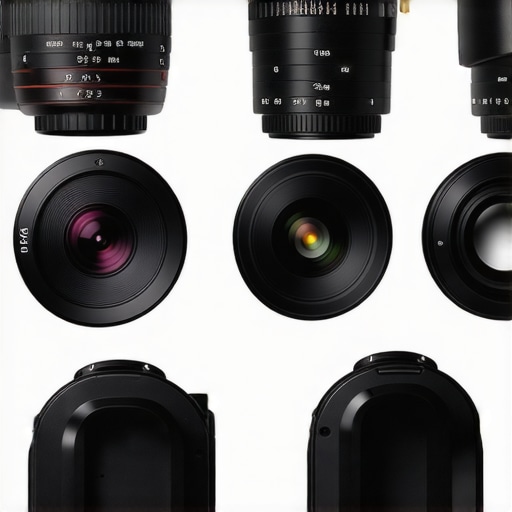
Image illustrating various lens mounts and adapters stacked for comparison, highlighting compatibility differences and creative possibilities.
Beyond the Basics: Navigating the Subtleties of Lens Mount Compatibility
As I delved deeper into the world of lens mounts, I realized that the devil is truly in the details. For example, understanding the flange distance intricacies isn’t just a technical tidbit; it can make or break your ability to adapt a vintage lens onto a modern camera. My experience with modifying adapters to suit specific needs taught me that sometimes, a small tweak or a custom solution can unlock creative avenues otherwise blocked by rigid compatibility rules. This approach requires patience and a keen eye for detail, but it pays off when you finally get that perfect shot with a vintage lens that adds character to your footage.
How Do Different Camera Systems Influence Creative Decisions?
Each camera system I’ve worked with—be it Sony, Canon, or Nikon—has its own personality, and that influences my lens choices deeply. For instance, Sony’s E-mount’s flange distance and wide compatibility make it a playground for experimenting with adapters and vintage lenses, opening up visual styles I wouldn’t achieve otherwise. Meanwhile, Canon’s RF mount’s shorter flange distance offers opportunities for innovative lens designs and faster autofocus, which I find invaluable for dynamic shoots. These nuances guide my creative decisions; I don’t just pick a lens based on focal length but also consider how the system’s characteristics can enhance or constrain my artistic vision. To explore these subtleties further, I often consult in-depth resources like Mastering Cine Lenses: The Ultimate Guide for Filmmakers in 2025.
What Are the Ethical and Practical Considerations When Modifying or Using Vintage Lenses?
Venturing into vintage lenses and adapters isn’t just about technical compatibility; it also raises ethical questions about preserving original equipment and respecting intellectual property. I’ve found that restoring and maintaining vintage lenses can be rewarding, but it requires a careful balance of DIY skills and respect for the equipment’s history. Practical considerations include ensuring the lens’s optical elements are in good condition and that modifications don’t cause damage. Sometimes, the allure of unique optical qualities outweighs the risks, but I always weigh the potential for damage or depreciation against the creative benefits. Sharing my experiences in forums and with fellow filmmakers has helped me develop a responsible approach—embracing innovation while respecting the craft’s history. If you’re interested in exploring vintage lenses and modifications, check out Lens Adapter Tips: Unlocking Hidden Opportunities for Cine-Users for practical advice.
How Can I Cultivate an Intuitive Understanding of My System’s Compatibility?
Over time, I’ve learned that experience is the best teacher when it comes to mastering compatibility. I keep detailed notes on each lens and adapter I use, including any quirks or issues I encounter, which helps me predict potential problems before they arise. Also, experimenting hands-on—trying different combinations and observing the results—has deepened my intuitive grasp of what works and what doesn’t. I’ve found that investing in high-quality adapters designed specifically for my camera system minimizes surprises and maximizes creative freedom. This experiential knowledge enables me to troubleshoot quickly and make informed decisions on the fly, especially during high-pressure shoots. For those looking to hone their skills, I recommend exploring comprehensive guides like Understanding Lens Mount Compatibility to Enhance Your Filming Experience.
Final Reflections: Embracing the Creative Potential of Compatibility
Ultimately, my journey with lens mount compatibility has been about more than just technical proficiency; it’s been about expanding my creative horizon. Every limitation or challenge has pushed me to think more innovatively, whether that’s designing a custom adapter or experimenting with vintage optics. The more I understand the nuances of compatibility, the more I see opportunities rather than obstacles. I encourage fellow filmmakers and enthusiasts to approach this aspect of their craft with curiosity and patience, viewing each challenge as a chance to learn and grow. If you’ve had similar experiences, I’d love to hear your stories—share your insights in the comments below or explore more about this fascinating topic through Choosing the Best Zoom Lens for Dynamic Film Projects.
Mastering the Art of Lens Adaptation for Unconventional Shooting Scenarios
As my experience with lens mount compatibility deepened, I encountered a fascinating challenge: adapting vintage lenses for high-definition digital cinema. This process not only involved technical precision but also a creative vision to harness the unique optical qualities of older glass. I found that meticulous focus calibration and custom-built adapters could transform a vintage lens into a valuable asset on a modern set. For instance, I experimented with helicoid focus mechanisms to fine-tune focus planes, ensuring sharpness even at wide apertures. This journey led me to explore advanced resources like Mastering Cine Lenses: The Ultimate Guide for Filmmakers in 2025, which provided invaluable insights into system compatibility and optical performance enhancements.
How Do System Variations Influence Creative Flexibility in Lens Selection?
The subtle differences between camera systems—such as Sony’s E-mount’s shorter flange distance versus Canon’s RF mount—have a profound impact on my creative workflow. I learned that Sony’s system allows for greater experimentation with vintage lenses and third-party adapters, making it ideal for exploratory projects. Conversely, Canon’s RF mount’s proprietary design often ensures faster autofocus and better integration with high-end cinema lenses, which is crucial for fast-paced shoots. These nuances influence not only technical choices but also my artistic approach, pushing me to tailor my lens selection to the unique demands of each project. For a comprehensive understanding of these subtleties, I revisit Mastering Cine Lenses regularly to refine my system knowledge.
What Advanced Techniques Can Maximize Compatibility Without Compromising Image Quality?
One technique I’ve adopted is the use of high-quality, purpose-built adapters with integrated optical elements to minimize image degradation. For example, employing active adapters equipped with electronic contacts ensures autofocus and aperture control remain intact when using vintage lenses. Additionally, I often perform optical testing and calibration to identify and compensate for vignetting or color shifts introduced by adapters. This meticulous process has allowed me to push the boundaries of compatibility, expanding my creative toolkit. I also recommend exploring dedicated resources like Choosing the Best Zoom Lens for Dynamic Film Projects to optimize lens choices across diverse shooting scenarios.
Can Compatibility Strategies Unlock Artistic Dimensions in Cinematography?
Absolutely. Viewing compatibility as a creative constraint rather than a limitation opens new artistic avenues. For instance, by intentionally selecting vintage lenses with distinctive flare and aberrations, I add a layer of visual storytelling that modern lenses often lack. This approach has enabled me to craft a signature look that resonates emotionally with viewers. Moreover, understanding the intricacies of flange distance and mount variations empowered me to engineer hybrid systems—integrating elements from different manufacturers—resulting in bespoke optical setups. These innovative configurations have given my work a distinctive edge, illustrating that mastering compatibility is fundamentally about expanding artistic horizons. To delve deeper into these possibilities, I recommend exploring Understanding Lens Mount Compatibility.
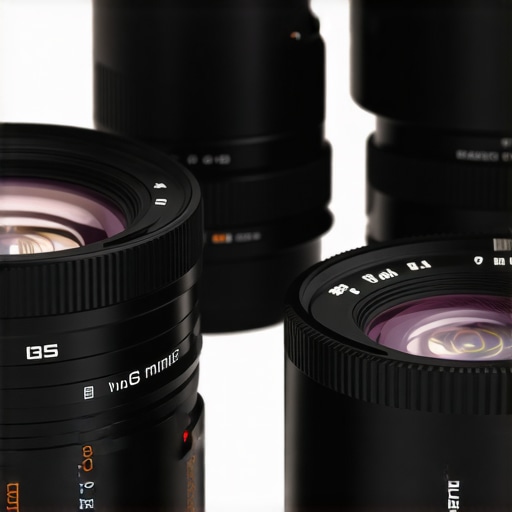
Image depicting a custom-built camera rig utilizing vintage lenses with modern adapters, highlighting creative adaptation techniques.
What Role Does System Compatibility Play in Long-Term Creative Sustainability?
From my perspective, system compatibility is crucial for building a sustainable, adaptable workflow. By investing in versatile adapters and understanding the long-term implications of my choices, I can future-proof my gear collection. For example, choosing mounts with broad compatibility ensures I can incorporate emerging lens technologies or legacy optics without significant overhaul. This strategic approach aligns with my goal of maintaining a flexible creative practice, capable of evolving with technological advancements. I often consult authoritative guides like Mastering Cine Lenses to inform my investment decisions, ensuring that my system remains a fertile ground for artistic experimentation over time.
How Do I Cultivate an Intuitive Sense for Compatibility Challenges During Rapid Productions?
Experience, combined with systematic documentation, has been my most effective tool. I keep a detailed log of each lens and adapter combination, noting specific quirks such as focus shift or color inconsistencies. This record allows me to troubleshoot quickly during high-pressure situations, where instinct and knowledge must converge seamlessly. Additionally, hands-on experimentation—testing new combinations in controlled environments—helps me develop a keen intuitive sense for potential issues before they impact critical shoots. I also advise engaging with a community of experienced filmmakers through forums and workshops, which accelerates learning and problem-solving. For those looking to sharpen this skill, I suggest exploring comprehensive guides like Understanding Lens Mount Compatibility to deepen your practical insights.
Final Thoughts: Embracing the Artistic Potential Embedded in Compatibility Mastery
My ongoing exploration of lens mount compatibility has revealed that mastery extends beyond technical proficiency; it’s about unlocking creative potential. Each challenge has prompted me to experiment further, whether through innovative adapters or vintage optics that tell a unique visual story. Seeing limitations as opportunities has transformed my approach to cinematography, inspiring a mindset of continuous innovation. I invite fellow filmmakers to embrace this journey with curiosity and patience, discovering how system compatibility can serve as a foundation for artistic expression. If you’re eager to share your stories or seek further insights, I encourage you to engage with the community and explore resources like Choosing the Best Zoom Lens.
Things I Wish I Knew Earlier (or You Might Find Surprising)
The Flange Distance Revelation
Early in my journey, I underestimated the importance of flange distance, which is crucial when adapting vintage lenses. Discovering how this tiny measurement could make or break compatibility was a game-changer, saving me from costly mistakes later on.
Adapters Are Not Created Equal
Initially, I thought all adapters did the same job, but I quickly learned that quality varies widely. Investing in high-quality, well-designed adapters has significantly improved my results, especially for autofocus and image quality.
The Hidden Power of Manual Lenses
Using manual lenses with modern cameras initially felt limiting, but I found it opened up a world of creative control. Embracing manual focus taught me patience and precision, elevating my filmmaking skills.
Compatibility Isn’t Just Technical—It’s Artistic
I realized that choosing lenses and mounts is as much about storytelling as it is about specs. Vintage lenses with unique optical quirks added character to my footage that modern lenses often lack.
Long-Term Investment Pays Off
Building a system with versatile compatibility has been a smart financial choice. It allows me to upgrade components gradually without being locked into a single brand or system, fostering ongoing creative growth.
Resources I’ve Come to Trust Over Time
- BH Photo Video’s Guide to Lens Mounts: This comprehensive resource helped me understand the nuances of different systems and compatibility issues. I recommend it to anyone starting out.
- Photography Life’s Article on Lens Mounts: A detailed yet accessible explanation that deepened my technical knowledge and practical understanding.
- Mastering Cine Lenses: An authoritative source that explores advanced compatibility strategies and professional workflows. It’s been invaluable for my professional projects.
Parting Thoughts from My Perspective
Exploring lens mount compatibility has truly broadened my creative horizons. It’s not just about technical specs—it’s about unlocking new visual styles and crafting a signature look. My biggest takeaway is to approach compatibility as an opportunity for experimentation rather than a barrier. Whether you’re a hobbyist or a professional, understanding these nuances can elevate your work and inspire innovation. If this resonated with you, I’d love to hear your experiences or tips—feel free to share in the comments or explore more about this fascinating topic through resources like Choosing the Best Zoom Lens for Dynamic Film Projects.