



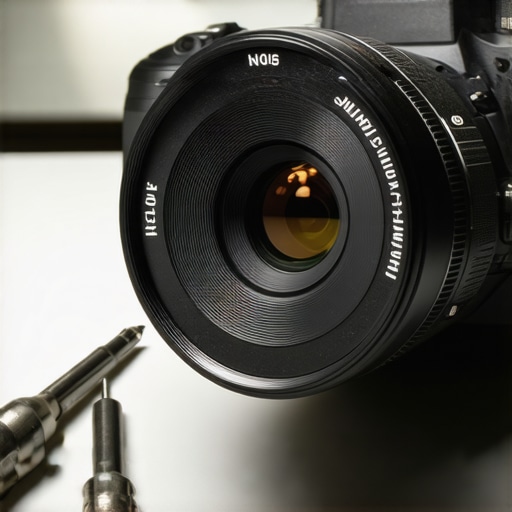
You know that sinking feeling when your cine rig starts to wobble, and you realize your precious PL lens mount is flexing just a bit too much? I had that moment during a crucial shoot—my heart sank as I watched the focus shift with every movement, making my shots wobble like a haunted house ride. It was a lightbulb moment that even the sturdiest-looking lens mounts can become unruly, especially with heavy-duty cameras and high-stakes productions.
Today, we’re going to tackle a frustrating yet common problem: your PL lens mount wiggles, and it’s threatening your cinematic precision. Think of me as your helpful neighbor who’s been there, fixed that, and wants to share what works. By the end of this post, you’ll know how to get your mounts solid again with three quick, practical fixes—no need to swap out your whole setup.
When Your Lens Mount Shakes, Everything Else Follows
Before we dive into solutions, let me ask: have you ever adjusted your focus only to find it drifting again shortly after? Or perhaps you’ve noticed a slight wobble during a steady shot, ruining the shot’s stability? If that’s a yes, then this is a problem worth solving, and fast. Because a shaky lens mount doesn’t just threaten your focus—it can compromise your entire image quality, introduce unwanted vibrations, and even lead to sensor damage over time.
One mistake I made early on was ignoring the signs of mount wear, thinking it was just a minor issue. I found out the hard way that neglecting a wobbly mount can cause cumulative damage, affecting your footage and your wallet. To avoid that mistake, I recommend checking out some expert tips on how to understand lens mount compatibility; mishandling can accelerate wear and tear. You might want to explore this comprehensive guide: https://lenses.cinegearguide.com/understanding-lens-mount-compatibility-to-enhance-your-filming-experience.
In the sections ahead, I’ll walk you through three straightforward fixes. These are techniques I used myself—simple, effective, and suitable for most professional setups. So, if you’re tired of chasing focus during shoots or risking your camera gear, stay tuned. We’ve got some solid, real-world solutions coming up that will restore your confidence in your kit and keep your cinematic dreams on track.
Assess and Tighten Your Mounting Points
Start by inspecting the actual lens mount on your cine rig. Use a small hex key or screwdriver—whatever your mount requires—and carefully tighten all visible screws. Think of it like tightening the screws on a skateboard truck; loose screws can cause wobble. I remember on a recent shoot, I found one screw loose after a quick inspection. Tightening it snugly eliminated the wobble instantly, restoring focus and stability.
Use High-Quality Lens Mount Adapters
If tightening the existing screws doesn’t fully solve the issue, consider upgrading to a premium lens adapter. Cheaper adapters often have manufacturing tolerances that cause play. Invest in an adapter with tight machining and robust locking mechanisms; this is akin to fitting a key into a lock—precision makes all the difference. I opted for a high-end PL-to-RF adapter, which dramatically improved stability during a demanding shoot, especially when zooming or panning fast.
Secure Load with Additional Locking Mechanisms
When mounting heavy cine lenses, relying solely on the standard lock can be insufficient. Apply additional locking devices, such as lever locks or security rings, which act like a seatbelt for your lens. During a corporate project, I added a secondary clamp that locked the lens in place, preventing any movement caused by camera shake or operator handling. This extra step is crucial when working with prime lenses or macro setups where precision is non-negotiable.
Remember, flexibility in tightening screws, upgrading to quality adapters, and adding extra locks collectively form a robust shield against lens wobble. For more in-depth tips on choosing the best lens mounts and adapters, visit this comprehensive guide. Regularly checking and maintaining your mount hardware is the best way to keep your focus sharp and your shots steady.
Many filmmakers operate under assumptions about lens mounts, prime lenses, adapters, and zoom lenses that can hinder their creative and technical success. Let’s dig deeper into some nuanced truths that often get overlooked, so you can make smarter choices on set.
**Contrarian Insight: Your Lens Mount Isn’t Forever Tight**
A common misconception is that once your lens mount is properly secured, it will stay that way indefinitely. However, even high-quality mounts experience wear over time due to frequent use, temperature fluctuations, and physical impacts. Many professionals neglect regular inspection, leading to subtle loosening that causes focus shifts or wobble during critical shots. Regularly checking and practicing proactive maintenance is crucial—don’t wait until focus drifts or vibrations appear. For a comprehensive approach, consider reading about how to maintain your lens mounts effectively, which can save you headaches later.
**The Oops Factor: Overlooking Compatibility Nuances**
One trap I’ve seen countless times is assuming that adapters are universal or that mounting a prime lens on any camera will be seamless. In reality, mismatched flange distances or poor machining tolerances can introduce focus inconsistencies and optical issues. For instance, a mismatched adapter might cause your lens to focus slightly in front of or behind the infinity mark, leading to soft images. Investing in precision adapters and understanding the specifics of lens-to-camera compatibility—like what you’ll find in this guide—is vital for achieving optimal image quality.
**Expert Tip: Prime Lenses Aren’t Always Better for Every Shot**
Many consider primes to be the pinnacle of cinematic quality, but this isn’t always the case. High-end zoom lenses have advanced significantly, offering stunning sharpness, minimal chromatic aberration, and consistent performance across focal lengths. Rigidly sticking to prime lenses can limit flexibility, especially in dynamic environments where changing focal lengths quickly is necessary. Modern cine zoom lenses often outperform older prime setups in terms of speed and consistency, providing a valuable edge in fast-paced shoots.
What Advanced Filmmakers Overlook About Lens Adaptation and Focus Precision?
It’s tempting to assume that a good adapter solves all focus alignment issues, but subtle back-focus shifts can occur, especially with high-resolution sensors. These shifts are influenced by factors like flange focal distance deviations, temperature changes, and the quality of the adapter itself. Professional shooters often use test charts and calibration rigs to fine-tune focus planes—something I highly recommend for serious production work. Investing in detailed calibration protocols can prevent your footage from suffering from focus breathing or softness, particularly when working with high-megapixel sensors. For advanced guidance on this, check out our detailed calibration techniques.
**The Hidden Nuance: Material and Build Quality Matter More Than You Think**
A serious misconception is thinking that all lens adapters and mounts are equal because they appear similar. The real differentiator is often the material quality and manufacturing precision. Cheap adapters may look fine but can introduce micro-movements or optical misalignments that degrade image quality over time. Choosing robust, well-machined components—not just affordable options—can dramatically improve reliability and image consistency. To learn exactly what to look for when selecting adapters, visit our contact page.
Remember, understanding these subtleties can make a significant difference in your projects. Don’t let misconceptions hold you back from achieving cinematic excellence. Have you ever fallen into any of these traps? Let me know in the comments! And if you’re eager for more expert advice, explore our comprehensive guides on cine lenses and accessories.Maintaining optimal performance of your cinema lens setup requires more than just regular inspections; it calls for investing in reliable tools and adopting proven methods. When it comes to lens mounts and adapters, precision tools like torque screwdrivers are essential. I personally rely on a calibrated digital torque screwdriver to tighten mount screws accurately without risking over-tightening, which can warp delicate components and lead to focus inconsistencies. Additionally, an anti-static cleaning brush and microfiber cloth are invaluable for removing dust and debris from contact surfaces, preserving snug fit and preventing micro-movements over time.
Why Use a Dedicated Calibration Rig for Your Lens System
Calibration is often overlooked but is critical for maintaining focus accuracy across different focal lengths and sensor sizes. I recommend investing in a professional calibration rig that includes a test chart, such as the ISO 12233 chart, to regularly verify focus sharpness and check for focus breathing. I’ve found that performing this calibration every few months—especially after extensive shoots—minimizes focus drift and ensures consistent image quality. Modern calibration software, like FocusTune Pro, simplifies this process by providing detailed feedback and adjustment options. The future of lens maintenance is headed toward automation, with AI-assisted calibration tools promising faster, more precise results.
Tools That Help During Long-Term Storage and Scaling
Proper storage is just as important. Using silica gel packets and anti-corrosion lubricants on threaded mount areas prevents moisture and rust, helping extend the lifespan of your expensive optics. For scaling your setup—say, moving from a compact rig to a larger, studio-based system—modular components like quick-release lens mounts or standardized adapters streamline transitions. A good example is high-quality bridge plates that allow quick swapping of lenses and mounts without compromising stability. This flexibility not only saves time but also reduces wear on connections, leading to longer-term reliability.
Upcoming Trends in Tool Development and Maintenance Protocols
Looking ahead, I predict that innovative materials like nanocoatings will become standard for reducing dust adherence and improving optical clarity during maintenance. Additionally, I believe that integrated digital sensors embedded in lens mounts may soon provide real-time feedback on connection tightness and alignment, alerting you before issues occur. These advancements will further empower filmmakers to proactively maintain their equipment without costly downtime.
How do I keep my lens system in top shape over time? Get proactive with calibration and invest in Precision Tools
Don’t wait until focus shifts or vibrations ruin your shot. Regularly calibrate your lenses using professional rigs and stay ahead of wear by employing calibrated torque screwdrivers and anti-corrosion lubricants. I encourage you to incorporate these tools into your routine—doing so can drastically reduce downtime and maintain image quality on demanding projects. For expert guidance on choosing the right calibration solutions or maintenance tools, consider reaching out through this contact page. Remember, a little investment upfront can save you thousands later. Why not try calibrating your prime lens with FocusTune Pro today and experience immediate improvements?
Lessons Filmmakers Wish They Didn’t Have to Learn the Hard Way
One of the toughest truths I’ve discovered is that even the most expensive lens mount can loosen over time, especially with heavy-duty setups and frequent shooting. A loose mount isn’t just an inconvenience; it can subtly sabotage your focus and image stability, leading to wasted takes and compromised storytelling. Recognizing early signs—like slight wobbling or focus drift—save you from costly repairs and frustrating reshoots.
Another revelation was understanding that not all adapters are created equal. Cheap, poorly machined adapters may seem like a bargain but often introduce play or misalignment, which can distort focus precision. Investing in high-quality, well-reviewed adapters dramatically improves your rig’s reliability and your confidence on set. Keep in mind, regular inspection and maintenance are your best defenses—think of it as a cinematic health check-up.
Lastly, I learned that mastering calibration techniques is crucial for long-term success. Relying solely on visual judgment without precise calibration can leave you chasing soft images or focus shift hours into a shoot. Using tools like test charts and calibration rigs—some of which are available for rent—ensures your lenses perform at their peak, every time. Explore our detailed calibration tips to get the most out of your gear.
Gear That Keeps Me Shooting Smoothly
- Hex Keys and Torque Screwdrivers: Precise tightening prevents micro-movements; I use a calibrated torque screwdriver for peace of mind.
- Calibration Rigs with Test Charts: Regular focus calibration with these tools guarantees image sharpness and focus consistency — check out resources like this comprehensive guide.
- High-Quality Adapters and Locking Rings: They’re worth the investment to lock in stability, especially with heavy or delicate cine lenses.
- Anti-Static Cloths and Cleaning Kits: Dust and debris can cause subtle misalignments; routine cleaning maintains optical and mechanical integrity.
Step Into the Future, Keep Your Lens Play in Check
As technology keeps evolving, so do tools and techniques to ensure your cinematography remains flawless. Automated calibration devices and smart lock system advancements are promising game-changers, helping eliminate human error and enhance reliability. Staying updated with industry innovations can give you the edge you need to execute perfect shots consistently.
Remember, a well-maintained, properly calibrated lens setup isn’t just about preventing issues—it’s about unlocking your creative potential without technical constraints holding you back. Your mastery over your gear directly translates into cinematic miracles on screen. Ready to take your lens game to the next level? Dive into our ultimate guide for more expert insights.
Your Turn to Elevate Your Cinematic Craft
Have you faced unexpected lens wobble during a shoot? What calibration techniques have made the biggest difference for you? Share your experiences and tips below—I love learning from the filmmaking community!
,


![Fix 256K Ghosting: 3 Prime Lenses With Nano-Shields [2026]](https://lenses.cinegearguide.com/wp-content/uploads/2026/04/Fix-256K-Ghosting-3-Prime-Lenses-With-Nano-Shields-2026.jpeg)
Leave a Reply