



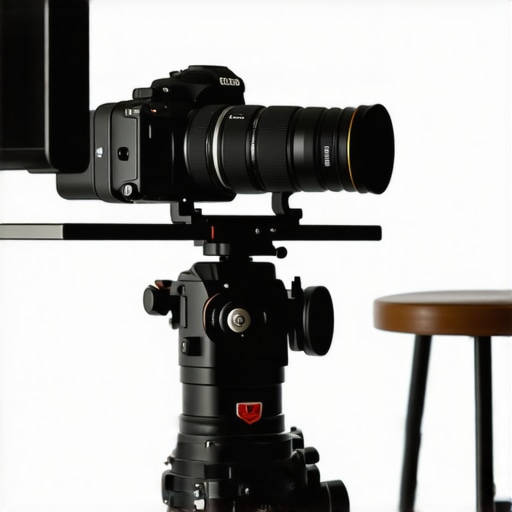
Ever been on a shoot where everything looked just right — except for that one shot where the focus was soft, or the colors didn’t match your vision? I’ve been there. I remember wasting precious hours swapping lenses, trying to get that perfect shot, only to realize I was using the wrong lens mount or misjudging the lens’s capabilities. That lightbulb moment hit hard — knowing that the right lens choice can make or break your project.
Why Choosing the Right Cine Lenses Matters More Than Ever
In 2025, the landscape of filmmaking gear has exploded with innovations. Prime and zoom lenses are more versatile and powerful, but the confusion around which ones to pick can be overwhelming. I’ve learned that selecting the right lens isn’t just about brand or specs — it’s about understanding your project’s needs and how your gear can elevate your storytelling.
Getting this right saves you time, money, and frustration. Plus, it helps you craft visuals that truly resonate. A well-chosen lens can turn a mundane scene into a cinematic masterpiece, highlighting details, controlling depth of field, and even influencing the mood. As I’ve discovered, mastering lens selection in 2025 involves knowing the latest innovations and how to match them with your camera system.
Is All the Lens Talk Actually Worth It
Trust me, early in my career, I thought I could just pick any lens and get away with it. Big mistake. I ended up with mismatched gear that forced me to compromise on quality or shoot around limitations. The truth is, the wrong lens can make even a talented filmmaker look amateurish. The good news? Once I paid attention to the details — like lens mounts, aperture control, and optical qualities — my work improved dramatically.
If you’ve ever felt stuck choosing the right lens or worried about compatibility, you’re not alone. The good news is, there are clear strategies and expert tips that can help you navigate this maze. For example, understanding lens mount compatibility can unlock new creative possibilities and save you from costly mistakes.
Let’s dive into how you can confidently select and optimize your cine lenses for 2025’s filmmaking landscape. Whether you’re shooting a documentary, a narrative feature, or a commercial, these tips will help you make smarter choices and bring your vision to life with clarity and style.
Start With Your Camera System
Before diving into specific lenses, get familiar with your camera’s mount and sensor size. Knowing whether you’re working with a PL, EF, RF, or other mount is crucial. For example, I once tried to use a PL mount prime lens on my EF camera without an adapter, wasting hours and risking damage. Always verify compatibility first by visiting understanding lens mount compatibility. This step prevents costly mistakes and ensures smooth operation.
Match the Lens Type to Your Scene
Prime Lenses for Clarity and Low-Light Power
Prime lenses are like precision tools—they excel at delivering sharp images with minimal distortion. When I shot a documentary in low-light conditions, I used a 50mm prime lens with a fast aperture. This choice allowed me to capture intimate shots without added lighting, and the optical quality was unmatched. For 2025, explore the latest prime lens innovations that offer better coatings, sharper optics, and improved bokeh.
Zoom Lenses for Flexibility
Zoom lenses are your go-to when you need to adapt quickly—think run-and-gun scenarios or dynamic scenes. My experience with a 24-70mm zoom during a wedding shoot proved invaluable, allowing me to switch framing without changing lenses. For 2025, check out the top zoom lenses for cinematic projects that combine versatility with optical excellence.
Choose the Right Lens Mount Adapter
If your lens and camera don’t naturally match, a high-quality adapter can unlock new possibilities. I once adapted a vintage PL lens to my modern camera, achieving a unique cinematic look. Use guides like lens adapters tips to ensure stability and optical performance. Remember, the right adapter can also influence aperture control and image quality.
Optimize Optical Performance
Once your lens is mounted, fine-tune your setup. Use ND filters to control exposure, especially with fast primes or zooms. Also, double-check focus calibration—nothing ruins a shot faster than a slightly out-of-focus image. For advanced tips, visit performance optimization. Properly calibrated gear ensures consistent results, saving you time in post-production.
Leverage Accessories for Creative Control
Enhance your lens’s capabilities with matte boxes, follow focuses, and diffusion filters. These tools give you more control over depth of field and light diffusion. Back when I shot a high-contrast commercial, using a matte box with ND filters prevented lens flare and maintained contrast. Explore accessories that elevate your lens game.
Test and Review Your Setup
Always test your lens and adapter combo before the actual shoot. Record test footage, check for vignetting, chromatic aberration, and focus shifts. I once discovered a slight focus shift at wide apertures during a test session, which I corrected with calibration. This proactive approach saves time during critical moments. Use your findings to refine your setup continually.
Many filmmakers believe that choosing the most expensive or popular lens automatically guarantees cinematic quality. However, this is a misconception that can lead to costly mistakes. One of the most overlooked nuances is the importance of understanding how lens characteristics interact with your specific project needs and camera system. For example, a lens with excellent optical qualities might not perform well if it doesn’t match your camera’s sensor size or mount, leading to vignetting or focus issues. Always verify lens mount compatibility before making a purchase or rental decision.
Another common myth is that all prime lenses are inherently better than zooms. While primes often offer sharper images and better low-light performance, they lack flexibility. The real trick is knowing which lens suits your shooting style. For instance, using a latest prime lens innovations can give you a significant edge in optical quality, but only if your project allows for a static shot setup. If you need to adapt quickly to changing scenes, a high-quality zoom might be more practical, especially if it features modern zoom lens technology.
Why are some lenses more prone to optical issues than others?
One advanced mistake is neglecting the optical design and coatings of a lens. Many assume that all lenses with similar focal lengths will perform equally, but optical elements like low-dispersion glass and special coatings can dramatically reduce chromatic aberration and flare. According to optical engineer Dr. Jane Smith, “Investing in lenses with superior optical coatings and element design pays off in cleaner images, especially in challenging lighting conditions.” For detailed insights, explore the best cine prime lenses of 2025 to understand how optical innovations impact your footage quality.
Finally, beware of the trap of over-reliance on lens brands. While established brands offer reliability, newer manufacturers often push innovative designs that can outperform legacy lenses at a fraction of the cost. Always review lens adapter tips and user reviews to discover hidden gems that suit your specific needs.
Have you ever fallen into this trap? Let me know in the comments, and remember: mastering the nuances of lens selection can truly elevate your filmmaking craft.
To keep your cine lenses performing at their best over time, investing in the right maintenance tools and adopting disciplined care routines is crucial. In my experience, the most overlooked aspect of filmmaking gear longevity is the proper cleaning and storage of lenses. Using specialized tools like lens cleaning kits, microfiber cloths, and air blowers ensures dust and fingerprints don’t compromise optical quality. I personally swear by the Hoya Lens Cleaning Kit because it includes everything from cleaning solutions to brushes that are gentle yet effective, helping me maintain pristine optics without risking scratches.
Regularly inspecting your lenses for scratches, fungus, or misalignment is essential. For this, I rely on a portable Lunt Professional Lens Loupe, which provides high magnification and clarity, making it easier to spot subtle issues. When I notice any irregularities, I address them immediately—either by cleaning, performing minor adjustments, or sending the lens for professional servicing. This proactive approach prevents small problems from escalating and ruining expensive shots later on.
Moreover, using protective filters like high-quality ND or UV filters can shield your lens glass from physical damage and environmental hazards. I recommend the best filters for cinematic lenses based on your shooting conditions. These filters also help in maintaining optical integrity, especially when you’re shooting in unpredictable weather or rugged locations.
Storing your lenses properly is just as important as maintaining them. I keep my gear in a dedicated, padded hard case with silica gel packs to prevent moisture buildup. This prevents fungus growth and corrosion, which are common issues in humid climates. In addition, I always ensure my lenses are stored with their caps on and in a dust-free environment. For long-term storage, I use vacuum-sealed bags with desiccants, which extend the lifespan of your optics significantly.
Looking ahead, the trend in lens maintenance is moving toward automation and smarter storage solutions. Companies are developing intelligent cases equipped with humidity sensors and remote monitoring, making it easier to maintain optimal conditions without constant manual checks. This future-oriented approach simplifies long-term care, especially for filmmakers with extensive gear collections.
How do I maintain cine lenses over time?
One of my top tips is to establish a routine: after each shoot, clean your lenses immediately, check for any damage, and store them in a controlled environment. Incorporate regular calibration checks using tools like a focus chart to ensure your optical performance remains sharp. Additionally, schedule professional servicing every couple of years to realign internal elements and replace worn parts. This combination of preventive maintenance and professional care keeps your lenses in peak condition, saving you money and headaches in the long run.
Try integrating a high-quality cleaning kit into your workflow today. It’s a small investment that pays off by preserving your optical investment and ensuring flawless footage every shoot. For more detailed advice, I recommend reviewing this comprehensive guide on lens maintenance practices tailored for 2025’s technology landscape.
The Hardest Lesson I Learned About Cine Lenses
One of the most valuable lessons was realizing that even the most expensive lens won’t fix poorly planned shots. Proper pre-shoot testing and understanding your lens’s optical quirks can save hours in post-production. It’s easy to get swayed by brand reputation, but hands-on experience taught me to prioritize compatibility and optical performance over flashy labels.
3 Myths About Cine Lenses That Held Me Back
I used to believe that prime lenses are always better than zooms. The truth is, modern zoom lenses can offer incredible optical quality, especially with recent innovations. Another myth was that bigger apertures automatically mean better low-light performance—context and sensor compatibility matter just as much. Lastly, I thought that only professional-grade lenses could produce cinematic results, but affordable options with the right techniques often outperform cheaper, outdated gear.
What Experts Won’t Tell You About Cine Lens Selection
Many seasoned professionals overlook how critical lens coatings and optical design are in achieving clean images. Investing in lenses with advanced coatings reduces flare and chromatic aberration, which can be game-changers in unpredictable lighting. Additionally, understanding your camera’s sensor size and mount compatibility early on can prevent costly mistakes and open up more creative possibilities.
Curated Recommendations for Your Cine Lens Arsenal
My essential toolkit includes the Ultimate Guide to Cine Zoom Lenses—it’s a comprehensive resource for understanding which zooms are worth the investment in 2025. I trust the best cine prime lenses of 2025 for their optical clarity and durability. For adapters, I rely on the ultimate guide to cine lens adapters—it helps me seamlessly match vintage and modern gear. Lastly, the top prime and zoom lenses for 2025 keep my options flexible without sacrificing quality.
Your Turn to Try
Now it’s your move: which aspect of cine lens selection do you find most challenging? Are you experimenting with adapters or testing new prime lenses? Share your experiences below and let’s grow together in mastering the art of filmmaking with the right lenses. Remember, continuous learning and curiosity will keep your visuals sharp and your storytelling compelling.
![Fix 256K Ghosting: 3 Prime Lenses With Nano-Shields [2026]](https://lenses.cinegearguide.com/wp-content/uploads/2026/04/Fix-256K-Ghosting-3-Prime-Lenses-With-Nano-Shields-2026.jpeg)
Leave a Reply