



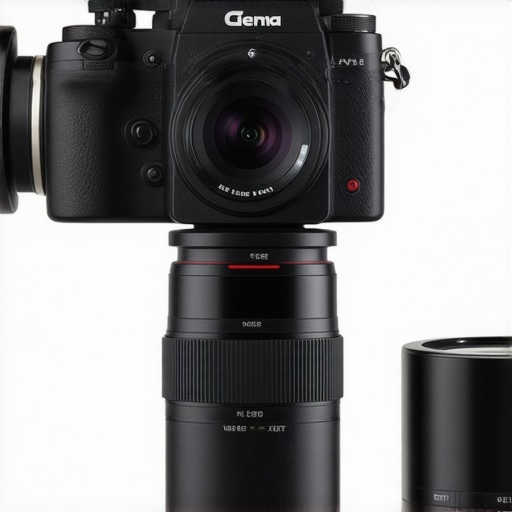
Ever had a shoot where your lens choices felt like a wild guess, leaving you frustrated and second-guessing every shot? I remember those days vividly. I spent countless hours and dollars experimenting with different lenses, only to realize I was missing out on a lot because I didn’t understand the nuances that distinguish prime from zoom lenses or the latest innovations in lens technology. That lightbulb moment hit me hard—knowing your tools isn’t just helpful; it’s essential. And trust me, in 2025, with the rapid evolution of cine lenses, it’s more crucial than ever.
Why Picking the Right Cine Lens Matters More Than Ever
Choosing the perfect lens isn’t just about getting sharp images; it’s about how your lens can influence storytelling, mood, and even efficiency on set. When I first started, I made a huge mistake: I thought all lenses were more or less the same, just with different focal lengths. That couldn’t be further from the truth. The right prime lens can give you stunning depth and clarity, while a versatile zoom might be the hero of flexible shoots. But with so many options flooding the market—each claiming to be the best—how do you make the right choice? That’s what I’ll help you figure out today.
Have You Faced This Common Lens Dilemma?
Maybe you’ve been stuck trying to decide whether to invest in a high-end prime or a zoom that promises everything in one package. Or perhaps you’re overwhelmed by the technical specs and unsure what really makes a lens cinematic. I’ve been there—making costly mistakes early in my career because I didn’t understand the importance of lens compatibility, or how to leverage new innovations like lens adapters and mount technologies. A simple misstep can cost you quality and time. Luckily, I’ve learned a lot from those errors, and I want to share insights that will help you avoid the same pitfalls. For a deeper dive into the essentials, check out this comprehensive guide.
Now, let’s get into what makes a cine lens truly cinematic and how to choose the best one for your needs in 2025. Whether you’re shooting a documentary or a high-budget feature, understanding these fundamentals will elevate your filmmaking game.
Choose the Right Lens for Your Story
Start by defining your project’s needs. Are you filming a fast-paced documentary or a carefully crafted dramatic piece? For tight shots with stunning depth, a prime lens with a wide aperture is ideal. If your scene requires flexibility across focal lengths, a zoom lens becomes your best friend. When I shot a short documentary last year, I initially relied on a kit zoom lens, but after experimenting with prime lenses, I achieved a richer, more cinematic look that elevated the storytelling. Remember, selecting the right lens is about matching the visual tone and practical requirements of your project.
Assess Your Focal Length Needs
Determine the focal lengths that suit your scenes. Wide-angle lenses (14-35mm) are perfect for establishing shots and capturing environments, while telephoto lenses (85mm and above) excel in isolating subjects and creating a compressed perspective. My experience with a 50mm prime for interviews taught me how a single lens can deliver intimacy and clarity. Use scene planning to map out your focal length choices, ensuring your equipment aligns with your storytelling goals.
Understand Lens Innovations and Compatibility
Stay updated on the latest innovations like lens coatings, autofocus capabilities, and image stabilization, which can significantly impact your shot quality. For example, I recently adopted a lens with advanced coatings that reduce flare, allowing for clearer images in challenging lighting. Compatibility matters too; mismatched mounts can cause frustration and limit your options. Check out this guide to ensure your lenses fit your camera system seamlessly. Leveraging adapters can open up new possibilities, but always test for optical quality and mechanical stability.
Leverage Prime and Zoom Lenses Smartly
While primes offer superior image quality and wider apertures, zooms provide flexibility during dynamic shoots. During a recent shoot, I used a zoom lens to adapt quickly to changing scenes, saving time and reducing gear swaps. For cinematic projects in 2025, consider investing in high-quality prime lenses for critical shots and versatile zooms for on-the-fly adjustments. Check out this comprehensive guide to get the best of both worlds. Remember, the key is understanding each lens’s strengths and deploying them strategically for maximum storytelling impact.
Optimize Lens Mounts and Adapters
Choosing the right lens mount and adapters can unlock new possibilities. For example, I used a speed booster adapter that enhanced my prime lens with a wider aperture and a wider field of view, dramatically improving low-light performance. Always verify compatibility and optical quality; a poor adapter can degrade image sharpness. Explore this resource for insights into the best mounts and adapters available in 2025. Proper setup ensures your lenses perform at their best, delivering the cinematic quality your project demands.
Test and Practice Before Shooting
Never underestimate the power of testing your lenses in real conditions. I spent a day shooting test scenes with different primes and zooms, analyzing sharpness, flare, and color rendition. This hands-on approach helped me understand each lens’s personality and how it responds to various lighting conditions. Create a shot list that includes your focal lengths and lens choices, then perform practice runs to identify any limitations or adjustments needed. This preparation saves invaluable time during your actual shoot, allowing you to focus on storytelling rather than technical troubleshooting.
Everyone seems to focus on the obvious differences when selecting cine lenses—focal lengths, aperture sizes, or brand reputation. But let’s dig deeper into a common misconception that can trip up even seasoned filmmakers: the idea that higher price always guarantees better cinematic quality. In reality, many overlook the nuanced factors that truly influence lens performance and storytelling impact. Understanding these subtleties can save you money and improve your results significantly.
One of the most persistent myths is that premium lenses are immune to optical flaws. While high-end lenses often boast superior coatings and construction, they are not foolproof. For instance, even the most expensive lenses can suffer from issues like chromatic aberration or flare if not correctly matched to your shooting conditions or if used improperly. This is where the advanced knowledge of lens coatings and design intricacies becomes crucial—something I delve into extensively in prime lens innovations.
Another trap is the assumption that all adapters are created equal. Many filmmakers buy generic adapters without considering their impact on optical quality or mechanical stability. An inferior adapter can introduce softness, vignetting, or even mechanical wobble, which compromises your shot quality. To avoid this, I recommend exploring lens adapter tips to ensure a seamless connection that preserves your lens’s integrity.
Why do some lenses perform better in specific scenarios, despite similar specs?
This is a question that trips up many filmmakers. The answer lies in the hidden nuances of lens design—such as the quality of glass elements, internal coatings, and even manufacturing tolerances. For example, two lenses with the same focal length and aperture might render colors differently or respond uniquely to backlighting. These subtle differences often go unnoticed but can make a huge difference in your final product. For an in-depth comparison, check out this guide.
Furthermore, mastering the use of lens mounts and understanding compatibility issues is essential. Mismatched mounts or poorly configured adapters can introduce optical distortions or mechanical wobble, especially when using third-party accessories. As I always say, a well-matched setup is the backbone of consistent quality—more than just the lens alone. For a comprehensive overview, see this resource.
In conclusion, the real expertise in choosing cine lenses in 2025 is about recognizing these hidden nuances and avoiding the pitfalls of oversimplified assumptions. When you understand how coatings, design, compatibility, and advanced features interact, you can make smarter choices that elevate your storytelling. Have you ever fallen into this trap? Let me know in the comments. And remember, the key to cinematic excellence is in the details.
Keeping your cine lenses and equipment in top shape is crucial for achieving consistent, cinematic results. Over the years, I’ve developed a routine that ensures my gear remains reliable, sharp, and ready to capture stunning visuals. Regular maintenance, combined with the right tools and software, can extend the lifespan of your lenses and keep your workflow smooth. In 2025, advances in lens technology mean that staying on top of maintenance is more important than ever to leverage new features and innovations.
Invest in the Right Cleaning and Care Tools
When it comes to maintaining cine lenses, I always recommend having a set of high-quality cleaning tools. A microfiber cloth is essential for wiping off dust and fingerprints without scratching the glass. I prefer using lens cleaning solutions specifically designed for cinematic optics, which often contain anti-static properties that prevent dust buildup. For internal cleaning, compressed air can remove stubborn debris from lens barrels and mounts — just be cautious not to blow debris into delicate elements.
Additionally, a lens brush with soft bristles helps reach tight corners and delicate areas, ensuring that your lenses stay spotless. I’ve also found that carrying a set of replacement lens caps and filters helps protect my investment from accidental damage during shoots or transit. A dedicated lens maintenance kit, like those provided by professional brands, can save you time and money in the long run.
Use Advanced Software to Monitor and Improve
Beyond physical maintenance, software tools are transforming how we keep our lenses performing at their best. For example, using lens calibration tools integrated with your camera’s firmware can ensure that focus and image stabilization are perfectly tuned—crucial for high-precision cinematic work. I regularly use calibration software that analyzes test footage, detects optical anomalies, and guides me through adjustments to optimize focus accuracy and color consistency.
Predictive maintenance tools are also emerging, leveraging AI to analyze shooting data and recommend when to replace or service certain components. This proactive approach can prevent unexpected failures during critical shoots. Companies like Zeiss and Cooke are pushing the envelope here, offering firmware updates that enhance lens performance and longevity—so keeping your firmware current is a vital part of maintenance.
How do I maintain my lenses over time?
To ensure your lenses stay in prime condition, I recommend establishing a regular cleaning schedule, especially after outdoor shoots or environments with high dust or humidity. Always store your lenses in a dry, padded case when not in use, and avoid touching glass elements with your fingers. Periodic professional calibration and inspection are worth the investment, particularly if you notice focus drift or image quality issues. Staying updated with the latest innovations, like those discussed in prime lens innovations, can also help you decide when it’s time for upgrades or repairs.
Finally, embrace new tools such as AI-driven maintenance alerts and firmware updates, which will likely become standard by 2025. For example, regularly checking for firmware upgrades from your lens manufacturer can unlock new features and fix existing bugs, ensuring your gear remains at peak performance. Try integrating a regular firmware check into your maintenance routine—it’s a simple step that pays off in image quality and reliability.
Maintaining your equipment isn’t just about longevity; it’s about preserving the cinematic integrity of every shot. With thoughtful care and the right tools, your lenses will continue to deliver stunning images for years to come.
Throughout my filmmaking journey, I’ve learned that choosing the right cine lenses isn’t just a technical decision—it’s a storytelling strategy. The subtle differences in lens coatings, internal design, and compatibility can dramatically impact your final image. In 2025, with the rapid technological advances, having insider knowledge can set you apart from the crowd. Let me share some of the most impactful lessons I’ve learned that can help you elevate your craft and avoid common mistakes.
The Hardest Lesson I Learned About Cine Lenses
I used to believe that spending more money on high-end lenses guaranteed cinematic perfection. Turns out, that’s not always true. I discovered that even the most expensive lenses can suffer from issues like chromatic aberration if not carefully matched to your shooting conditions. It taught me that understanding each lens’s unique personality is far more valuable than just chasing brand names. This realization helped me develop a more nuanced approach to lens selection, focusing on how coatings, glass quality, and design elements contribute to image quality.
3 Myths About Cine Lenses That Held Me Back
One myth I believed was that all zoom lenses are inherently inferior to primes. I was wrong. When used correctly, high-quality zooms can deliver stunning cinematic images and offer unmatched flexibility during shoots. Another misconception was that lens adapters always degrade quality. I learned that with the right adapters and proper testing, they can unlock new possibilities and compatibility with different systems. Lastly, I thought that only expensive lenses could handle challenging lighting conditions. That’s false—many innovative coatings and designs in 2025 now allow even affordable lenses to perform exceptionally well in tough environments.
What Experts Won’t Tell You About Choosing Cine Lenses
Many professionals overlook the importance of compatibility and internal coatings. For example, a lens with advanced anti-flare coatings can make a huge difference in bright, backlit scenes—something I learned through trial and error. Also, understanding the nuances of lens mounts and adapters can save you time and money. Using resources like this guide has helped me avoid compatibility pitfalls. These hidden details can dramatically improve your workflow and the cinematic quality of your footage.
How to Use This Knowledge to Your Advantage
By focusing on the subtleties of lens coatings, design, and compatibility, you can make smarter choices that serve your storytelling. Test your lenses thoroughly in real conditions, experiment with adapters, and stay updated on the latest innovations. For in-depth insights, check out this comprehensive guide. Remember, the key to cinematic excellence lies in understanding the details—so keep learning, testing, and refining your craft.


![Fix 256K Ghosting: 3 Prime Lenses With Nano-Shields [2026]](https://lenses.cinegearguide.com/wp-content/uploads/2026/04/Fix-256K-Ghosting-3-Prime-Lenses-With-Nano-Shields-2026.jpeg)
Leave a Reply