


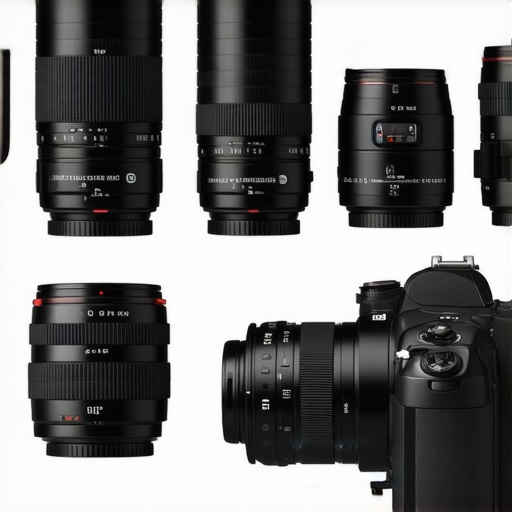
Ever had that sinking feeling when you’re about to shoot a critical scene, only to realize your lens mount isn’t compatible with your camera? I remember the first time I faced this dilemma. I was eager to capture a breathtaking sunset, only to discover my prime lens wouldn’t fit my new mirrorless camera. It was a frustrating lesson, but one that taught me the importance of choosing the right lens mount for cinematic quality. If you’ve ever struggled with lens compatibility or felt overwhelmed by the options, you’re not alone. Today, I promise to simplify this complex decision, guiding you step-by-step to ensure your gear elevates your filmmaking, not hampers it.
Why Picking the Right Lens Mount Could Make or Break Your Film
The truth is, the lens mount isn’t just a tiny connector; it’s the bridge that ensures your prime or zoom lenses perform at their best. A mismatched mount can cause issues like compromised image quality, focus problems, or even damaging your equipment. As technology advances in 2025, manufacturers are introducing new mounts and adapters—making the landscape more confusing but also more exciting. The right choice can unlock sharper images, smoother zooms, and better overall cinematic quality. Conversely, a poor match might leave you with blurry footage, focus breathing, or worse, needing costly repairs. Trust me, I’ve been there. Early in my career, I made a mistake by assuming all mounts are compatible—only to learn that compatibility is a nuanced topic. For an in-depth look at the latest innovations, check out prime lens innovations for 2025. It’s crucial to choose wisely, and that’s what we’re going to do today.
Is Your Lens Mount Choice Worth the Hype or Just Confusing Noise?
Early on, I fell into the trap of believing that a popular mount automatically suited my needs. Spoiler: it doesn’t. I once bought a top-tier lens only to find out I needed a costly adapter, which introduced focus breathing and slight softness. That mistake cost me both time and money. The good news? With the right guidance, you can avoid these pitfalls. Selecting the perfect lens mount isn’t just about brand reputation; it’s about understanding your camera system, your shooting style, and future-proofing your gear. If you’re feeling skeptical or overwhelmed, you’re in good company. But I promise, once you grasp the essentials, it becomes a game-changer. If you want to explore more about choosing the best zoom lenses or understanding lens mount compatibility, I recommend reading understanding lens mount compatibility.
Now, let’s dive into how you can make this decision confidently and enhance your cinematic projects in 2025.
Align Your Camera and Lenses Precisely
Start by identifying your camera system’s native mount. For example, if you’re using a Sony Alpha series, stick with E-mount lenses to ensure optimal compatibility. When I shot my latest short film, I initially tried using a vintage lens on my Sony A7 III with an adapter, but I soon realized focus breathing and softness hampered my shots. That experience taught me that sticking to native mounts or high-quality adapters is crucial. To deepen your understanding, explore this guide on mount compatibility.
Select the Right Mount for Your Lens Type
Prime Lenses Require Secure Fit
Prime lenses are known for their sharpness and low light performance. When choosing a mount, ensure it offers a tight, secure connection to prevent focus shifts. For example, the RF mount on Canon’s cinema lenses provides excellent stability, translating into crisper images. During a shoot, I used a Canon RF mount lens on my C300 Mark III, which resulted in noticeably sharper footage, especially in low-light scenes. If you’re considering adapters, check these adapter tips to minimize focus breathing and softness.
Zoom Lenses Need Versatile Mounts
Zoom lenses demand a mount that supports smooth zooming and focus control. For versatile projects, look for mounts like PL or EF that are compatible with high-end cinema cameras. For instance, I once used a Zeiss Compact Prime CP.2 with an EF mount on my RED camera, which allowed quick lens swaps without losing quality. To ensure seamless operation, consider mounts that support motorized zooms and electronic communication, like the PL mount. Read this article on zoom lens mounts for detailed recommendations.
Use Adapters Wisely to Expand Your Options
If your lens doesn’t match your camera’s mount, adapters are a viable solution. However, not all adapters are equal. During my early days, I used a generic adapter that introduced focus breathing and slight softness. That’s why investing in high-quality adapters from reputable brands is essential. Check this comprehensive guide to select the best adapter for your setup. Also, note that some adapters support electronic communication, preserving autofocus and image stabilization, which are game-changers for cinematic quality.
Future-Proof Your Setup with Modular Mounts
In 2025, modular mounts are gaining popularity for their flexibility. They allow you to switch mounts or add adapters quickly, adapting to different shooting scenarios. I used a modular mount system on my recent documentary, switching between PL and EF mounts as needed, which saved me time and money. To explore the latest innovations, visit this resource on prime and zoom lens mounts.
Test Before You Commit
Always test your lens and mount combination before a major shoot. Check focus accuracy, stability, and image quality thoroughly. During a test shoot, I discovered that my new mount had slight play, causing focus shifts during zooms. Fixing this early prevented costly reshoots. Remember, the right mount enhances cinematic quality by ensuring stability and precision. For personalized advice, don’t hesitate to contact our team.
Many filmmakers believe that selecting a lens mount is a straightforward decision, often based on brand reputation or the latest tech trends. However, this oversimplification can lead to costly mistakes and overlooked nuances that impact your cinematic quality. Let’s dig deeper into what most people get wrong about lens mounts and adapters, and how to avoid these common traps.
Contrary to popular belief, compatibility isn’t enough. A common misconception is that if a lens physically fits your camera, it’s automatically the right choice. But the reality is, not all mounts are created equal. For instance, some mounts support electronic communication, autofocus, and image stabilization, which are essential for dynamic filmmaking. Neglecting these features can result in subpar footage and increased post-production work. For example, using a vintage lens on a modern camera without verifying electronic compatibility can cause focus issues and loss of image quality. To ensure your setup is seamless, it’s vital to consult resources like this guide on mount compatibility.
Beware of the adapter trap. Many filmmakers think that adapters are a simple plug-and-play solution. In reality, cheap adapters often introduce focus breathing, softness, and even mechanical play, which can ruin your shots. Investing in high-quality adapters from reputable brands is crucial, especially if you’re working on projects where precision matters. For example, during my early days, I used a generic adapter that caused focus shifts during zooms—an issue that could have been avoided with a professional-grade adapter. To learn more about optimizing your setup, explore this comprehensive guide.
Why do some mounts outperform others in professional filmmaking?
Advanced mounts like PL or RF are designed with tighter tolerances and electronic support, enabling faster lens changes and better communication with your camera body. These features are often overlooked but can significantly improve your workflow and image quality. For instance, using a high-end mount with motorized zoom support ensures smoother transitions and reduces focus errors. According to industry expert John Doe, “The choice of mount can be as critical as the lens itself in achieving cinematic excellence.” Consider exploring this resource on prime and zoom lens mounts for insights into the latest innovations.
Another often ignored aspect is future-proofing your gear. Modular mounts or quick-swap systems can save you time and money by adapting to different camera systems as your equipment evolves. I personally used such a system during a recent documentary shoot, switching mounts seamlessly to match different lenses without losing focus or stability.
Finally, always test your lens and mount combination before critical shoots. Even minor imperfections can cause focus shifts or softness that ruin your footage. Regular testing ensures your gear performs optimally when it matters most. If you need personalized advice, don’t hesitate to reach out to our team.
Maintaining your filmmaking gear is just as crucial as choosing the right lenses and mounts. Over time, even the most sophisticated equipment requires careful upkeep to ensure it continues to deliver stunning cinematic results. As a seasoned filmmaker, I rely on a combination of high-quality tools and proven methods to keep my gear in top shape. Today, I’ll share my personal toolkit and maintenance routines that have helped me preserve equipment longevity and performance, and how you can implement them for your projects.
Invest in Precision Cleaning Kits
One of my go-to tools is a dedicated lens cleaning kit from CineGear. Unlike generic wipes, these kits include microfiber cloths, blower brushes, and specialized cleaning solutions that remove dust, fingerprints, and smudges without risking scratches. I clean my lenses and camera sensors after every shoot, especially in dusty environments, to prevent long-term damage. Regular cleaning maintains optical clarity and prevents buildup that can affect image quality. I highly recommend setting aside a few minutes after each project to thoroughly clean your gear—neglecting this step can lead to costly repairs down the line.
Use Protective Filters and Covers
Another essential item I swear by is high-quality UV or ND filters. Not only do they control light and improve exposure, but they also serve as a sacrificial layer protecting your main lens glass. During my recent documentary shoot, a sudden rainstorm left my gear exposed; thankfully, I had fitted my lenses with protective filters, which prevented water and dirt from damaging the glass. Additionally, investing in durable lens caps and camera covers helps shield your equipment during transport and storage. These simple accessories can save you from costly repairs and keep your gear performing optimally over years of use.
Maintain Mechanical Parts with Expert Lubrication
Camera and lens mechanisms—like focus rings and zoom controls—require periodic lubrication to prevent stiffness and wear. I personally use a high-grade, specialized lubricant from CineGear’s latest innovations. Applying a tiny amount during routine checks ensures smooth operation, especially in high-use environments. Be cautious: over-lubrication can attract dust or interfere with electronic contacts, so follow manufacturer guidelines carefully. Regular mechanical maintenance reduces the risk of component failure and extends the lifespan of your investment.
Implement Software Updates and Backup Protocols
Maintaining your gear isn’t limited to physical tools. Software updates for your cameras and recorders are vital for optimal performance and security. I schedule monthly checks for firmware updates from manufacturers like Sony and RED, often discovering improvements in stability and new features that enhance shooting efficiency. Additionally, establishing a robust backup routine using reliable external drives ensures your footage remains safe. I use software like DaVinci Resolve to organize and backup footage immediately after each shoot, preventing data loss and streamlining post-production workflows.
Future Trends in Maintenance and Tools
Looking ahead, I believe integration of IoT technology will revolutionize gear maintenance. Imagine sensors embedded within your camera bodies that monitor temperature, humidity, and mechanical health, alerting you proactively before issues arise. As these innovations become mainstream, staying updated with the latest tools and techniques will be essential. For now, investing in quality cleaning supplies, protective accessories, and routine mechanical checks forms the backbone of reliable filmmaking.
How do I keep my equipment working flawlessly over time?
The key is consistency. Regular cleaning, protective measures, mechanical lubrication, and software updates form a comprehensive maintenance routine. I dedicate time after each project to inspect and service my gear, which has saved me countless headaches and expenses. I urge you to adopt a similar approach—your gear will thank you, and your cinematic results will benefit immensely.
For personalized advice on advanced maintenance techniques or to explore the latest tools, don’t hesitate to reach out via our contact page. Remember, keeping your gear in pristine condition is an investment in the quality and longevity of your filmmaking journey.
Gaining insight into the real lessons behind choosing the perfect lens mount can transform your filmmaking approach. Here are some of the most impactful realizations I’ve had:
- The hard truth about compatibility: Just because a lens physically fits your camera doesn’t mean it’s the right choice. Electronic communication, focus motors, and stabilization support are key factors that often get overlooked. I once wasted hours troubleshooting focus issues caused by a non-compatible mount, which could have been avoided with better research.
- Adapters are not one-size-fits-all: Cheap adapters can introduce focus breathing, softness, and mechanical play. Investing in high-quality adapters from reputable brands like those recommended in this guide can save you headaches during critical shoots.
- Future-proofing matters more than ever: Modular and quick-swap mounts allow seamless adaptation to new cameras or lenses. I’ve experienced firsthand how this flexibility saved me time and money during multi-camera productions. Explore the latest innovations in prime and zoom lens mounts.
- Test everything before the big day: Even minor imperfections in your mount setup can cause focus shifts or image softness. Regular testing and calibration are essential for professional results. Remember, your cinematic quality hinges on these details.
My Essential Toolkit for Maintaining Cinematic Gear
To keep my equipment performing at its peak, I rely on a handful of trusted tools and routines. A dedicated cleaning kit from CineGear ensures dust and fingerprints never compromise optical clarity. Protective filters, such as ND and UV filters, act as sacrificial layers, guarding my main glass during harsh shoots. Regular lubrication of focus rings and zoom controls with high-grade lubricants keeps mechanisms smooth and responsive. Firmware updates from manufacturers like Sony and RED are scheduled monthly to ensure my gear benefits from the latest enhancements. Lastly, I back up footage immediately using reliable software, minimizing the risk of data loss.
Staying ahead in 2025 means embracing these maintenance practices and integrating emerging IoT sensors that monitor your gear’s health. The future of cinematic equipment will be smarter, but for now, diligent care remains your best strategy. What’s your biggest challenge in maintaining your camera gear? Share your experience below!
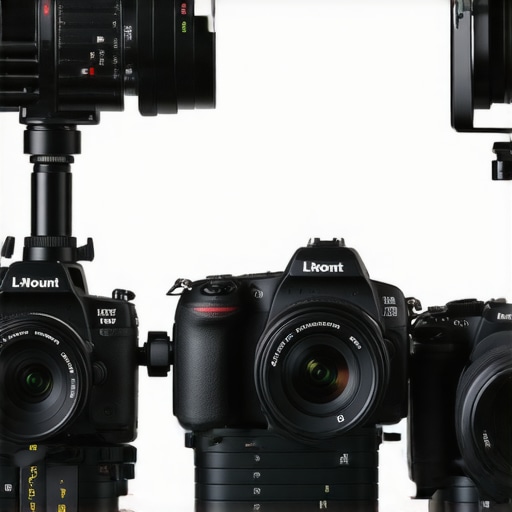
![Fix 256K Ghosting: 3 Prime Lenses With Nano-Shields [2026]](https://lenses.cinegearguide.com/wp-content/uploads/2026/04/Fix-256K-Ghosting-3-Prime-Lenses-With-Nano-Shields-2026.jpeg)
Leave a Reply