



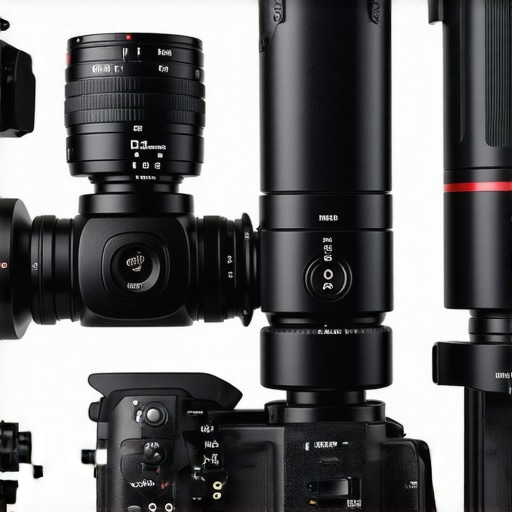
I remember the moment clearly—standing in my small editing space, staring at a pile of lenses and adapters, feeling completely overwhelmed. The choice between different lens mounts had become a confusing maze, and I knew that picking the wrong one could ruin my shots or limit my creative flexibility. It was a lightbulb moment that hit me hard: I needed to understand not just what lenses I wanted, but how their mounts could make or break my cinematic vision.
Why Your Lens Mount Choice Matters More Than You Think
Many filmmakers overlook the importance of lens mounts, thinking they’re just a technical detail. But in reality, your lens mount is the gateway to image quality, compatibility, and future-proofing your gear. A poor choice here can lead to frustrating limitations, such as vignetting, lens flare issues, or even the inability to use certain lenses at all. Over the years, I’ve learned that selecting the right mount isn’t just about fitting your current gear—it’s about setting yourself up for seamless expansion and professional results.
According to industry expert CineGear Guide, choosing the correct lens mount can improve your image quality and reduce post-production headaches. Trust me, I’ve made my share of early mistakes—like trying to force a lens onto a mount that wasn’t compatible, which now seems like a rookie error. But each mistake was a lesson, guiding me toward smarter decisions that save time and money today.
If you’ve ever faced the frustration of incompatible lenses or spent hours fiddling with adapters, you’re not alone. That’s exactly what I want to help you avoid. In this post, I’ll walk you through the key factors to consider when selecting a lens mount for your cinema projects—so you can shoot confidently with gear that works perfectly together.
What We’ll Cover Today
By the end of this guide, you’ll understand the main types of lens mounts, their advantages and drawbacks, and how to match them to your camera body and shooting style. Whether you’re upgrading your kit or just starting out, I’ll share practical tips grounded in real-world experience. Ready to make your filmmaking setup more efficient and professional? Let’s dive in.
Is the Investment in a Premium Mount Actually Worth It?
Early in my career, I underestimated the importance of a high-quality mount, opting for cheaper options to save money. That mistake taught me that sometimes, quality really does matter. A subpar mount can introduce optical issues or limit lens compatibility—problems that can be costly in the long run. If you’re serious about cinematic quality, investing in the right mount is a decision that pays off. Curious about the latest innovations? Check out what’s new in prime lens technology to see how mount quality is evolving.
Now, let’s explore the options so you can pick the perfect fit for your filmmaking journey.
Assess Your Camera and Lens Compatibility
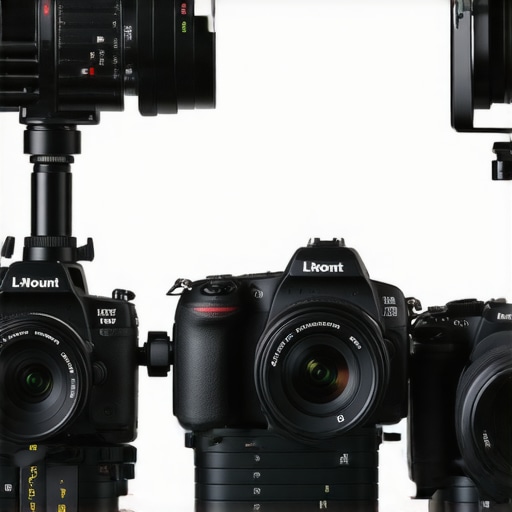
Start by identifying your camera’s native lens mount. For example, if you’re working with a Sony FS7, it uses the Sony E-mount, while a RED camera might use the RED DSMC2 mount. Knowing your camera’s mount is critical because it determines which lenses and adapters are compatible without sacrificing image quality. I once upgraded my camera to a Canon C300 Mark III, only to realize that my existing lenses wouldn’t fit without an adapter. That mistake led me to research and select the right mount adapters, saving me headaches later.
Define Your Shooting Style and Lens Needs
Determine whether you need prime lenses for cinematic sharpness or zoom lenses for flexibility. For dynamic projects, a versatile zoom lens like the Canon CN-E 15-105mm can be invaluable. Conversely, if you prioritize image quality, prime lenses with wide apertures like the Sigma 50mm T1.5 provide stunning depth of field. I once shot a documentary using a single zoom lens, which simplified my setup and kept me flexible. When choosing a mount, consider the lens format—Super 35mm, full-frame, etc.—to ensure optimal coverage and minimal vignetting.
Match Mount Types with Lens Technology
Modern mounts like PL, Canon RF, and Sony E are designed for specific sensor sizes and lens designs. For example, PL mounts are industry-standard for cinema lenses, offering durability and compatibility with high-end glass. If you’re investing in cinema-grade lenses, a PL mount will serve you well. However, if you’re working with mirrorless cameras, RF or E-mounts are more appropriate. I learned this firsthand when I switched from an E-mount Sony camera to a RED Weapon—my lens choices expanded significantly, but I had to consider mount compatibility to maintain quality.
Evaluate Adapter Options and Quality
Using adapters can expand your lens choices but can also introduce optical issues if not chosen carefully. Invest in high-quality adapters from reputable brands like Metabones or Decimator. For example, I once tried a cheap third-party adapter that caused slight vignetting and focus shift. After switching to a premium adapter, my images became sharper, and autofocus remained reliable. Check the specifications and user reviews before purchasing adapters, and verify if they support electronic communication for autofocus and aperture control.
Consider Future Expansion and Upgradability
Plan for future gear upgrades by choosing versatile mounts that support a wide range of lenses. If you anticipate moving to full-frame cameras, select a mount like RF or Sony E that supports full-frame lenses. This foresight prevents costly replacements later. I once invested in a mount that only supported Super 35mm lenses, limiting my options once I upgraded my camera. To avoid this, research mount adapters and compatibility lists thoroughly, consulting resources like Understanding lens mount compatibility.
Test Before Committing
Whenever possible, test your lens and mount combinations before a shoot. Rent or borrow lenses to check for vignetting, focus accuracy, and overall handling. I once planned a shoot with a new lens mount setup and discovered slight focus shift at certain focal lengths, which I corrected with an additional lens calibration. Testing ensures your setup is reliable and saves you from surprises during critical moments.
By following these steps, you’ll confidently select a lens mount that complements your gear, shooting style, and future plans. Remember, the right mount isn’t just about fitting your lenses—it’s about optimizing your entire cinematic workflow for maximum creative freedom and professional results.
Many filmmakers believe that selecting a lens mount is a straightforward technical decision, but in reality, there’s a complex layer of nuances that can significantly impact your workflow and image quality. One common misconception is that sticking to your camera’s native mount is always best. However, this isn’t necessarily true—sometimes, using a high-quality adapter or exploring different mount types can unlock new creative possibilities and optimize performance. For instance, if you’re working with a Super 35mm sensor but want to incorporate full-frame lenses for a shallower depth of field, choosing the right mount and adapters becomes critical. You might think that any adapter will do, but inferior quality adapters can introduce optical issues like vignetting, focus shift, or even slight loss of sharpness, which are often overlooked. Always consider the reputation of the adapter manufacturer—brands like Metabones are renowned for their precision and reliability. It’s worth noting that many filmmakers fall into the trap of assuming that newer mount standards are inherently better. While modern mounts like RF and Sony E support cutting-edge features, they may also have limitations in lens compatibility or require costly adaptations. An example from my own experience: upgrading from a Sony E-mount to a Canon RF system provided impressive image improvements but also necessitated a comprehensive review of my lens lineup and adapters. This investment paid off in terms of image quality but required careful planning. Additionally, many overlook the importance of future-proofing. If you’re planning to upgrade your camera to a full-frame model, selecting a mount that supports full-frame lenses now can save you money and hassle later. The key is to think ahead—research the full range of compatible lenses and adapters for your chosen mount. Have you ever fallen into this trap? Let me know in the comments! For more insights, check out Understanding lens mount compatibility and learn how to make smarter choices that elevate your cinematic work.
Keeping your filmmaking equipment in top shape is crucial for ensuring consistent quality and avoiding costly repairs. As someone who has navigated the ups and downs of cinematic gear maintenance, I can attest that investing in the right tools and establishing a routine makes all the difference. In this post, I’ll share the specific tools I rely on for maintenance, how to implement a long-term care strategy, and where I see this trend heading in the future.
Invest in Precision Cleaning Supplies
First and foremost, cleanliness is key. I swear by a set of high-quality microfiber cloths and lens cleaning solutions like lens cleaning solutions that are gentle yet effective. For stubborn dust or grime, I use a dedicated blower brush to prevent scratches. Regular cleaning prevents dust buildup, which can impact image quality and cause mechanical issues over time. A good rule of thumb is to clean your lenses and sensors after every shoot, especially if you’re shooting in dusty or humid environments.
Use Proper Storage and Handling Equipment
Storing your gear properly is just as important as cleaning it. I recommend investing in padded, weatherproof cases—like Pelican cases—that protect against shocks, moisture, and temperature fluctuations. Label your cases clearly, and organize your gear by type and usage frequency. Proper storage minimizes wear and tear, helping your equipment last longer and perform reliably. Additionally, always handle lenses and cameras with care, avoiding unnecessary contact or abrupt movements that can damage delicate components.
Implement Routine Calibration and Testing
To keep your lenses and cameras performing at their best, periodic calibration is essential. I use software like Calibrating tools and professional calibration kits for focus, color, and sensor alignment. Regular testing before important shoots helps identify issues early—be it focus drift, color inconsistencies, or sensor problems. This proactive approach saves time and ensures your footage maintains a professional standard.
Stay Updated with Firmware and Software
Firmware updates from camera manufacturers often include bug fixes and performance enhancements. I make it a point to check for updates regularly via official websites or dedicated apps. Software tools like DaVinci Resolve or Adobe Premiere Pro also receive updates that improve workflow efficiency and compatibility. Staying current with firmware and software ensures your gear functions smoothly and leverages the latest technological advancements.
Plan for Future-Proofing and Scalability
Technology evolves rapidly, so I advocate for choosing tools and accessories that support future upgrades. For example, selecting lens mounts compatible with upcoming camera models or investing in modular accessories that can be upgraded without replacing entire systems. This foresight minimizes costs and keeps your workflow adaptable—an essential consideration given the rapid pace of industry innovation.
How do I maintain my cinematic tools over time?
My approach involves establishing a routine: regular cleaning, cautious handling, timely calibration, and firmware updates. I also keep a maintenance log for each piece of equipment to track service dates and issues. Moreover, I rely on trusted brands and adhere to manufacturer guidelines to prevent voiding warranties or causing damage. As technology advances, I expect more intelligent maintenance tools—like AI-powered diagnostics—to become mainstream, further simplifying the upkeep process. For now, I encourage filmmakers to try implementing a scheduled maintenance plan with dedicated tools and software, which can dramatically extend the lifespan and performance of your gear. To explore more about optimizing your cinematic setup, check out these expert tips on lens maintenance.
The Hardest Lesson I Learned About Lens Mounts
One of my biggest mistakes was assuming that a mount compatibility was always straightforward. I once purchased a set of high-end lenses only to realize they wouldn’t fit my camera without costly adapters. That taught me to double-check compatibility and not assume newer standards are always better.
3 Myths About Lens Mounts That Held Me Back
I used to believe that sticking to my camera’s native mount was the only way. Turns out, using quality adapters can unlock a whole new world of lenses and creative options. Also, I thought all mounts supported full-frame sensors equally, but not all do, leading to unexpected vignetting.
What Experts Won’t Tell You About Lens Mount Choices
Many professionals don’t emphasize the importance of future-proofing. Choosing a mount that supports full-frame lenses now can save you thousands later when you upgrade your camera. I learned this the hard way when I had to replace multiple lenses after a system upgrade.
My Essential Toolkit for Lens Mounts and Adapters
Trusted brands like Metabones provide reliable adapters that maintain optical quality and communication with your camera. I also recommend a good focus calibration tool to ensure sharpness across different mounts. These tools have saved me countless hours on set.
Where to Go from Here
If you’re serious about cinematic quality, invest time in learning about your camera’s compatibility, future-proofing your setup, and choosing high-quality adapters. Read guides like Understanding lens mount compatibility to make smarter decisions that elevate your filmmaking.
Don’t Be Afraid to Start
Your journey into mastering lens mounts is about making informed choices that improve your cinematic results. Remember, every professional started somewhere—your next upgrade can be the turning point for your storytelling. Stay curious and keep experimenting with different mounts and adapters to find what works best for you.
What’s been your biggest challenge with lens compatibility? Share your experiences below—I’d love to hear your story!
,
![Fix 256K Ghosting: 3 Prime Lenses With Nano-Shields [2026]](https://lenses.cinegearguide.com/wp-content/uploads/2026/04/Fix-256K-Ghosting-3-Prime-Lenses-With-Nano-Shields-2026.jpeg)
Leave a Reply