



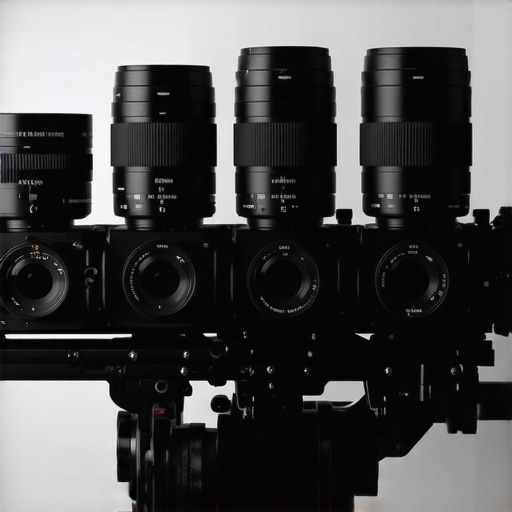
It was a frustrating afternoon on set, fumbling with my camera gear and feeling the heat of mounting anxiety. I had recently invested in what I thought was the top prime lens, only to realize it didn’t fit my camera mount. The mounting issue wasn’t just an inconvenience; it was a barrier to capturing my vision. That lightbulb moment—realizing I was mismatched in my equipment—still makes me smile, but back then, it felt like a mountain I couldn’t climb.
If you’ve ever wrestled with incompatible lenses or second-guessed your choice of zoom versus prime, you’re not alone. The world of cine lenses in 2025 is a labyrinth of options, mounts, adapters, and specifications, making it easy to feel overwhelmed. But here’s the good news: with a little guidance, you can cut through the noise and find gear that genuinely elevates your filmmaking. Today, I promise to share the lessons I’ve learned from my missteps, so you won’t have to stumble as I did.
Why Picking the Right Cine Lens Matters More Than Ever
In recent years, advancements in lens technology and mounting systems have skyrocketed, offering filmmakers unparalleled flexibility and image quality. But with this progress comes complexity. The wrong lens or adapter can compromise image sharpness, cause color shifts, or even block your creative flow entirely. It’s not just about genre or budget; it’s about understanding the core of what makes a lens a perfect fit for your filmmaking style.
Choosing between prime, zoom, or adapters isn’t a trivial matter. Each has its benefits—prime lenses are celebrated for their crispness and low light performance; zooms offer versatility in dynamic shots; adapters can turn existing gear into cinematic gems. But without proper knowledge, you risk investing in equipment that doesn’t work seamlessly together.
So, what’s the solution? How do you ensure compatibility and performance? That’s where knowing about lens mounts, the latest innovations in optics, and proper adapter selection can make all the difference. For a comprehensive overview, I recommend checking out [understanding lens mount compatibility](https://lenses.cinegearguide.com/understanding-lens-mount-compatibility-to-enhance-your-filming-experience), which is packed with insights on ensuring your lenses sync perfectly with your camera body.
Next, we’ll dive into the specific types of lenses, what features to prioritize in 2025, and how to avoid common pitfalls. But first, let me ask—have you ever purchased a lens only to find it incompatible or underperforming in your projects? If so, you’re in good company, and I’ll help you sidestep those costly mistakes.
Verify Your Camera Mount Compatibility First
Begin by identifying your camera’s lens mount type, as this determines which lenses and adapters will work seamlessly. For example, if you own a Sony FX6, check whether your intended lens features an E-mount or if you’ll need an adapter. I once tried to use a lens designed for Canon RF mounts on my Sony, only to realize I needed a specific adapter. Confirm compatibility through the manufacturer’s specifications or by consulting the latest guides like this resource.
Measure Your Lens’s Specifications Accurately
Before making a purchase, scrutinize the lens’s focal length, maximum aperture, and size. Think of these as the ingredients in a recipe—each impacts your final shot. When I selected a 50mm f/1.4 prime lens, I paid special attention to its weight and size because I was shooting handheld. Using a caliper, I verified the lens’s dimensions to ensure compatibility with my rig. This prevents surprises during critical shoots and helps maintain smooth operation.
Choose Between Prime and Zoom Based on Your Needs
Actionable decision: If your project requires quick scene changes, a zoom lens offers flexibility. Conversely, for sacrifice in versatility for optical quality, go with prime lenses. I once relied solely on zooms for a documentary, but switching to primes for a narrative film dramatically improved image sharpness. Familiarize yourself with the latest innovations at Prime Lens Innovations 2025 to inform your choices.
Utilize Correct Lens Adapters for Compatibility
If your lens mount doesn’t match your camera, use a high-quality adapter. Think of adapters as language translators—enabling two different ‘languages’ to communicate. For example, I used a Metabones adapter to mount PL lenses on my Sony FX6, achieving cinematic depth. Remember, not all adapters deliver the same quality—review specifications and user feedback, such as from best adapters in 2025. Properly selecting and testing your adapter can unlock unexpected creative possibilities.
Test Your Full Setup Before Critical Shoots
Once assembled, run a full test to catch hidden issues like focus shift or vignetting. I experienced this firsthand when a lens adapter introduced slight vignetting, which only became apparent during a test shot. Adjustments, like changing the flange distance or switching adapters, resolved the problem. A practical tip: always perform a comprehensive test with your actual shooting gear before heading to the set. This preemptive step saves time and preserves your creative flow.
Many filmmakers assume that choosing the right lens is straightforward, but the truth is more nuanced. A common misconception is that all lens mounts are compatible across brands; however, each mount system carries specific tolerances and design standards that can trip you up if overlooked. For instance, assuming that an EF mount can seamlessly integrate with any Canon RF lens ignores subtle differences in flange distance and mechanical design, which can cause focus issues or even damage. To avoid such pitfalls, always verify your camera’s lens mount compatibility via detailed guides like this resource. Additionally, many users underestimate how zoom lenses can introduce optical compromises, particularly at the edges. While zooms offer versatility, they often suffer from increased chromatic aberration and distortion, especially in lower-quality models. Recent advances in lens design, as discussed in mastering cine lenses, help mitigate these issues, but only if you select the right one. A trap to avoid is believing that bigger apertures always guarantee better low-light performance. While a large maximum aperture like T1.5 is tempting, it often comes with decreased sharpness and increased vignetting unless carefully designed. For clarity, check out latest prime lens innovations to understand the tradeoffs. When it comes to adapters, many assume that a high-quality adapter can convert any lens to fit any camera. But the reality is more complex. Cheap adapters may introduce focus shift or vignetting, especially with wide-angle or anamorphic lenses. The secret lies in understanding flange distance and optical quality, details covered extensively in lens adapter tips. Additionally, using multiple adapters can compound image degradation. Advanced users often overlook this, leading to degraded sharpness or color accuracy. Finally, mastering these nuances can significantly elevate your filmmaking, creating images that rival professional cinema. So, don’t fall into the trap of assuming compatibility or quality without research. Would you like to delve even deeper into selecting the perfect lens setup? Check out our comprehensive ultimate guide for guidance. Have you ever fallen into this trap? Let me know in the comments.
Investing in quality lenses and adapters is just the beginning; maintaining them over time is crucial for consistent performance. Regular cleaning, proper storage, and routine inspections protect your gear from damage and ensure your shots stay sharp and vibrant. I personally swear by using lens cleaning cycles that involve air blasters, microfiber cloths, and lens cleaning solutions tailored for cinema lenses, which prevent dust buildup and smudges that degrade image quality. Additionally, employing rigorous calibration schedules, especially after changing lens mounts or adapters, keeps focus and color accuracy intact. Modern tools like lens calibration devices enable precise adjustments, making sure your images are consistently excellent. As the trend toward higher-resolution shooting emerges, maintaining optical precision becomes even more vital—any misalignment can be distracting at 8K resolution. In the future, I predict that automated calibration—using AI-powered systems—will become standard, simplifying long-term maintenance and reducing user error. For now, though, creating a routine with your cleaning supplies and calibration tools ensures your gear remains reliable.
How do I maintain my lens mounts and adapters over time?
Regularly inspect mounting threads and locking mechanisms, applying minimal lubrication when necessary—using products recommended by lens manufacturers. Keep your lens mounts free of debris, and avoid exposing your gear to extreme temperatures or humidity, which can cause warping or corrosion. Using high-quality lens adapters also demands cautious handling; I advise tightening them gently and checking for any play before each shoot. Remember, a well-maintained lens setup translates directly into better image quality and fewer costly repairs. To further optimize your long-term results, consider creating a dedicated storage environment, like climate-controlled cabinets, especially if you work in varying outdoor conditions. Proper maintenance isn’t just about longevity; it’s a vital part of professional-grade filmmaking. Want more detailed protocols? I recommend reviewing techniques outlined in primarily in the prime lens innovations guide. And don’t forget—try implementing a comprehensive cleaning and calibration routine today, and see how it enhances your shoot quality over time.
One Mistake That Taught Me Everything About Lens Compatibility
Early on, I wasted hours troubleshooting focus issues because I didn’t double-check my lens mount compatibility. That lightbulb moment revealed how overlooked details can sabotage a shoot—reminding me that a little research saves big headaches.
Why Assuming Universality Can Cost You Big
I once believed that a high-quality adapter could bridge any gap—only to discover it introduced focus shift and vignetting. Realizing that each adapter has limitations pushed me to be more precise and selective, elevating my craft significantly.
The Hidden Value of Pre-Shoot Checks
Running full system tests before critical projects uncovered subtle vignetting and focus inconsistencies. Incorporating routine checks has become my secret weapon, ensuring crisp images and unwavering confidence during every shoot.
Curated Resources for Staying Ahead
- Understanding lens mount compatibility—A cornerstone for avoiding costly mismatches, this guide is my go-to for seamless gear integration.
- Mastering cine lenses in 2025—An authoritative resource that keeps me informed about the latest innovations and best practices.
- Lens adapter tips—Expert advice on selecting and testing adapters to maximize optical quality and compatibility.
Bring Your Gear Confidence to the Next Level
Embracing meticulous checks and continuously learning about lens systems has transformed my filmmaking journey. Your dedication to understanding your gear will unlock creative possibilities and give you the confidence to handle any shoot with finesse. Don’t settle for the second best—master your equipment today. Have you ever faced a compatibility challenge that changed how you prepare for shoots? Share your experience below!

![Fix 256K Ghosting: 3 Prime Lenses With Nano-Shields [2026]](https://lenses.cinegearguide.com/wp-content/uploads/2026/04/Fix-256K-Ghosting-3-Prime-Lenses-With-Nano-Shields-2026.jpeg)
Leave a Reply