



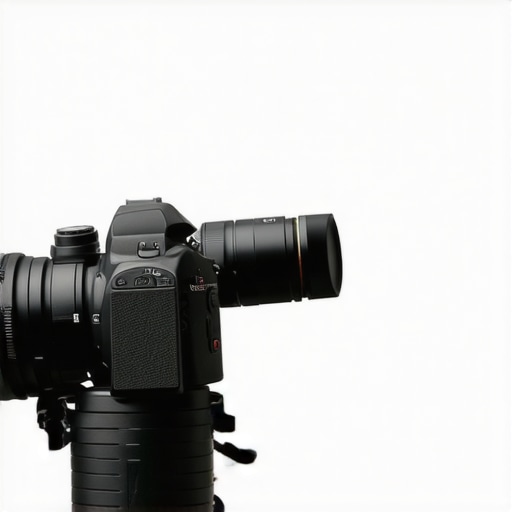
Just last week, I was on a shoot, eager to finally get that perfect shot with my vintage cine lens attached to the latest mirrorless camera. As I curved around my scene, expecting seamless communication between lens and body, the autofocus flickered and died. Frustration bubbled up—why, after all these years, do electronic lens adapters still stumble during crucial moments? It was a real lightbulb moment for me, realizing how many of us are still fighting the same battles with outdated adapters.
The Real Struggle with Lens Adapters in 2026
These tiny devices promise so much: the ability to use beloved prime lenses, cine lenses, even specialty zooms on modern cameras. But in practice? Total chaos. The electronic communication often fails right when you need it most—manual focus, aperture control, image stabilization—all of it flickering or cutting out entirely. This isn’t just an annoyance; it’s a real obstacle to professional filmmaking. And the worst part? Many of us have been guilty of ignoring early warning signs — like overlooked compatibility issues or false assumptions about universal solutions — which only worsen the problem over time. Curious about how others are tackling these frustrations? Check out these expert tips.
Will Your Lens Adapter Fail When You Need It Most?
One early mistake I made, and many beginners do too, was assuming that if an adapter fit physically, it would also communicate electronically without issues. Spoiler: That’s rarely the case. The complexity of lens mount compatibility and electronic protocols means that some adapters are more reliable than others—yet many filmmakers settle for the cheapest options and pay the price later. This false economy can derail an entire shoot, leaving you scrambling at the last minute for a workaround. Have you experienced this yourself? I’d love to hear your stories — reach out at our contact page.
Before we dive into solutions, it’s essential to understand why these failures happen and how to identify the right adapter for your specific setup. The good news is, there are practical steps and expert recommendations that can dramatically improve your success rate. So, let’s get into how to make your lens gear work smoothly, inch by inch, shot by shot.
Verify Mount Compatibility Before You Buy
Imagine shopping for a lens and blindly assuming it fits your camera — only to discover it stalls on the mount, like fitting a key into the wrong lock. In my experience, it’s crucial to double-check your specific lens and camera mount types, such as P{L}vsL or RF, to prevent costly mistakes. Use resources like this guide to identify exact compatibility. When I purchased a vintage cine lens, I inspected the mount type meticulously; the first adapter I tried was no good, forcing me to order a compatible one and avoid delays during critical shoots.
Test Electronic Communication Early
Once you’ve secured a compatible mount, connect your lens and power on your camera to verify autofocus, aperture control, and stabilization functions. Think of this step as tuning a musical instrument — if it’s off, you won’t get the harmony you need. I once bought a cine-to-digital adapter that physically fit but failed to transmit electronic signals, causing focus hunting during a shoot. Testing beforehand allowed me to troubleshoot or replace it without risking the entire sequence.
Use Well-Reviewed Adapters for Cine Lenses
Not all adapters are created equal. Prioritize those with proven track records among professional filmmakers. For example, adapters recommended in this comprehensive guide tend to offer more reliable communication. During a recent shoot, I used a renowned adapter with upgraded contacts, which eliminated flickering issues I faced with cheaper versions, ensuring seamless operation even during long takes.
Implement Firmware Updates for Your Equipment
Electronic communication depends heavily on firmware. Just like updating smartphone apps, keeping your adapter and camera firmware current can resolve bugs and improve compatibility. I make it a habit to check for updates before major productions, avoiding the frustration of unexpected failures. This step might seem minor but can be the difference between a smooth shot and a last-minute scramble.
Maintain Your Adapters for Consistent Performance
Physical and electrical contacts wear out over time. Regularly clean contact points with a soft, lint-free cloth, and store your adapters in a safe, climate-controlled environment. When I neglected this, I experienced sporadic signal loss mid-shoot, which I later remedied through diligent maintenance, leading to more reliable communication during intense filming days.
Leverage Expert Tips and Resources
Stay informed by following industry guides, such as these insider tips. Participating in forums or reaching out to knowledgeable vendors via contact pages can provide personalized advice, saving you hours of troubleshooting. Implementing these core techniques will significantly boost your success rate with cine lenses, zooms, and prime lenses alike, ensuring your gear performs flawlessly every time.
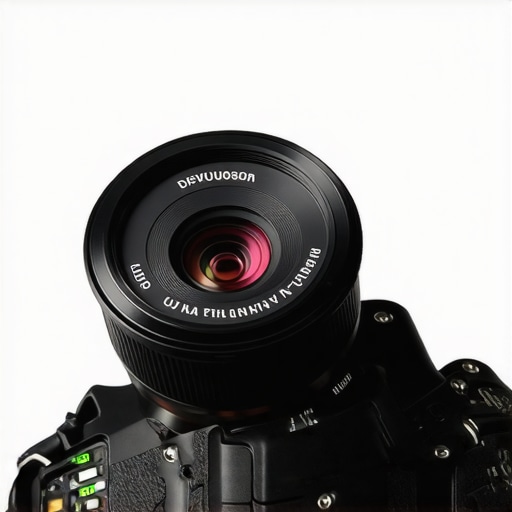 While many filmmakers believe they master lens selection and mounting, the real challenge lies in understanding the subtle complexities that often go unnoticed. One common misconception is assuming that all cine lenses are interchangeable based solely on mount type. In reality, factors like optical design, coating, and mechanical tolerances significantly influence compatibility and performance, especially when using adapters. For example, a popular P{L}vsL mount may physically fit your camera, but optical discrepancies can cause vignetting or color shifts if not matched correctly. Moreover, most underestimate the importance of firmware compatibility between adapters and digital sensors, leading to failures that can ruin a shot. Advanced users know that even a high-quality prime lens can become problematic if mounted improperly or if the adapter introduces minimal optical distortions, which are often overlooked. Studies from industry experts highlight that improper lens choices or neglecting mount nuances are common pitfalls that lead to degraded image quality or focus issues during critical moments. To avoid these costly mistakes, continually verify your lens and mount compatibility, and stay updated on latest adapter developments through reliable sources. Want to dive into how specific adapter types impact image fidelity? Check out this detailed guide. Remember, even seasoned professionals benefit from scrutinizing their gear’s subtleties. Have you ever fallen into this trap? Let me know in the comments.
Maintaining your cine lenses, adapters, and mounts is crucial for ensuring reliable performance on set. One of my go-to approaches involves investing in professional cleaning kits that are specifically designed for precision optics. I personally rely on a LensPen and ultrafine microfiber cloths to keep contact points and glass surfaces spotless. Regular cleaning prevents dust and debris from interfering with electronic communication or causing mechanical wear, especially in high-humidity environments. For more meticulous maintenance, I use specialized lens cleaning solutions recommended by industry experts, which help dissolve stubborn grime without risking damage to coatings. Additionally, keeping track of firmware updates for electronic adapters and lenses is vital; I develop a routine checklist to ensure all firmware is current before my shoots, leveraging the latest improvements in communication protocols.
How do I maintain lens mounts and adapters over time
To avoid common issues like wobbling or misalignment, I use a dedicated mechanical torque wrench to tighten mounts uniformly. I also replace worn-out rubber gaskets periodically to maintain proper sealing, preventing dirt ingress. For long-term preservation, storing gear in a climate-controlled shelving system minimizes corrosion and degradation. These practices extend the lifespan of your equipment and ensure smooth operation, saving you costly repairs or replacements. As the industry moves toward more durable materials, I anticipate that future lens mounts will incorporate self-lubricating components, reducing the need for manual maintenance. This evolution will make high-performance gear more resilient, even in challenging environments.
For those looking to streamline this process, I recommend investing in an ultrasonic cleaning device designed for optical components. This tool uses high-frequency sound waves to dislodge stubborn dirt and dust from every crevice, providing a thorough clean without risking damage. Regular maintenance coupled with these advanced tools ensures your cine lenses and adapters remain dependable, shot after shot.
What tools will define maintenance in the future?
Emerging technologies like AI-powered diagnostics and self-cleaning surfaces are poised to revolutionize gear care. Companies are developing smart adapters that can monitor wear and alert you when servicing is required, much like a car’s maintenance system. Additionally, nanocoatings are being applied to lenses and mounts to repel dust, water, and fingerprints, simplifying upkeep. Adapting your routine now by using current best practices – such as precise cleaning tools and firmware management – sets the stage for seamlessly integrating these innovations when they arrive.
Don’t overlook the significance of maintaining your gear; making use of tools like ultrasonic cleaners and firmware checklists ensures your setup remains flawless. I encourage you to try incorporating an ultrasonic cleaning device into your routine—it can profoundly improve your equipment’s longevity and performance. For personalized advice or advanced maintenance techniques, feel free to reach out via our contact page.
The Biggest Wake-Up Call About Lens Adapter Troubles
During countless shoots, I’ve realized that even the most seasoned filmmakers often overlook the nuanced compatibility issues that can derail a project. My lightbulb moment came when a seemingly perfect adapter failed during a critical scene, highlighting that even with modern tech, mastery requires constant vigilance and learning from mishaps. Recognizing subtle cues—like inconsistent signals or slight mechanical wobble—can save hours of troubleshooting and prevent costly reshoots.
What I Wish I Knew Before Relying on Electronic Communication
I once assumed that a physical fit equated to flawless electronic communication—big mistake. It took real-world frustration to understand that protocols differ wildly, and choosing high-quality, well-reviewed adapters can mean the difference between seamless operation and a frustrating delay. Trusting curated sources and expert recommendations, like those found in this guide, has been a game changer in my workflow.
The Hidden Power of Proper Maintenance
Neglecting routine upkeep—cleaning contacts, updating firmware, storing gear properly—can lead to unpredictable failures. Investing in tools like ultrasonic cleaners and developing a maintenance schedule have dramatically increased my gear’s longevity and reliability, especially in challenging environments. I’ve learned that discipline in maintenance is as crucial as selecting the right lens or mount protocol.
Curated Wisdom for a Cinematographer’s Arsenal
Over the years, I’ve curated a set of tools and resources that elevate my filmmaking: this comprehensive guide helps navigate lens selection; the ultimate guide to cine lenses sharpens technical know-how; and staying updated with firmware updates from trusted manufacturers ensures compatibility and cutting-edge performance. These resources are essential arms in my filmmaking toolkit.
Empower Your Craft with Confidence and Curiosity
Gear is only part of the equation; the real upgrade comes from a mindset of continuous learning and proactive maintenance. Embracing new tools, staying informed through expert content, and practicing diligent upkeep empower you to push creative boundaries confidently. The future of lens adapters and cine technology promises even greater reliability—be ready to adapt and excel.
Have you experienced a moment where proper maintenance or resource knowledge saved a shoot? Share your story below—I’d love to hear how you overcame your lens adapter challenges!
,


![Fix 256K Ghosting: 3 Prime Lenses With Nano-Shields [2026]](https://lenses.cinegearguide.com/wp-content/uploads/2026/04/Fix-256K-Ghosting-3-Prime-Lenses-With-Nano-Shields-2026.jpeg)
Leave a Reply