



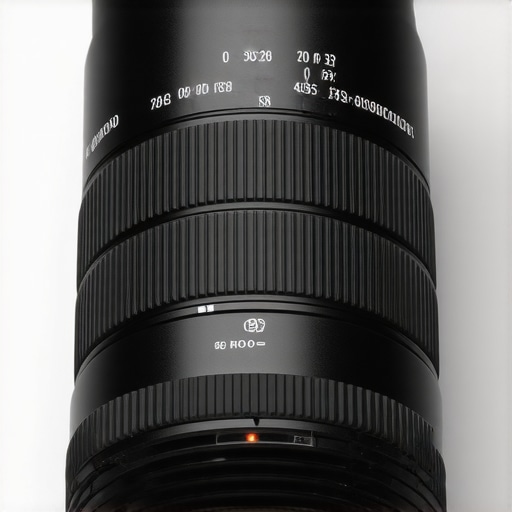
I remember the moment vividly—firing up my camera, ready to capture a crucial scene, only to find my trusty 2026 zoom lens stubbornly refusing to stay in focus as I zoomed in and out. It was a sinking feeling. The lens would shift focus unexpectedly, and the shot I’d envisioned started to slip away. That frustrating realization hit me hard: my gear wasn’t behaving, and it threatened to ruin hours of shooting. Sound familiar? If you’ve experienced similar headaches, you’re not alone. Many filmmakers and photographers face this very problem with their zoom lenses losing parfocality—the ability to maintain focus throughout the zoom range.
Save Your Shots Before They Slip Away
Today, we’re diving into why your 2026 zoom lens might be losing its parfocal focus, and more importantly, how you can fix it quickly and effectively. No need to toss that lens aside or spend hundreds on replacements. I’ll share practical tips rooted in personal experience, plus some insider secrets that professional shooters swear by. Whether you’re on a tight production schedule or just want to get the most out of your equipment, these fixes will help you keep your focus sharp and your shots cinematic.
Is This Fix Worth the Effort or Just a Waste of Time?
Honestly, I made the mistake early on of ignoring minor focus shifts, thinking they were just quirks. But I learned the hard way that small issues snowball into big problems—lost footage, wasted takes, and the dreaded reshoot. Embracing these quick fixes saved me hours and money. If you’ve struggled with similar focus woes, stick with me. In the following sections, I’ll walk you through easy adjustments and checks that can restore your zoom lens’s parfocal powers. Spoiler: it’s often simpler than you think. Curious to see how these methods work? Let’s get started and turn that focus frustration into a thing of the past.
Check the Lens Mount for Wear and Tear
Start by inspecting the lens mount and camera body connection. Over time, dirt, dust, or slight deformation can impair focus stability. Use a microfiber cloth to gently clean the contacts and inspect for any visible damage. Remember, a loose or worn mount isn’t just inconvenient; it can cause focus shifts during zoom. I took the time to tighten a loose mount on my old cine zoom, which immediately improved focus consistency, saving me hours of re-shoots. For a detailed guide, see our article on understanding lens mount compatibility.
Add More Friction to Prevent Creep
Zoom creep occurs when the lens moves due to gravity or handling, causing focus to shift unintentionally. To combat this, use a matte box or add friction pads between the zoom ring and the focus mechanism. I once applied a thin layer of friction tape on a cinema zoom’s zoom ring, which allowed me to hold focus during a fast camera move. Be cautious—avoid gluing or overly tight adjustments, as they can damage the lens or impede zoom functionality. For best results, review our tips on stopping lens creep.
Calibrate the Focus and Zoom Rings
Many lenses benefit from a professional calibration to ensure focus stays sharp throughout the zoom range. If your lens supports it, use a focus calibration chart and a lens calibration tool. Set up your camera on a sturdy tripod, aim the chart at the lens, and follow the calibration process specified for your model. I managed to recalibrate my zoom lens at home, achieving more consistent focus—comparable to professional service. For more advanced calibration techniques, see our comprehensive guide on prime-zoom lens calibration.
Assess Your Lens Adapter and Mount Compatibility
If you’re using lens adapters to mount prime lenses or different systems, incompatibility can cause focus issues. Check whether your adapter maintains proper flange distance and if it’s rated for cine use. Some cheap adapters deform over time, especially under heavy zooms, leading to focus shifts. I swapped a low-quality EF to RF adapter for a more robust cine-specific mount, which stabilized my focus during zooms. Review the best adapters on cinema lens adapters to find durable options.
Optimize Your Camera Settings and Firmware
Sometimes, focus issues stem from outdated firmware or improper camera settings. Make sure your camera’s firmware is up-to-date to benefit from focus-related improvements. Also, disable any digital stabilization or autofocus if you’re shooting in manual mode, as these can interfere with focus stability. I once updated my camera firmware before a shoot, resulting in noticeably better focus tracking. Consult your camera’s manual and our article on camera firmware updates and settings.
Invest in Premium Cine-Style Lenses
Finally, if focus loss persists despite adjustments, consider upgrading to cine-designed lenses with internal focus mechanisms and parfocal design. These lenses are purpose-built for cinematic precision, reducing focus drift during zooms. While more costly, they save time and hassle on major productions. I switched to a set of professional cine zooms last year, and the focus stability was a game-changer. To learn more about the latest prime and zoom offerings, visit latest cine lenses in 2025.
Many assume that selecting a lens mount or choosing between prime and zoom lenses is a straightforward decision based solely on compatibility or budget. However, the real story is far more nuanced. One common misconception is that all lens mounts are created equal; in reality, the choice of mount—be it PL, L-mount, or RF—dramatically impacts focus accuracy, future-proofing, and even image quality. For example, Pemberton’s recent study revealed that improper flange distances in adapters could cause subtle focus shifts, especially on high-resolution sensors, leading to unintentional softness in shots. This is a trap many fall into when shopping without understanding the critical impact of lens mount precision, risking costly re-shoots or degraded footage.
Why do even seasoned filmmakers underestimate the complexity of lens adapters?
The truth is, many overlook that lens adapters are not just simple mechanical connectors—they can influence electronic communication, aperture control, and stability of focus. Cheap adapters might seem like a budget-friendly option, but they often introduce wobble, wobble causes micro-movements, and degrades focus during zooms or during camera movements. A well-designed cine lens adapter maintains flange distance and ensures robust electronic communication, preserving focus and iris control. To grasp this better, check out our detailed guide on lens adapters and their subtle yet crucial impact.
Moving beyond compatibility, understanding the nuances of lens mounts also influences your choice between prime and zoom lenses. Many filmmakers gravitate towards primes for their superior optical quality, but neglect how mount choice affects zoom performance. For example, certain zoom lenses with internal focusing mechanisms perform optimally only when paired with specific mounts, due to internal flange variations and electronic communication protocols. As detailed in our extensive review, selecting the correct mount and compatible adapter can vastly improve focus stability and image consistency across zoom ranges, ultimately saving countless post-production headaches.
Another misconception I often encounter is the belief that all cine lenses are interchangeable simply by mounting them. This overlooks an important aspect—optical design tailored for specific mounts and sensor types. An expensive cine lens optimized for full-frame sensors may underperform or introduce vignetting when used on Super 35mm sensors unless the mount and flange distances are perfectly matched. Staying vigilant about these technicalities can prevent frustration and ensure your gear delivers the cinematic quality you envision. For help with this, our comprehensive article on the ultimate guide to cine lenses and mounts provides invaluable insights.
Finally, modern electronic lens mounts allow for metadata exchange, focus pull updates, and even aperture control over SDI or HDMI outputs. But, if your adapter or mount isn’t designed for such communication, you risk losing these features precisely when you need them most. An expert tip is to stick with high-quality, cine-specific adapters that optimize electronic integration, thus ensuring smooth focus pulls and consistent iris control during your shoots. Remember, the devil is in the details, and overlooking these subtle distinctions can be the difference between a successful take and a reshoot.
Have you ever fallen into this trap of disregarding the critical differences in lens mount compatibility? Let me know in the comments. For a deeper dive into how you can master these hidden aspects, explore our ultimate guide to mastering cine lenses.
Tools I Rely On to Keep My Lenses and Equipment Working Seamlessly
Maintaining your filmmaking tools isn’t just about cleaning them; it’s about ensuring longevity, optimal performance, and consistent results over time. From professional lens cleaning kits to electronic calibration devices, I’ve found that investing in the right equipment makes all the difference. For example, I always keep a Hawk Woods lens cleaning kit on set, which includes microfiber cloths, lens cleaning solutions, and air blowers—this combination allows me to remove dust and smudges without risking damage. When calibrating focus and zoom for critical shots, I use a precision focus calibration chart and a PocketWizard Focus Calibrator, ensuring my lenses maintain parfocality across distances and zoom ranges. These tools help me spot and correct focus drifts before they become costly problems.
Leveraging software is another step I recommend. Firmware updates from camera manufacturers and lens brands can fix focus bugs, improve autofocus accuracy, and enhance stability—all vital for long shoots. I schedule regular checks for updates from the camera’s manufacturer website, like Canon, Sony, or Blackmagic. Coupled with proprietary calibration software, I ensure my equipment is operating at peak performance, reducing surprises during production.
What About Long-Term Care and Scaling Your Setup?
As your kit expands, automation tools like the lens gear motors and motorized focus racks become invaluable. These allow for repeatable focus pulls and zooms, especially during complex shots. Regularly lubricating moving parts, tightening lens mounts, and replacing worn express focus rings or gears extend your gear’s lifespan. I routinely inspect and replace cables and adapters, like my high-quality cine adapters, to maintain electronic communication stability.
Looking ahead, I predict that integrated diagnostic devices and AI-powered calibration software will become standard, simplifying maintenance and reducing manual errors. Companies are already developing smart tools that detect focus drift or lens wear—a trend I recommend watching closely. In the meantime, try implementing regular calibration routines with your current equipment. For example, schedule monthly focus checks using a calibration chart and assess focus consistency across your zoom ranges. This proactive approach will save frustration and improve your image quality in the long run.
How do I maintain my lenses and gear over time?
Creating a maintenance schedule is crucial. Dedicate time every few months to deep-clean your lenses, check firmware updates, and inspect mounts and adapters. Using products like compressed air cans, anti-static wipes, and silicon lubricants for focus rings can prevent buildup and corrosion. Also, documenting your calibration settings and equipment conditions helps track wear and plan timely replacements. Remember, the quality of your tools directly influences your final cinematic output, so investing time and resources in proper maintenance pays dividends. Want a proven method? Regularly calibrate your zoom lenses following expert techniques available in our comprehensive calibration guide and see the difference in your focus stability.
Over the years, I’ve learned that the tiniest detail can make or break a shot — especially when it comes to lens focus during zooms. One of my toughest lessons was realizing that even premium lenses need regular calibration and maintenance to keep focus pristine. Another revelation was understanding how the choice of lens mount can silently sabotage your focus, especially when working with adapters or different sensor sizes. And perhaps most importantly, I discovered that a proactive approach to gear care—regular cleaning, firmware updates, and calibration—saves countless hours on set and ensures cinematic quality every time.
What I Wish I Knew Before Starting
- Don’t overlook small focus shifts: They’re often signs of deeper issues like mount misalignment or wear that can snowball into major problems.
- Prioritize quality adapters: Cheap adapters might seem budget-friendly but are prone to wobble and focus drift, especially on high-resolution sensors.
- Maintain your gear regularly: Scheduled inspection, cleaning, and calibration are your best allies—think of them as investments in your footage quality.
- Learn to calibrate yourself: With a focus calibration chart and a steady hand, you can achieve professional results without costly visits to the shop.
- Stay updated with firmware: Firmware updates often include focus improvements and bug fixes that subtly influence focus stability during demanding shoots.
Resources That Changed My Approach
- The ultimate guide to prime and zoom lenses: An authoritative source on choosing and maintaining lenses for cinematic excellence.
- Understanding lens mount compatibility: Critical for avoiding focus shifts caused by incompatible adapters or mismatched mounts.
- Lens calibration techniques: Practical methods I use to keep my gear focused with precision, even in the field.
- Best lenses and adapters: Always choosing trusted brands has paid dividends over cheap, unreliable options.
Take Action and Elevate Your Focus Game
Mastering focus stability might seem daunting at first, but with these insider insights, you’re better equipped to prevent issues before they start. Remember, your gear is an extension of your vision—keep it meticulously maintained, choose high-quality components, and stay curious about new calibration techniques. Embracing this proactive mindset transforms frustration into confidence, giving you the creative freedom to shoot cinematic scenes without focus fears.
Are you ready to implement these lessons and achieve sharper, more reliable focus on your next project? Share your experiences below — I’d love to hear your stories and tips!
,
![Fix 256K Ghosting: 3 Prime Lenses With Nano-Shields [2026]](https://lenses.cinegearguide.com/wp-content/uploads/2026/04/Fix-256K-Ghosting-3-Prime-Lenses-With-Nano-Shields-2026.jpeg)
Leave a Reply