



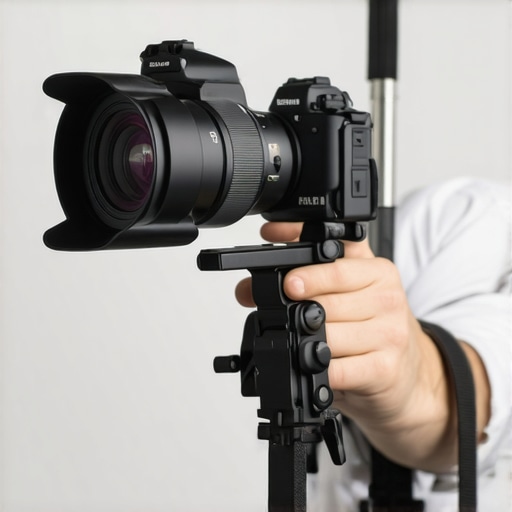
I vividly remember the moment I fumbled with my camera, trying to switch between a zoom and a prime lens in the middle of a shoot. Frustration crept in as I realized I hadn’t fully grasped the nuances of lens mounts and how they impact my footage. That lightbulb moment made me question everything I thought I knew about choosing the right lenses. I encountered endless options, compatibility headaches, and wasted time trying to make incompatible gear work seamlessly. Does this sound familiar to you? If so, you’re not alone. The world of cine lenses in 2025 is more advanced than ever, but it can also be an intimidating maze of mounts, adapters, and technologies. Today, I want to share my personal journey, revealing how understanding lens compatibility and the latest innovations can transform your filmmaking experience. We’re going to tackle how to select the best cine zoom and prime lenses that actually match your project needs, without the frustration of technical mishaps.
Why Picking the Right Cine Lenses in 2025 Matters So Much
Select the Right Lens Mount for Your Camera System
The first step is ensuring your lens mounts are compatible with your camera. Think of mounts like the socket in your wall—if they don’t fit, nothing powers up. Verify your camera’s existing mount and compare it against lens options, considering modern standards like Sony E-mount or Canon RF. If you own lenses with different mounts, use high-quality adapters to bridge the gap. Remember, a poor-quality adapter can introduce issues like reduced sharpness or focus shift, so invest in reputable brands. I once spent a day troubleshooting focus anomalies, only to realize I used a cheap third-party adapter. Switching to a certified adapter solved the problem instantly. For detailed compatibility tips, explore [understanding lens mount compatibility](https://lenses.cinegearguide.com/understanding-lens-mount-compatibility-to-enhance-your-filming-experience).
Choosing Between Zoom and Prime Lenses
Deciding whether to go for zooms or primes is crucial. Zoom lenses are like the Swiss Army knives—offering versatility on the fly. Prime lenses are akin to precision tools—delivering sharper images with lower distortion. Think about your project’s needs: fast-paced shooting benefits from zooms; cinematic storytelling calls for primes. For example, I used a 24-70mm zoom during a documentary shoot, but swapped to a 50mm prime for intimate interviews, capturing more emotion and detail. To select the best options, consider your desired look and movement. Check out [top zoom lenses for cinematic projects](https://lenses.cinegearguide.com/choosing-the-best-zoom-lens-for-dynamic-film-projects) and [latest prime lens innovations](https://lenses.cinegearguide.com/prime-lens-innovations-whats-new-for-cinematographers-this-year) for insights. This approach helps you optimize your kit for flexibility and quality.
Mastering Lens Adapters for Seamless Filmmaking
Sometimes, to get the perfect lens, you need an adapter. Think of adapters like the universal plug—allowing different systems to connect smoothly. The key is choosing adapters that preserve image quality and focus accuracy. Metal adapters tend to be more durable but may add slight bulk; electronic adapters can facilitate autofocus but might introduce latency. I experimented with a new Metabones adapter on a conceptual shoot, finding that it maintained image integrity while allowing me to use vintage lenses. To unlock hidden potential, explore [lens adapter tips for cinematic excellence](https://lenses.cinegearguide.com/lens-adapter-tips-unlocking-hidden-opportunities-for-cine-users). Properly matched adapters save you time, money, and frustration, especially when blending vintage glass with modern cameras.
Evaluating the Best Cine Primes and Zooms for 2025
In 2025, the market offers a plethora of options. Your goal is selecting lenses that align with your creative vision and budget. When assessing prime lenses, look at diaphragm blades, coating, and color rendition—details that impact mood. For zooms, consider focal length range, aperture size, and stabilization features. I once tested a new 16-35mm zoom from a recent release, noticing its image sharpness even at wide apertures—saved me from renting multiple primes. Use comparison charts and reviews to identify the right combination for your projects. For tailored advice, consult guides like [ultimate guide to prime and zoom lenses](https://lenses.cinegearguide.com/ultimate-guide-to-prime-and-zoom-lenses-for-filmmakers-in-2025). Making informed choices ensures each shot is a deliberate step toward storytelling excellence.
Many filmmakers fall prey to assumptions about lens mounts, zoom lenses, and adapters that can undermine their entire shooting process. A common myth is that all lens mounts are compatible across brands, but in reality, even minor differences can cause significant image quality issues. For example, using a generic adapter might seem convenient, but it often leads to focus shift or loss of sharpness, which can only be avoided by investing in high-quality, reputable adapters.
What’s the real story behind lens compatibility and advanced focus technology?
Advanced filmmakers know that the nuances in lens design—like the placement of focus rings, iris blades, and coating materials—affect the final image more than many realize. Attention to these details becomes crucial, especially when employing vintage or third-party lenses through adapters. Rushed decisions here can introduce optical distortions or focus inconsistencies, impacting your cinematic vision. An expert from Cine Gear Guide highlights that mastering compatibility minimizes post-production fixes and maximizes creative control.
Contrary to popular belief, zoom lenses are not inherently inferior to primes; their advanced optical designs now rival prime quality, with the added benefit of versatility. However, many assume zooms lack the character of primes, which leads to missed opportunities for dynamic storytelling. Choosing the right lens hinges on understanding the subtle differences: zooms often have more complex glass elements, which can introduce optical aberrations if not properly designed. To avoid this trap, study the latest prime and zoom lens reviews and test multiple models to understand their nuances.
When integrating vintage lenses via adapters, many overlook the importance of electronic versus mechanical adapters, which dictates whether autofocus and stabilization work seamlessly. A well-chosen lens adapter can unlock unique visual textures, but cheap alternatives often cause latency issues or focus problems. Remember, the devil is in the details; investing in premium adapters ensures optical stability and operational reliability.
The trap many fall into is believing that newer, more expensive lenses automatically guarantee better footage. In truth, understanding the nuanced differences—like coating properties, diaphragm blade design, and color rendition—is vital. Expert insights recommend assessing lens characteristics in real shooting scenarios before committing—a practice discussed extensively in comprehensive guides.
Finally, for advanced shooters, the question often arises: How do subtle lens and mount choices influence the storytelling tone? The answer lies in the details—focal lengths, aperture blades, and coating nuances all contribute to mood and texture. Recognizing these can elevate your craft from good to exceptional.
Have you ever fallen into this trap? Let me know in the comments!
Prioritize Regular Maintenance to Extend Gear Lifespan
Maintaining your camera lenses, mounts, and accessories is essential for consistent performance and image quality. I personally dedicate time at the end of each shoot to carefully clean lenses with a microfiber cloth and appropriate cleaning solutions, like isopropyl alcohol and lens wipes, to prevent dust and grime buildup. Regularly inspecting mounts and adapters ensures components stay secure and function flawlessly. Neglecting maintenance can lead to focus inconsistencies, optical distortions, or even mechanical failures over time. A proactive maintenance routine saves you money and costly repairs down the line. Invest in a dedicated camera cleaning kit and schedule periodic deep cleanings—it’s worth the effort for professional results.
Tools I Recommend for Optimal Performance
One tool I swear by is the VisionTECH lens cleaning system, which includes sensor swabs and specialized cleaning solutions designed for cine lenses. It allows me to quickly and safely clean delicate optical elements without risking scratches. Additionally, I rely on digital calibration tools like the software suite from X-Rite for color matching and calibrating monitor profiles, ensuring my on-set color grading remains consistent. When working with lens adapters, I use a digital gauge to verify precise fit and alignment—preventing focus shift and optical aberrations. Remember, using high-quality equipment and adhering to manufacturer guidelines whenever possible increases the longevity of your gear and maintains image integrity.
What’s the Future of Maintaining Cine Equipment
As technology advances, smart, IoT-enabled maintenance tools are emerging, offering real-time diagnostics and predictive maintenance alerts. Future workflows may include self-cleaning coatings for lenses or AI-powered calibration systems that automatically optimize performance. Staying ahead involves adopting these innovations early, reducing downtime, and ensuring top-tier image quality in every project.
How do I keep my gear functioning smoothly over time?
Adhering to a disciplined routine that combines careful cleaning, timely inspections, and proper storage is key. Store your lenses and mounts in climate-controlled environments and use desiccant packs to control humidity, preventing fungus and corrosion. When not in use, keep gear sealed in protective cases, and always handle equipment with clean, dry hands. Exploring specialized lubricants for mechanical parts or consulting manufacturer guidelines enhances reliability. For more detailed tips, visit this comprehensive guide on maintaining your cine gear effectively. Try implementing a weekly maintenance checklist—small investments of time now prevent major setbacks later.
Lessons Only Insiders Make Mistakes About lens mount,zoom lens,lens adapter,cine lenses,prime lens
- My most costly lesson was assuming all lens adapters are interchangeable; years of frustration taught me that quality and compatibility are everything.
- Overestimating the performance of budget lenses set me back, making me realize that understanding optical nuances can elevate your storytelling without breaking the bank.
- Getting comfortable with testing lenses in real scenarios rather than relying solely on specs deepened my appreciation for equipment choices that truly match creative vision.
My Secret Weapons for Cine Equipment Success
- invested in high-quality lens calibration tools like X-Rite to ensure color consistency across all lenses and cameras—this saved countless hours in post-production.
- Regularly subscribe to Cine Gear Guide’s detailed reviews and expert insights, as they keep me updated on innovations I trust for making informed decisions.
- Collaborate with experienced professionals and attend workshops; practical advice and hands-on experience accelerate mastery much faster than solo learning.
Embrace the Path, Don’t Wait for Perfection
Stepping into the world of cine lenses, especially in 2025, might feel overwhelming, but the journey is where your creativity truly begins to flourish. Each lens, adapter, and mount you explore adds a new layer of depth to your stories. Remember, even seasoned filmmakers continually learn—what matters is your willingness to experiment and adapt. So, grab that vintage lens, test a new adapter, or try a different zoom—your cinematic voice is waiting to be shaped.
What’s your biggest challenge when choosing or using cine lenses? Share your experiences below, and let’s grow together!


![Fix 256K Ghosting: 3 Prime Lenses With Nano-Shields [2026]](https://lenses.cinegearguide.com/wp-content/uploads/2026/04/Fix-256K-Ghosting-3-Prime-Lenses-With-Nano-Shields-2026.jpeg)
Leave a Reply