



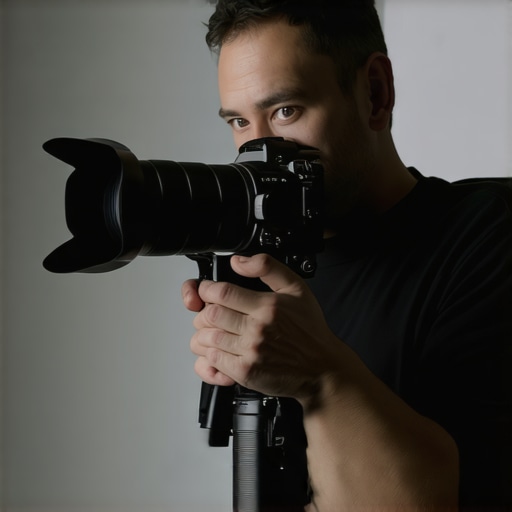
Picture this: I was on set, eager to capture a perfectly fluid zoom shot that would elevate my story. Instead, what I got was jittery focus pulls and a muddy image that lost all cinematic magic. Frustration prickled at the back of my mind. It dawned on me—despite all my gear, I was missing a fundamental piece of the puzzle: how to properly leverage zoom lenses for cinematic filmmaking. That lightbulb moment sparked a deep dive into the world of best practices for zoom in 2025, and let me tell you, the landscape has changed dramatically. If you’ve ever felt that your zoom shots lack the punch or smoothness you see in professional films, you’re not alone. This post promises to equip you with expert tips that can transform your approach and bring your visuals to life.
The Shift Toward Cinematic Zooming
Are You Overlooking the Power of Proper Lens Selection?
Choosing the Right Zoom Lens for Cinematic Shots
Start by selecting a zoom lens with a wide aperture, ideally f/2.8 or lower, to achieve a shallow depth of field and cinematic background blur. I remember a shoot last summer where switching to a lens with a wider aperture dramatically improved foreground separation, making my subject pop with a more professional look. When browsing options, consider lenses with minimal chromatic aberration and smooth zoom rings to ensure fluid transitions. Use resources like this guide to compare top models tailored for cinematic use.
Optimizing Lens Mount Compatibility and Adapter Use
Ensuring your lens mount aligns perfectly with your camera body is crucial. For instance, if you’re working with a new RED camera but only have EF mount lenses, you’ll need a reliable lens adapter. Simply put, adapters are like the adapter plugs you use when traveling—without proper fit, connections become unstable and results suffer. I encountered this firsthand when I tried to use an old PL mount lens on a mirrorless camera; upgrading to an advanced adapter eliminated focus shifting and improved image quality significantly. Research and invest in adapters that preserve your lens’s optical integrity.
Mastering Focus Pulls with Zoom Lenses
Achieving smooth focus pulls with zooms requires practice and understanding the lens’s behavior. Think of zooming as riding a bicycle: gentle pedaling yields better control. I once shot a fast-paced scene where I deliberately pulled focus during a zoom, resulting in a disjointed look. To refine this, set your camera to manual focus, and practice pulling focus gradually while zooming, maintaining consistent subject distance. Use lens zoom rings with a dampened rotation to avoid jerky movements. Check out this resource for more tips on mastering focus techniques.
Smooth Motion Planning for Zoom Shots
Plan your zoom movements like choreography—each step intentional. Use tripods or gimbals with zoom control features to stabilize your shot. I recall a scene where I attempted a quick zoom without stabilization; the jitter destroyed the mood. Instead, I took time to rehearse the zoom, ensuring a slow, steady movement that added emotional weight. Practice with your gear and experiment with variable speed settings. Remember, subtlety wins in cinematic storytelling.
Understanding Lens Adapters for Creative Flexibility
Lens adapters open doors to a broader universe of optics, much like discovering new colors on a painter’s palette. For example, attaching vintage cine lenses via adapters provided a unique character to my footage, something impossible with modern lenses alone. For added insight, consult this guide to find the best adapters for your camera and lens combinations. Remember, a well-chosen adapter is an investment in creative freedom and image quality.
Many filmmakers believe that choosing the right lens is simply about optics quality or focal length, but the real nuances run much deeper. A common myth is that prime lenses automatically produce superior cinematic images, yet this overlooks the importance of lens design and user technique. In contrast, zoom lenses are often dismissed as inferior, but with proper handling, they can offer remarkable flexibility without sacrificing quality. The truth is, understanding the subtle differences between lens mount types and the role of adapters is critical for smooth cinematic workflows. For instance, using a high-quality lens adapter that maintains optical integrity is essential—don’t risk jittery footage or focus issues by ignoring this detail. Remember, integrating the best adapters can elevate your footage, especially when working with vintage lenses or-mounted gear. Dive into this guide to master lens mount choices and avoid compatibility pitfalls.
One hidden nuance often missed is the choice of lens mount itself. Not all mounts are created equal—some offer better flange distances and compatibility with modern autofocus systems, which can influence image quality and shooting speed. For example, choosing a lens mount compatible with your camera’s sensor size and workflow can reduce the need for complex adapters or frequent focus adjustments. Moreover, advanced filmmakers should be aware of the potential for compatibility issues that can cause focus breathing or color shifting, especially when using third-party adapters. Overlooking these details can lead to costly reshoots or footage that doesn’t match seamlessly. Advanced filmmaking requires an eye for these subtle but impactful differences, and investing in high-quality gear or custom solutions pays off in the final product. Check out this comprehensive article for insights on prime lens innovations and how mount choices matter.
What Advanced Filmmakers Need to Know About Lens Mounters and Compatibility
Another overlooked aspect is the physical and optical effects introduced by lens adapters. While they grant versatility, they can also introduce issues like light loss, diffraction, or focus shift if not chosen carefully. For example, using a cheap adapter may cause your focus marks to become unreliable or introduce vignette in your shots. Experts recommend verifying the quality specifications and incorporating biometric or optical testing before committing. Furthermore, many filmmakers fail to recognize the potential for adapters to unlock creative looks by combining vintage lenses with modern sensor technology. This fusion creates distinctive character that isn’t achievable with off-the-shelf zooms alone. As noted by industry-leading cinematographers, mastering adapter choice and technique can dramatically expand your creative palette. Ready to optimize your kit? Explore this guide for expert recommendations on selecting the perfect gear for your cinematic ambitions.
In summary, the common pitfalls are often rooted in neglecting the subtle technical and creative details that distinguish amateur from professional results. Whether it’s the choice of lens, the type of mount, or the adapter quality, every element influences your final image. Think of your gear as an extension of your storytelling voice—refined and precise. Don’t fall into the trap of settling for standard options when sophisticated solutions exist to elevate your craft. Have you ever fallen into this trap? Let me know in the comments.
Maintaining Your Optics for Long-Term Success
As cinematographers, our lenses and gear are our most valuable assets, and regular maintenance is crucial to ensure consistent performance. I personally dedicate time each month to inspecting and cleaning my lenses and accessories. Use a high-quality lens cleaning kit with microfiber cloths, lens cleaning solution, and brushes—trust me, cheap alternatives often leave streaks or scratches. Keeping your lens mounts and zoom rings lubricated with appropriate products prevents stiffness and ensures smooth operation. For cine lenses, I recommend ultra-sonic cleaning if they’re showing signs of dust or grit, especially after extensive shoots. Catalyze your workflow by establishing a routine that includes checking for wear and tear, which can prevent costly repairs or replacements in the future.
Tools That Elevate Maintenance Routine
Invest in professional tools like the Lenspen, which is perfect for quick cleaning of glass surfaces without risking damage. Magnetic cleaning swabs are excellent for reaching tight corners of your lens mounts and keeping the internal elements dust-free. I’ve found that having a small, portable air blower on set vastly improves on-the-fly dust removal, keeping my lenses pristine even after intense shoots. For those working with multiple lenses, organizing a dedicated cleaning station with all tools at hand minimizes downtime—a smart move for busy productions. Consider also software solutions—like the firmware updater—directly from camera or lens manufacturers—to keep your digital components up to date, ensuring optimal compatibility and performance.
Long-Term Results When Good Care Becomes Habits
Consistent maintenance extends the lifespan of your lenses, preserving optical quality over years. I’ve seen professional kits with decades-old lenses that perform just as well as new models, thanks to diligent care. Regularly calibrate your lens autofocus and image stabilization systems—using professional testers or image analysis software—to maintain precise focus control. Properly stored gear in climate-controlled environments prevents fungus and corrosion, which can ruin optics unexpectedly. Embracing a maintenance routine pays off by reducing unforeseen failures during critical shoots and saving on expensive repairs. Remember, your gear is an investment—treat it accordingly, and it will reward you with years of cinematic magic.
Scaling Your Gear Maintenance in Larger Setups
In larger productions, implementing standardized checks and scheduling professional servicing become paramount. Having a dedicated technician or team responsible for gear upkeep ensures nothing slips through the cracks. Automate inventory and maintenance logs using software solutions; this organization simplifies troubleshooting and warranty claims later. As your kit grows, consider investing in protective cases with climate control and desiccants to prevent damage during storage or transit. Planning for regular deep cleaning sessions—at least quarterly—by specialists can uncover issues early and maintain pristine optical quality across your entire fleet. For complex rigs, consulting industry-standard guides like this resource helps optimize your workflow and equipment longevity.
In future trends, expect advances in self-cleaning lens coatings and firmware-driven calibration tools that simplify maintenance. To get ahead, I recommend integrating routine checks into your production schedules and investing in high-quality tools. Start today by trying out an ultrasonic cleaner for your cine lenses — small investments that yield big results over time. Keeping your gear in top shape isn’t just about prolonging life; it’s about consistently delivering high-quality visuals that elevate your storytelling. Are you ready to set a new standard in gear care? Dive into these tips and make maintenance your secret weapon for cinematic excellence.
As I reflect on my journey through cinematic filmmaking, one truth stands out more than ever: the devil is in the details. From selecting the perfect zoom lens to ensuring flawless lens mount compatibility, every choice impacts the storytelling magic we create on screen. Over the years, I’ve learned that even small overlooked nuances—like the quality of an adapter or the way I plan my zoom movements—can make or break a scene’s emotion and clarity. These personal lessons have shaped my approach, revealing that mastery comes from understanding both the technical craftsmanship and the artistic intent behind every shot. Embracing continuous learning and mindful gear management has unlocked new levels of visual storytelling, allowing me to craft more immersive and polished narratives. Remember, in this craft, the journey of refinement never truly ends; the more you learn, the more your storytelling power grows.
![Fix 256K Ghosting: 3 Prime Lenses With Nano-Shields [2026]](https://lenses.cinegearguide.com/wp-content/uploads/2026/04/Fix-256K-Ghosting-3-Prime-Lenses-With-Nano-Shields-2026.jpeg)
Leave a Reply