



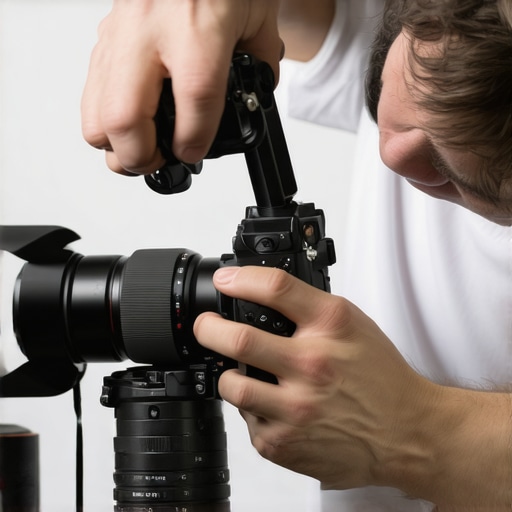
I remember the frustration vividly. It was late at night, under the flickering lights of my makeshift home studio, trying to switch my prime lens with a lens adapter. The focus was slipping, the image quality was suffering, and I felt like I was battling my gear rather than telling a story. That lightbulb moment hit hard: I had overlooked the subtle, yet crucial, details of lens compatibility and adapter precision. Since then, my filmmaking journey has been about mastering these tiny, often overlooked elements that make a huge difference in cinematic quality.
Why Prime Lenses and Adapters Are Your Hidden Cinematic Superpowers
In 2025, the right prime lens combined with a well-chosen lens adapter can elevate your footage from decent to stunning. But it’s not just about having the latest gear. It’s about understanding how these tools work together seamlessly, so you can focus on the storytelling without tech hiccups. The good news? Once you decode the intricacies of lens mounts, adapters, and their compatibility, you’ll find your shooting experience becomes more intuitive and rewarding. Plus, investing time in these details can save you hours of frustration and costly reshoots. Trust me, I’ve been there. I once used a mismatched adapter that caused slight focus shifts, and that tiny mistake compromised an entire scene. It was a costly lesson that pushed me to dig deeper into the nuances of lens-mount compatibility.
If you’ve ever felt overwhelmed by the myriad of lens options or unsure if your current setup is truly optimized, you’re not alone. Many filmmakers face this challenge early on. But here’s the thing: understanding these fundamental elements unlocks a new level of cinematic control and quality. Curious to learn how to avoid common pitfalls and choose the best prime lenses and adapters for your projects? Stick around. We’ll explore practical tips, expert insights, and real-world strategies to make your 2025 filmmaking seamless and professional.
Is Lens Compatibility Really That Critical for Cinematic Quality?
Early in my career, I made the mistake of assuming all lens adapters are equally reliable. I quickly learned that cheap or incompatible adapters can introduce focus shifts, vignetting, or even damage your camera. It’s a mistake I don’t want you to repeat. The key is to select adapters designed for your specific lens mount and camera body. For instance, understanding lens mount compatibility can save you time and money, ensuring seamless focus and image clarity. The right adapter isn’t just a connector; it’s a bridge to cinematic perfection. If you’re unsure about which adapter suits your gear, or if you’re considering upgrading your prime lenses, I highly recommend consulting comprehensive guides like latest prime lens innovations.
So, have you faced issues with lens compatibility or adapter performance? If so, you’re in good company. The goal now is to equip yourself with the knowledge to avoid those pitfalls and make smarter, more confident choices. Ready to dive into the practical tips that will transform your filmmaking experience? Let’s get started!
Match Your Gear Precisely to Your Camera
Start by identifying your camera’s lens mount and ensuring your prime lenses and adapters are compatible. Think of it like fitting puzzle pieces together — a mismatch can cause focus issues or vignetting. For example, if you shoot with a Sony E-mount camera, choosing lenses and adapters designed specifically for that mount guarantees a smooth connection. When I upgraded to my Sony FX30, I initially used a third-party adapter that caused focus shifts. After switching to a genuine Sony-compatible adapter, my focus became sharp and reliable. Always double-check compatibility by consulting manufacturer specs or trusted guides like Understanding Lens Mount Compatibility. This simple step prevents costly mistakes and ensures your prime lenses perform flawlessly.
Choose Prime Lenses That Match Your Shooting Style
Before buying, analyze your typical shots. Do you need wide-open apertures for shallow depth of field? Are you shooting in tight spaces requiring compact lenses? For instance, I once borrowed a fast 50mm prime for a documentary shoot in cramped quarters. The wide aperture let me isolate subjects beautifully, but I struggled in low light until I upgraded to a newer lens with better optical stabilization. Remember, recent innovations in prime lenses, like improved optics or lighter designs, can significantly enhance your footage. Check out the latest options at Prime Lens Innovations 2025. Selecting the right lens means better image quality and more creative control, especially when paired with the perfect adapter.
Optimize Your Adapter Setup for Flawless Focus
The secret to seamless focus lies in your adapter’s quality and setup. Use adapters with locking mechanisms and minimal glass elements that can introduce optical distortions. I once used a cheap, non-locking adapter that shifted during a handheld shot, ruining a critical scene. To avoid this, invest in high-quality adapters designed for your lens mount. Additionally, consider using lens adapter tips to fine-tune your setup—like adjusting flange distances or adding spacers for perfect focus. When I aligned my adapter precisely, focus shifts disappeared, and I gained the confidence to shoot handheld without worry. Remember, a well-maintained, properly fitted adapter is your best friend for cinematic precision.
Test and Calibrate Your Setup Regularly
Don’t assume your gear is ready to shoot straight out of the box. Regularly test your prime lenses with adapters to catch focus shifts or vignetting early. For example, I set up a simple test chart and filmed it with different lens-adapter combinations, noting any focus inconsistencies. Calibration tools like focus charts or software can help you fine-tune your setup for peak performance. This proactive approach saves you from surprises on set and guarantees your footage meets professional standards. Think of it like tuning a musical instrument—small adjustments make a big difference in sound quality, or in your case, image sharpness.
Keep Your Equipment Clean and Well-Maintained
Lens adapters and prime lenses are delicate. Dust, fingerprints, or scratches can degrade image quality. I learned this the hard way when a tiny fingerprint on my adapter caused a subtle haze in my footage. Always handle your gear with care, clean lenses and adapters with appropriate wipes, and store them safely. Regular inspections for wear and tear ensure your equipment remains in top shape, preventing unexpected issues during shoots. Remember, a clean, well-maintained setup is essential for cinematic excellence.
Many filmmakers operate under misconceptions that can hinder their cinematic quality and workflow efficiency. One such myth is that any lens adapter will work seamlessly across different camera systems. In reality, the nuances of lens mounts and adapter quality are critical. Using a cheap or incompatible adapter can introduce focus shifts, vignetting, or even damage your gear. It’s essential to select adapters designed specifically for your lens mount and camera body, as highlighted in Understanding Lens Mount Compatibility. This ensures your prime lenses perform optimally, delivering sharp, cinematic images.
Another misconception is that newer, more expensive prime lenses automatically produce better images. While high-end lenses often feature superior optics, recent innovations in cinema lens technology mean that mid-range lenses can now deliver astonishing clarity and bokeh. It’s crucial to match your lens choice to your specific shooting style and needs rather than just price tags. Check out the latest prime lens innovations for 2025 for options that balance performance and affordability.
Many overlook the importance of regular calibration, assuming their gear will stay perfectly aligned. This is a costly mistake. Small focus shifts or misalignments can drastically affect your footage, especially during critical scenes. Regular testing and calibration, using tools like focus charts, can save you time and prevent reshoots. Think of it as maintaining your gear like a musical instrument—small adjustments lead to professional results.
Have you ever fallen into this trap? Let me know in the comments. The key to cinematic mastery is understanding these nuanced details that separate good filmmakers from great ones. Mastering prime lenses and adapters involves more than just acquiring gear; it requires a deep understanding of how each component interacts within your system. Keep learning, keep experimenting, and your cinematic vision will shine through every frame.
Keeping your cinematic gear in top shape is vital for consistent, high-quality footage. Over time, even the most well-crafted prime lenses and adapters can develop issues that impact your images. Fortunately, with the right tools and maintenance routines, you can ensure your equipment remains reliable and performs at its best for years to come.
Invest in Quality Cleaning Equipment
Using specialized lens cleaning kits is a must. I personally rely on microfiber cloths, lens cleaning solutions, and compressed air to remove dust, fingerprints, and smudges without scratching the glass. Regular cleaning prevents dust particles from settling in the optical elements, which can cause image degradation over time. When cleaning, always use gentle strokes and avoid harsh chemicals that can damage coatings. For stubborn smudges, a few drops of high-quality lens cleaner paired with a microfiber cloth do the trick effectively.
Protect with Proper Storage Solutions
Storing your lenses and adapters in padded, dedicated cases minimizes exposure to dust, moisture, and accidental impacts. I keep my gear in climate-controlled environments to prevent mold and corrosion, especially in humid climates. Using silica gel packets inside your cases helps absorb moisture, extending the lifespan of your equipment. Additionally, always detach lenses from your camera when not in use to prevent stress on the mount and wear on the locking mechanisms.
Regular Calibration and Inspection
Even premium prime lenses benefit from periodic calibration. I schedule monthly tests using focus charts to detect any focus drift or optical inconsistencies. If you notice focus shifts or vignetting developing, it might be time for professional calibration. Many manufacturers recommend sending your gear to authorized service centers—like the experts at CineGear—to ensure precise adjustments. Maintaining your gear’s calibration ensures sharp images, which is critical for cinematic storytelling.
Tools I Recommend for Ongoing Maintenance
- Air Blower: A reliable air blower is essential to remove dust without touching the glass. I prefer the Giottos Rocket Blaster for its gentle yet effective cleaning.
- Lens Cleaning Solution: Opt for alcohol-free, anti-static solutions to prevent damage to coatings. My go-to is Zeiss Lens Cleaning Fluid, trusted for its safety and efficacy.
- Microfiber Cloths: Use lint-free, soft cloths designed specifically for optics. I always keep a few dedicated cloths separate from general cleaning towels.
- Focus Charts and Calibration Tools: For DIY calibration, I recommend a high-contrast focus chart like the X-Rite i1Display Plus, which helps verify focus accuracy and optical consistency over time.
Anticipating Future Trends: Smarter Maintenance
As technology advances, expect more integrated diagnostic tools to emerge. Future lenses and adapters might include sensors that monitor optical alignment, dust ingress, or even coating degradation, alerting you via smartphone apps—much like the innovations seen in latest prime lens tech. Embracing these tools will simplify maintenance and extend your gear’s longevity.
How do I maintain my cine lenses and adapters over time?
Establish a routine that includes regular cleaning, proper storage, periodic calibration, and prompt repairs when needed. Remember, investing in quality tools and following manufacturer guidelines—like those outlined at Understanding Lens Mount Compatibility—can save you money and frustration down the line. Don’t hesitate to reach out to professional service centers for complex issues; they can often diagnose problems before they become costly. Lastly, stay informed about emerging maintenance technologies that promise to make gear care smarter and more efficient. Try implementing a monthly focus test with calibration tools to keep your equipment performing at peak levels, ensuring your cinematic vision remains sharp and stunning every time you shoot.
When I first started exploring prime lenses and adapters, I underestimated how crucial compatibility and setup are for cinematic quality. My early mistakes taught me that even the best lenses can fall flat if paired with the wrong adapter or misaligned mount. These lessons are invaluable for filmmakers aiming for sharp, professional footage without unnecessary reshoots.
The Hardest Lesson I Learned About Cine Lenses
One of my biggest realizations was that not all adapters are created equal. Cheap or incompatible adapters can introduce focus shifts, vignetting, or even damage your gear. I once used a generic adapter on my Sony E-mount, which caused subtle focus inaccuracies that ruined a key scene. Since switching to high-quality, mount-specific adapters, my focus reliability skyrocketed, saving me time and frustration.
3 Myths About Prime Lenses That Held Me Back
Many filmmakers believe that only expensive, top-tier prime lenses deliver cinematic results. I discovered that recent innovations have made mid-range lenses incredibly capable, especially when paired with the right adapter. It’s more about matching the lens to your shooting style than just chasing high price tags. For example, lightweight, fast primes with improved optics have transformed my handheld shots, providing stunning bokeh and sharpness without breaking the bank.
What Experts Won’t Tell You About Maintenance
Proper maintenance isn’t just cleaning; it’s about regular calibration and careful storage. I used to neglect calibration until focus shifts started creeping in. Now, I routinely test my lenses with focus charts, ensuring consistent sharpness across shoots. Investing in quality cleaning tools and climate-controlled storage has extended my gear’s lifespan and kept my images consistently professional.
Curated Resources That Changed My Approach
- Prime Lens Innovations 2025 — This guide reveals the latest lens technology, helping me choose lenses that offer better optical performance and lighter designs, perfect for handheld shooting.
- Understanding Lens Mount Compatibility — A comprehensive resource that saved me from costly mismatches, ensuring my adapters fit perfectly and perform reliably.
- Lens Adapter Tips — Practical advice on fine-tuning adapters for perfect focus and minimal optical distortions, vital for seamless cinematic shots.
- Contact Professional Services — When calibration issues arose, trusted technicians at CineGear helped me restore my gear’s precision without fuss.
Seize the Moment and Elevate Your Filmmaking
Taking control of your prime lenses and adapters is about more than gear — it’s about empowering your creative vision. When your equipment works flawlessly, your storytelling becomes more focused and impactful. Don’t wait for the perfect shot to pass you by. Invest in understanding your gear, maintain it diligently, and let your cinematic voice shine through every frame.
What’s the biggest challenge you’ve faced with lens compatibility or setup? Share your experience below and let’s learn from each other’s journeys.


![Fix 256K Ghosting: 3 Prime Lenses With Nano-Shields [2026]](https://lenses.cinegearguide.com/wp-content/uploads/2026/04/Fix-256K-Ghosting-3-Prime-Lenses-With-Nano-Shields-2026.jpeg)
Leave a Reply