



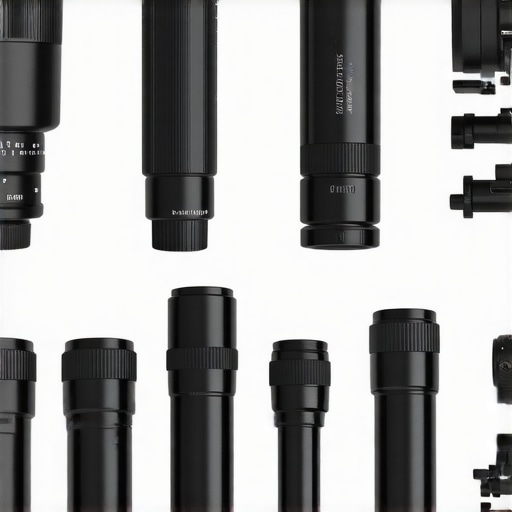
Ever had that sinking feeling during a shoot when your perfect shot was just out of reach because your lens wouldn’t fit or your equipment lacked flexibility? I vividly remember a time when I was chasing a compelling shot only to realize my prime lens couldn’t adapt to my camera body. Frustration set in, and I had to scramble for workarounds that limited my creative vision. That moment was a lightbulb—understanding lens adapters and mounts isn’t just technical jargon; it’s the key to unlocking your cinematic potential.
The Real Edge: How Lens Adapters Can Transform Your Filmmaking
Over the years, I’ve learned that the right lens mount or adapter isn’t just a convenience—it’s a game-changer. They allow filmmakers to access a broader range of lenses, blend different brands, and adapt vintage glass for modern cameras. As noted by industry experts, using the correct adapters can virtually eliminate the need for multiple camera bodies, saving costs and space while boosting creative flexibility (CineGear Guide). But here’s the catch—if you don’t choose them carefully, the results can be disappointing, even damaging your footage. Early on, I made the mistake of rushing into a purchase without checking compatibility, which led to focus issues and unnecessary frustration. Trust me, understanding the nuances of lens mounts and adapters is essential, and it’s something I wish I had paid more attention to from the start. We’ll cover everything you need to know to avoid those pitfalls and optimize your cinematic setup.
Is Investing in Expensive Adapters Just an Overhyped Trend?
One common fear I hear from fellow filmmakers is whether all these pricey adapters are worth it. Honestly, I was skeptical too—until I realized that cheaper, poorly made adapters can introduce vignette, focus shift, or even damage your lenses. The key is to find quality, reliable options that match your gear’s specifications. Investing wisely in the right adapters can extend the life of your lenses and open up creative possibilities you never thought possible. Curious about how to choose the best ones? Check out our comprehensive guide, which covers everything from compatibility to durability and seamless performance.
So, if you’ve ever faced the frustration of incompatible gear or simple missed shots due to technical limitations, you’re not alone. The good news is, with a solid understanding and the right tools, you can turn your filmmaking challenges into opportunities. Ready to dive into the essentials and make smarter choices? Let’s get started with the fundamentals of lens compatibility and how to select adapters that elevate your craft.
,
Match Your Lens to Your Camera: Checking Compatibility
Start by identifying your camera’s lens mount type—whether it’s Canon RF, Sony E, Leica L, or another standard. For example, I once tried mounting a vintage Zeiss Super Speeds onto my Sony FX6 without verifying compatibility, leading to focus issues and vignetting. To avoid this, always consult the official compatibility charts or detailed guides like Understanding Lens Mount Compatibility. Measure your lens’s mount diameter and flange distance—these are critical factors in selecting the correct adapter. Use a caliper for precise measurements and cross-reference with manufacturer specifications. Remember, mismatched mounts can cause focus shift or damage, so double-check everything before proceeding.
Select Quality Adapters That Match Your Needs
When choosing an adapter, consider the build quality and material—metal adapters like aluminum or brass offer durability and precise fit, reducing focus shift and vignetting. I once invested in a cheap plastic adapter, which caused focus inconsistency during a critical shoot, forcing a reshoot. Use authoritative resources such as Best Lens Adapters and Mounts for Seamless Cinematic Production, to compare options. Look for adapters with adjustable rotation or lock mechanisms to secure the lens firmly. Compatibility with electronic contacts is crucial if you want data transmission like autofocus and aperture control. If your lens and camera support electronic communication, verify that the adapter supplies power or data transfer accordingly.
Fine-Tune Focus and Aperture Control
Once mounted, test focus accuracy at various distances. Use a test chart, like the ISO 12233 resolution chart, to verify sharpness across the frame. I recall spending hours fine-tuning focus through a rented adapter, eliminating micro-shifts that blurred my footage. Some adapters come with adjustment screws or calibration options—use them to correct focus plane discrepancies. For aperture control, check if your adapter allows you to adjust via the lens’s rings or electronic buttons. Be cautious: poorly calibrated adapters may introduce focus breathing or misalignment, so spend time refining focus calibration. Consider using focus peaking and magnification features on your camera for critical sharpness checks.
Handle Vintage Lenses with Care and Creativity
Vintage lenses can add character but require special attention. Mounting a vintage prime onto a modern digital camera might reveal minor imperfections or flare; use lens hoods and filters to control these artifacts. For example, I mounted a vintage Cooke S4 lens using an appropriately matched adapter, which enhanced a moody scene in my film. Sometimes, vintage glass needs physical modifications or step-up rings for proper fit—consult guides like Prime Lens Innovations for tips. Keep a small toolkit for manual adjustments and cleaning. Remember, vintage glass may lack electronic contacts; plan for manual focus and aperture adjustments during shooting. When done, store adapters carefully to prevent wear and ensure consistent performance for future projects.
Document and Maintain Your Setup
Maintain a record of which adapters work best with specific lenses and camera combos—use note apps or dedicated logs. Regularly inspect your adapters for dirt, corrosion, or loose parts—improper maintenance causes focus drift or lens damage. I set up a cleaning routine using compressed air and lens-safe cloths, which extended the lifespan of my gear. For comprehensive care, follow detailed guidelines from Contact Us for support. Proper storage in padded cases prevents accidental damage. Finally, test your setup before critical shoots to ensure consistent, sharp footage and avoid last-minute surprises.Many filmmakers believe that choosing a cine lens or adapter is simply about matching specifications or buying the most expensive gear. However, this approach often overlooks nuanced technical realities that can significantly impact your footage quality and workflow. Let’s dig deeper into what most people get wrong about these essential tools.
One widespread myth is that all prime lenses deliver superior image quality without considering their operational context. While primes generally offer sharper images and better optical performance, they can be restrictive in dynamic shooting environments where versatility is key. Relying solely on primes may seem ideal on paper, but in practice, a well-chosen zoom lens can provide necessary flexibility without compromising quality—if you select the right model. I recommend exploring our guide on prime and zoom lenses for an in-depth comparison.
An advanced mistake many overlook involves the details of lens mounts and adapters. Many assume that because mounts are designated as compatible, they are interchangeable without consequence. In reality, mismatched mounts can cause focus shifts, vignette, or even damage to your lenses and camera. Compatibility isn’t just about fitting; it’s about optical alignment and mechanical precision. For instance, a cheap adapter might cause focus breathing or micro-shifts during operation. To avoid this, always verify specs and quality sources like best lens adapters. Never underestimate the importance of securing the correct mount; your image quality depends on it.
Now, consider the common misconception that zoom lenses are inferior to primes in cinematic storytelling. This notion has persisted due to the traditional preference for primes’ optical purity. Yet, modern zooms have evolved drastically, offering constant apertures and minimal distortion. The real advantage lies in your ability to adapt quickly on set and capture dynamic scenes. The trick is choosing high-quality zooms designed for cinema, such as those listed in our zoom lens guide. Advanced filmmakers embrace zooms intentionally, not as a compromise, but as a creative tool.
For a more technical perspective, consider the subtleties of lens design and optical formulas. Many assume that higher price equals better quality, but that’s not always true. Specialized coatings, correction elements, and glass types make a substantial difference, especially in challenging lighting. A study by renowned optical engineer Peter R. Brett highlights that understanding optical design explains why some lenses outperform others in flare control and color rendition—an insight well worth exploring if you aim for cinematic excellence (mastering cine lenses).
Finally, remember that equipment choice should align with your storytelling goals, not just technical specs. A mismatch in lens selection, mount compatibility, or adapter quality can undermine your creative vision. Always test gear thoroughly before critical shoots and stay informed about the latest innovations. For more tips and detailed reviews, check out our comprehensive resources linked throughout.
Have you ever fallen into this trap? Let me know in the comments.
How do I maintain my lenses and adapters over time?
Maintaining your cine lenses, mounts, and adapters isn’t just about longevity; it’s about preserving optical quality and ensuring consistent performance. I personally rely on a set of dedicated tools to keep my gear operating at peak levels. A high-quality lens cleaning kit, for instance, is indispensable—components like microfiber cloths, sensor swabs, and cleaning solutions help me remove dust and fingerprints without risking scratches. For delicate parts, I use precision screwdrivers and an anti-static brush to prevent static buildup and dirt accumulation. Additionally, investing in a set of silicone oil and lightly lubricating focus and aperture rings can prevent stiffness and micro-slips over long shooting periods.
Beyond physical maintenance, software tools also play a significant role. I utilize firmware update utilities provided by manufacturers to keep electronic lens mounts and adapters current, which can enhance autofocus, aperture controls, and overall stability. Regularly applying firmware updates ensures compatibility with new camera models and improves features. For example, many lens manufacturers recommend firmware updates to resolve focus-shift issues detailed in their technical documentation, such as in their privacy policy. Staying vigilant with these updates can save countless frustration and optimize optical performance.
Best tools for long-term results and scaling your setup
If you’re serious about scaling your cinematic setup, consider investing in a lens and gear storage system. Industrial-grade padded cases and rack systems prevent damage during transport and storage, which is vital when working across multiple shoots. Additionally, modular storage solutions allow you to expand your kit without cluttering your workspace. For on-location maintenance, a portable toolkit equipped with lens-specific cleaning supplies, small tools for tightening mounts, and spare adapters ensures you’re prepared for any situation.
Predicting future trends, I believe we’ll see more intelligent maintenance systems integrated into cinema gear. Imagine smart mounts with built-in sensors alerting you to dust buildup, temperature fluctuations, or micro-damage before they impact image quality. As industry expert this guide suggests, embracing these innovations early can give you a lasting competitive edge.
Pick your tools and give your setup some love
For your next clean-up session, try using a dedicated lens cleaning cloth combined with ultra-pure lens cleaning solution. Don’t forget to inspect your adapters and mounts for signs of wear—early detection saves money in the long run. Remember, investing in quality maintenance tools now can extend the life of your gear and keep your images pristine. So, grab a microfiber cloth, some precision screwdrivers, and start giving your cinematic arsenal the attention it deserves—your footage will thank you!
,
The Hidden Lessons Behind Lens Choices That Changed My Films
- One of the most impactful lessons I learned was that even the highest-quality lens won’t perform well if the mount isn’t perfectly calibrated. Precision in mounting is the secret sauce that many overlook, affecting focus and image clarity more than we realize.
- Investing in well-made adapters might seem costly initially, but they safeguard your lenses and ensure seamless operation—saving time and money in the long run. Skimping here often results in degraded footage and frustrating resets on set.
- The myth that vintage lenses are just aesthetic curiosities is false. When paired correctly, they add unique character and depth to your visuals that modern optics often can’t replicate—expanding your creative palette beyond standard choices.
- Understanding the nuances of electronic contacts on adapters can unlock autofocus and aperture features, boosting efficiency during shoots. Missing out on these capabilities limits your flexibility and can hinder your storytelling flow.
- Regular maintenance and honest assessment of your gear’s compatibility prevent unexpected failures. A simple inspection routine is a small investment for reliability and peace of mind in high-pressure situations.
My Go-To Resources That Keep Me Ahead
- Best Lens Adapters and Mounts for Seamless Cinematic Production— A comprehensive guide I trust for comparing build quality and compatibility making my gear investments smarter.
- Understanding Lens Mount Compatibility— Essential for avoiding focus shifts and image issues caused by mismatched mounts, saving me hours on post-production corrections.
- Ultimate Guide to Prime and Zoom Cine Lenses— A resource that demystifies lens selection, helping me choose the right lens for each scene with confidence.
- Support and Firmware Updates— Staying current with firmware updates ensures my electronic gear performs optimally, especially when working under tight deadlines.
Your Next Step Towards Cinematic Mastery
Embarking on your journey with cine lenses, adapters, and mounts is an adventure worth pursuing. Every upgrade and correct compatibility check brings you closer to visual storytelling that truly resonates. Don’t let technical hurdles hold back your vision—equip yourself with knowledge and the right tools, and watch your projects flourish. Remember, every film you craft is a chance to express your unique perspective—so make sure your gear is an ally, not a barrier. What’s the biggest challenge you’ve faced with lens compatibility, and how did you overcome it? Share your story below and let’s learn from each other.


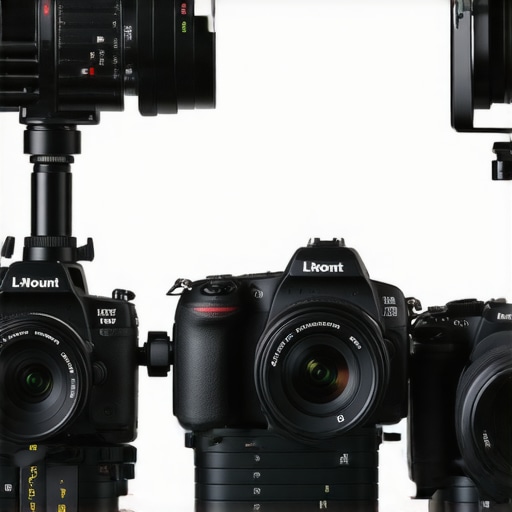
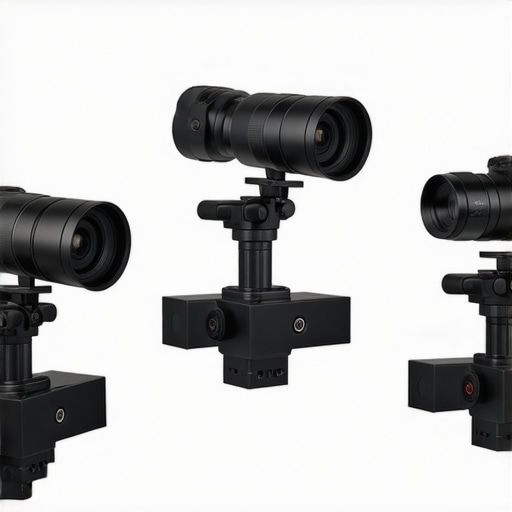
![Fix 256K Ghosting: 3 Prime Lenses With Nano-Shields [2026]](https://lenses.cinegearguide.com/wp-content/uploads/2026/04/Fix-256K-Ghosting-3-Prime-Lenses-With-Nano-Shields-2026.jpeg)
Leave a Reply