



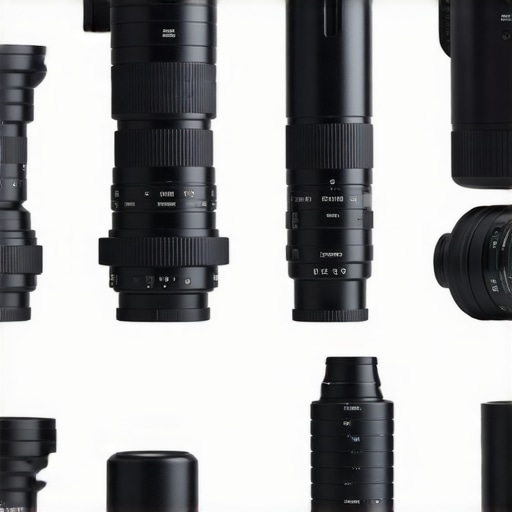
I’ll never forget the frantic moment on set when my beloved prime lens suddenly refused to work just as the scene reached its climax. Frustration, confusion, and a sinking feeling that I was about to lose the shot. That realization hit me hard—understanding lens mounts and compatibility isn’t just technical jargon; it’s the foundation of getting cinematic magic without delays or compromises. Over the years, I’ve learned that a small oversight in choosing the right lens or mount can turn a smooth shoot into a nightmare.
Why Getting Your Lens Setup Right Matters More Than Ever in 2025
In film production, time is money, and precision is everything. With the rapid evolution of camera technology and lens innovations, keeping up can feel overwhelming. Yet, the truth is, without a solid grasp of prime lenses, zoom lenses, lens adapters, and mounts, you might be shooting yourself in the foot before even rolling film. As I constantly reinvent my kit, I realize that selecting compatible, high-quality lenses and understanding their compatibility with your camera system can be the game-changer that elevates your work from good to breathtaking. Did you know that mismatched lens mounts can cause image degradation or even damage your gear? According to a recent industry report, improper lens-camera compatibility accounts for up to 30% of technical issues in professional film shoots. Navigating this landscape might seem daunting, but the good news is, with a few expert tips, you can avoid costly mistakes and make smarter choices. Have you ever faced delays or broken gear because of incompatible lens mounts? If so, you’re not alone. In the sections ahead, I’ll share practical insights and proven strategies to help you master your lens setup—ultimately enabling you to craft visuals that stand out in 2025.
Choose the Right Lens for Your Camera System
Selecting an appropriate lens begins with understanding your camera’s mount type. For example, a Sony E-mount camera won’t natively accept Canon RF lenses without an adapter. To make an informed decision, review your camera’s specifications and consider lenses that match or are compatible through reliable adapters. When I upgraded to a new Sony FX6, I meticulously researched compatible prime lenses and tested a few adapters before settling. This proactive approach saved me hours of troubleshooting on set and ensured sharp images every time.
Invest in Quality Lens Adapters
Lens adapters act as bridges between incompatible mounts, but their quality significantly affects image quality and reliability. Look for models with minimal glass elements to preserve sharpness, and verify that they support autofocus and image stabilization if needed. For instance, using a top-tier Metabones or Viltrox adapter improved my focus accuracy during handheld shots. To maximize adapter performance, consult detailed guides such as this resource, which offers insights into choosing the best options for cinematic work.
Practice Proper Mounting Techniques
Securely attaching lenses and adapters reduces vibrations and focus issues. Always align the mounting marks and gently turn until you hear a click, ensuring a firm connection. When I first started, I overlooked this step, leading to slight tilt in my shots. Now, I double-check connections and periodically clean lens contacts with a soft cloth. This simple routine prevents micro-movements that could degrade image quality and extends your gear’s lifespan.
Test Compatibility Before Shooting
Before heading to the set, perform thorough tests with your chosen lens and adapters. Check for focus accuracy, zoom stability, and image clarity by shooting test footage. I once found a subtle vignette caused by a mismatched adapter only days before a live shoot. Running these tests early allows you to troubleshoot and order replacements if necessary, avoiding costly delays. For detailed testing procedures, review this comprehensive guide.
Stay Updated with Technical Developments
Lens technology evolves rapidly, with new mounts, adapters, and lens designs emerging each year. Regularly visit sites like this resource to stay informed. Attending industry expos and webinars can also provide hands-on experience. A recent workshop on lens mounts introduced me to more versatile adapters that expanded my creative options, proving that staying current is key to maintaining professional quality.
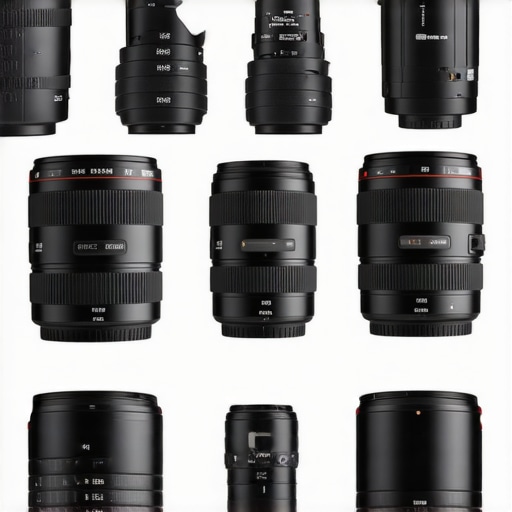 Many filmmakers believe that prime lenses are inherently superior to zoom lenses, but this is a misconception rooted in outdated perceptions. While prime lenses often offer wider apertures and sharper images, advances in zoom lens technology have closed the gap significantly, especially with today’s cine zooms designed for professional filmmaking. Relying solely on this myth can lead you to overlook versatile zoom lenses that adapt to dynamic shooting scenarios, saving time and effort on set. When it comes to cine lenses, a frequent trap is assuming that older models are irrelevant. However, many vintage cine lenses possess unique optical qualities that modern lenses can’t replicate, offering creative options worth exploring. As for lens adapters and mounts, a common mistake is neglecting compatibility nuances, which can cause image degradation or mechanical issues. Remember, not all adapters preserve optical quality equally; investing in high-quality adapters ensures you maintain sharpness and functionality. Advanced shooters recognize that understanding the subtle differences in lens mount tolerances and coatings can influence your final image, especially in challenging lighting conditions. According to industry expert Steve Yedlin, “Every element, from glass to mount, plays a role in image fidelity.” This nuanced approach helps avoid costly mistakes and unlocks the full potential of your kit. Have you ever fallen into this trap? Let me know in the comments. For deeper insights, check out [this comprehensive guide](https://lenses.cinegearguide.com/mastering-cine-lenses-the-ultimate-guide-for-filmmakers-in-2025) to cine lens choices and their nuanced applications.
Maintaining your cine lenses, adapters, and camera equipment is pivotal for achieving consistent, high-quality results over the long haul. Neglecting proper care can lead to degraded image quality, mechanical issues, or even costly repairs. One of my go-to tools for routine maintenance is a soft microfiber cloth, which I use daily to clean lens contacts and glass surfaces without risking scratches. For more in-depth cleaning, I rely on a specialized lens cleaning solution and a blower brush to remove dust from intricate parts, especially when swapping lens mounts or working with cine lenses that demand pristine optics.
Effective Strategies for Long-Term Lens Care
A key practice I swear by is regular lubrication of lens mounts and zoom mechanisms using manufacturer-recommended lubricants. This reduces wear over time and preserves focus accuracy, especially with heavy cine lenses subjected to frequent handling. Additionally, keeping lenses in dry, climate-controlled environments is critical. I store my kit in weatherproof, padded cases with silica gel packs that absorb moisture, protecting sensitive electronics and coatings from corrosion or fungus growth.
Tools That Make a Difference
Investing in high-quality, precision tools is indispensable. A reliable torque wrench for tightening lens mounts ensures consistent tension, preventing micro-movements during shoots. I also use a dedicated lens alignment tool that helps verify focus calibration, which is crucial when multiple lenses are involved. Software solutions like focus chart calibration tools provide an extra layer of precision, especially when working with zoom lenses and adapters that might introduce slight discrepancies. I personally prefer using the cinema lens calibration guide to keep my optics performing at peak levels.
Why Staying Ahead with Maintenance Matters
In the future, I predict that automated maintenance routines and AI-powered diagnostic tools will become part of professional filmmaking setups. These innovations will help detect subtle mechanical or optical issues before they escalate, saving time and money. Currently, establishing a routine maintenance schedule—checking focus calibration, inspecting for fungus or dust, and lubricating mounts—can significantly extend your gear’s lifespan. Regularly consulting trusted sources, like industry-specific guides, ensures you stay informed about the latest best practices and technological advancements.
How do I keep my lenses and adapters in prime condition over time?
The answer lies in daily care routines combined with investing in the right tools. Regular cleaning, gentle handling during lens swaps, and protective storage extend the life of your equipment. For example, routinely checking the torque on lens mounts with a precision wrench prevents focus shifts and mechanical failures. Additionally, updating calibration using software ensures optical performance remains consistent across different shooting conditions. Try integrating a silicone lens cleaning pen into your routine for quick surface dust removal—after all, small habits make a big difference in longevity and performance. For comprehensive insights on protecting your investment, review this resource.
Hindsight on Lens Compatibility Traps
One of the most valuable lessons I learned involved the subtle differences in lens mounts that, if overlooked, can derail a project—and sometimes even damage your gear. It’s easy to assume that all adapters are created equal or that vintage lenses will always work seamlessly. But my experience taught me that a tiny incompatibility can cause image softness or focus issues that are hard to diagnose during a critical shoot. Taking the time to verify precise tolerances and knowing the source of your adapters can save a lot of headaches, as highlighted in this detailed guide.
How Cutting-Edge Gear Transformed My Workflow
Investing in high-quality adapters and a precision toolkit revolutionized my filming process. The difference between a rough mount and a perfectly secured connection became clear when I saw sharper images, fewer focus shifts, and smoother zooms. Regular calibration sessions, backed by software like this comprehensive guide, became part of my routine, ensuring that my gear performs at its peak. It’s a small investment that yields big returns in image quality and peace of mind.
The Personal Touch with Vintage Lenses
In a world obsessed with the latest tech, I discovered that vintage cine lenses offer a unique character that modern lenses sometimes lack. Their optical imperfections—like slight chromatic aberrations or a dreamy softness—can add emotional depth to scenes. Understanding the nuances of mounting and maintaining these classics, as explained in this resource, opened up new creative avenues for me. This blend of old-world charm with modern compatibility is a reminder that sometimes, the best visuals come from respecting the history of filmmaking tools.
Embracing Ongoing Education for Cinematic Success
The film industry’s technology advances rapidly, and staying informed is essential. I make it a priority to follow expert blogs and attend webinars—like this essential guide—to keep my skills sharp. Regularly updating my knowledge about pristine lens mounting techniques and the latest adapters ensures I can adapt swiftly to new challenges. The more I learn, the more confident I become in pushing creative boundaries with my prime lenses, zooms, and adapters.
Resources That Changed My Filmmaking Approach
- Essential Guide to Cine Prime and Zoom Lenses: A cornerstone for understanding how to select and optimize lenses for any project.
- Lens Adapter Tips and Tricks: Helped me unlock the potential of second-hand lenses and unconventional solutions.
- Latest Industry Webinars and Workshops: Offer hands-on knowledge about the newest mounts and tech, keeping me ahead of the curve.
Striving for Continuous Improvement
Every filmmaker faces challenges with lens mounts and adapters, but embracing these lessons transform obstacles into opportunities. Regular care, precise calibration, and a willingness to explore vintage options are what set professionals apart. Remember, your gear’s reliability reflects your own dedication to quality—so invest thoughtfully and keep learning. The future of filmmaking is exciting, with innovative mount designs and smarter maintenance tools on the horizon. Don’t wait—start applying these insights today, and elevate your cinematic craft.

![Fix 256K Ghosting: 3 Prime Lenses With Nano-Shields [2026]](https://lenses.cinegearguide.com/wp-content/uploads/2026/04/Fix-256K-Ghosting-3-Prime-Lenses-With-Nano-Shields-2026.jpeg)
Leave a Reply