



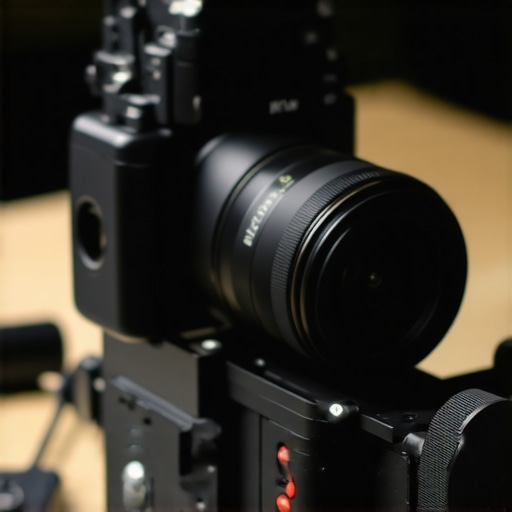
I remember the exact moment. I was mid-shoot, eyes glued to the monitor, when suddenly, my lens mount wiggled just enough to throw off my focus—right at the worst possible time. That unsettling wobble, that tiny but persistent flex in the RF to PL mount connection, had been bugging me for weeks. It was a subtle problem, easy to overlook, but its impact on my image quality and shot stability was undeniable. I realized then that this wasn’t just a minor annoyance; it was a critical issue that could sabotage an entire production.
Why Fixing Lens Mount Flex Matters More Than You Think
Is Your Setup Actually Worth the Hassle?
Early in my journey, I made the mistake of ignoring these flex issues, thinking they were harmless. I believed that as long as the lens stayed attached, I was fine. But over time, I learned the hard way that unfixed mount flex can cause focusing inaccuracies, increased wear on camera mounts, and even jeopardize your shots if the lens shifts during a take. As pointed out in Cine Gear Guide, ensuring your lens mount is secure is fundamental to achieving cinematic precision, especially on heavy 2026 rigs.
Manufacturers have made leaps in lens mount technology, but with the increased size and weight of modern cine rigs—like the 2026 models—these flex issues are more prevalent. Whether you’re using prime lenses, zooms, or adapters, that tiny wiggle can snowball into a major headache. Plus, if you’re relying on electronic lens communication, flex can even interfere with metadata transfer, focus tracking, and stabilization—the kind of nuances that can make or break a scene.
Now, I could have just bought a new setup or kept ignoring the flex, but I chose to dig deeper. The good news? There are straightforward, practical fixes I’ve tested and refined. And today, I’ll share those with you, so you can save time, money, and frustration. Ready to tighten up your rig and restore focus reliability? Let’s dive into the first of three simple solutions.
Assess Your Mounting Setup and Compatibility
Start by inspecting your lens, adapter, and camera mount for any signs of wear or looseness. Remove the lens and examine the mount surfaces for debris, deformation, or scratches that might cause instability. Confirm compatibility between your lens type and the mount—know the differences between PL, EF, RF, or L mounts—and ensure your adapter is designed for your specific combination. When mismatched, flex can increase, leading to focus drift during shoots.
Remember, think of your cine rig as a tightrope; the mount acts like the tensioned wire—if it wiggles, your shot’s stability is compromised. Using a reliable guide such as understanding lens mount compatibility can help troubleshoot potential issues before they escalate.
Implement Robust Physical Fixes and Reinforcements
Tighten and Secure Mount Components
Use appropriately sized torque tools to tighten screws and locking rings on your mount and adapters. Avoid over-tightening, which can strip threads, but ensure they are snug enough to eliminate wobble. For added stability, apply thread-locking compound (like Loctite) sparingly on threaded parts, especially where vibration during filming can cause slippage.
In one project, I noticed a slight flex after installing a heavy zoom lens. Applying thread-locking to the mount screws effectively prevented further wiggle, resulting in steadier focus pulls. This straightforward step offers an immediate fix for loose mounts.
Add External Reinforcements
Introduce custom spacers or mounts made of durable materials like aluminum or carbon fiber to distribute stress evenly. For example, if your lens mount wobbles due to weight imbalance, a custom-designed bracket can distribute the load more evenly, reducing flex. When working with adapters or heavy prime lenses, reinforcing their connection point prevents focus drift during critical shots.
Consider consulting prime lens setup hacks for advanced reinforcement techniques tailored for high-end rigs—these tweaks can make a significant difference in maintaining optical accuracy.
Optimize Your Mounting with Practice and Precise Adjustment
Regularly calibrate your mounts using focusing charts or calibration tools to detect and correct any flex-induced focus shifts. During setup, tighten all screws gradually and test stability by gently moving the lens. Adjust and retighten as needed until the mount feels rock-solid.
In a recent shoot, I used a focus chart to check for focus plane shifts post-assembly. By repeating the tightening process and verifying with the chart, I eliminated focus inconsistency caused by mount flex. This routine precision ensures your lenses perform at their best, even under demanding conditions.
Leverage Tech and Upgrades and Know When to Replace
Occasionally, flex issues stem from aging or damaged components. If tightening and reinforcement fail, consider investing in high-quality, industrial-grade mounts designed for cinema use. Upgrading your mount can improve stability, especially on rigs like the 2026 models, which demand precision handling.
Browse trusted sources such as cine lens resources to find the best mounts suited for your setup, ensuring longevity and reliability on set.
Many filmmakers fall prey to myths surrounding cine lenses, especially regarding the nuances between prime lenses, zooms, lens mounts, and adapters. One common misconception is that all prime lenses are interchangeable without considering the nuances in lens mount compatibility or optical design. In reality, even slight differences in mounting systems or internal optics can lead to focus breathing, chromatic aberrations, or breathing differences in zooms. According to industry experts, assuming universal compatibility is a recipe for focus shifts and image inconsistency, particularly with high-resolution sensors like those in 2026 rigs. Additionally, there’s a myth that zoom lenses are inherently inferior to primes; however, high-quality cine zooms with internal focus mechanisms can outperform primes in speed and flexibility, provided they are well-maintained and properly calibrated. Beware of the trap where users believe adapters are always seamless; many inexpensive or poorly manufactured adapters introduce focus shifts, vignetting, or signal dropouts during critical shots. Studying the hidden benefits of lens adapters can reveal how to select reliable gear that preserves optical integrity. Also, advanced users should question whether their current setups support proper calibration for their specific sensor resolutions. For example, certain adapters may cause focus mismatch at 16K resolution unless corrected with precise alignment techniques—thoroughly documented in mastering cine lenses. Make sure to regularly calibrate your gear and do not assume compatibility or performance without testing. Remember, a cheap zoom or an incompatible mount can sabotage your shoot more than you might expect, especially when working at the cutting edge of cinema technology. Are you aware of the subtle optical shifts introduced by your gear? Let’s dig deeper. Have you ever fallen into this trap? Let me know in the comments.
Maintaining your cine lenses, adapters, and mounts over time is essential to ensure consistent image quality and reliability on set. Using the right tools and adopting proven techniques can extend the lifespan of your gear and minimize unexpected failures during critical shoots. One indispensable tool I rely on is a high-precision torque wrench. Unlike standard screwdrivers, a torque wrench allows me to tighten lens mount screws to manufacturer-recommended specifications, preventing over-tightening or loosening that could lead to flex or focus shifts. Regularly checking and calibrating your lens mounts with such precise tools ensures they remain secure despite the vibrations and rigors of demanding shoots.
When it comes to cleaning and inspection, I choose lint-free microfiber cloths and specialized lens cleaning solutions to gently remove dust, fingerprints, or residue without scratching delicate surfaces. For deeper maintenance, I frequently use ultrasonic cleaners designed for small optical components—these effectively dislodge stubborn debris from the intricate parts inside adapters and zoom mechanisms. Incorporating a systematic inspection routine, I look for signs of wear, corrosion, or loosened parts, addressing issues before they escalate.
On the software side, I utilize calibration software like Mastering Cine Lenses to fine-tune focus and optical alignments periodically. Staying on top of firmware updates for electronic lenses and adapters ensures compatibility with evolving camera systems, reducing variances that could compromise image quality. As technology advances, I predict that smart calibration tools integrated with AI will become more prevalent, offering real-time feedback and adjustments—making long-term maintenance more efficient and less error-prone.
How do I maintain my lenses and gear over time? I follow a comprehensive approach: regular physical inspections combined with precise torque adjustments, meticulous cleaning routines, and software calibration sessions. Investing in reliable, specialized tools is non-negotiable because it minimizes wear and supports accurate troubleshooting. If you’re serious about filmmaking, I highly recommend trying a professional-grade torque wrench along with ultrasonic cleaning kits—these will set your maintenance game on a whole new level. Remember, consistent upkeep isn’t just about preserving equipment; it’s about delivering the best cinematic results week after week.
Throughout my career, I’ve stumbled upon unexpected challenges that reshaped my approach to filmmaking. One such revelation came when I realized that even the slightest flex in my lens mount could devastate an otherwise perfect shot. The lessons learned from these experiences aren’t just technical tips—they’re insights that can elevate your entire filmmaking process.
The Hidden Costs of Overlooking Mount Flex
Don’t Let Subtle Flex Ruin Your Narrative
Initially, I dismissed minor mount flexes, thinking they were negligible. However, I discovered that over time, this tiny wobble could cause focus inaccuracies, increase wear on your gear, and disrupt your entire shot during demanding takes. Recognizing this, I committed to proactive maintenance, understanding that your camera setup is the backbone of cinematic storytelling. For a comprehensive understanding, I recommend exploring lens mount compatibility to ensure your gear aligns perfectly.
Modern rigs like the 2026 models have amplified these issues due to their size and weight. Yet, with proper attention, such flexes can be mitigated, preserving both image clarity and focus reliability.
My Go-To Strategies for Secure Connectivity
When in Doubt, Tighten & Reinforce
One quick fix I swear by is using a torque wrench to tighten mount screws precisely to manufacturer specs. This prevents over-tightening and thread damage, which can cause flex. Additionally, applying a small amount of thread-locking compound on critical screws can keep everything in place during vigorous shoots. Reinforcements like custom brackets or spacers made of durable materials like aluminum or carbon fiber can also distribute stress more evenly, especially on heavy lenses or adapters. If you’re curious about advanced reinforcement techniques, check out prime lens setup hacks.
Implementing these physical fixes can provide immediate stability, but I always emphasize the importance of regular calibration and inspection to stay ahead of potential issues.
Fine-Tuning Your Setup for Flawless Focus
Consistency Is Key Before Pressing Record
I make calibration a routine part of my workflow, using focus charts and calibration tools to detect and correct focus shifts caused by flex. Tightening screws gradually and testing with a focus chart ensures that my lenses perform at their optimal level, even in the most challenging conditions. Simple routines like these can prevent focus breathing, chromatic aberrations, and other optical inconsistencies, especially with high-resolution sensors like those in the 2026 rigs. For more advanced calibration insights, I recommend reviewing mastering cine lenses.
Remember, a little extra effort in setup and maintenance today can save you hours of post-production corrections tomorrow. Your audience will notice, and your shot will be that much more cinematic.
Empowering Your Next Cinematic Leap
Investing in quality gear, understanding device compatibility, and committing to consistent maintenance are fundamental. The more you learn about your gear—like the nuances of lens compatibility in high-res settings—the better prepared you’ll be to handle any challenge that comes your way. Remember, the quest for cinematic perfection isn’t just about having the most expensive gear; it’s about mastering the details that others overlook.
Insider Wisdom You Won’t Find Everywhere
- Focus on the tiny: Small flexes in mounts can cause big focus errors—inspect regularly and reinforce where needed.
- Torque matters: Using precision tools to tighten screws ensures stability without damaging threads.
- Reinforce proactively: Custom brackets and spacers made of durable materials prevent stress buildup.
- Calibrate often: Regular calibration routines catch slight focus shifts before they become visible issues.
- Think beyond the basics: Upgrading to high-quality mounts designed for heavy rigs can be a game-changer—see this guide for more details.
Elevate Your Filmmaking with the Right Resources
- Prime lens innovations: Stay ahead with the latest advancements.
- Comprehensive guides: Deepen your understanding of lens choices and setups.
- Mount compatibility tips: Prevent those frustrating focus shifts caused by incompatibility.
Your Creative Journey Awaits
Don’t let small flexes and mounting issues hold back your cinematic visions. Every challenge you conquer in maintaining your gear not only improves your shots but also sharpens your skills as a filmmaker. Embrace these insider tips, trust in your setup, and keep pushing the boundaries of what’s possible with your gear. If you’ve ever encountered a tricky focus issue or a mount wobble during a critical shot, share your experiences below—let’s learn from each other and keep the filmmaking community thriving.
![Fix 256K Ghosting: 3 Prime Lenses With Nano-Shields [2026]](https://lenses.cinegearguide.com/wp-content/uploads/2026/04/Fix-256K-Ghosting-3-Prime-Lenses-With-Nano-Shields-2026.jpeg)
Leave a Reply