



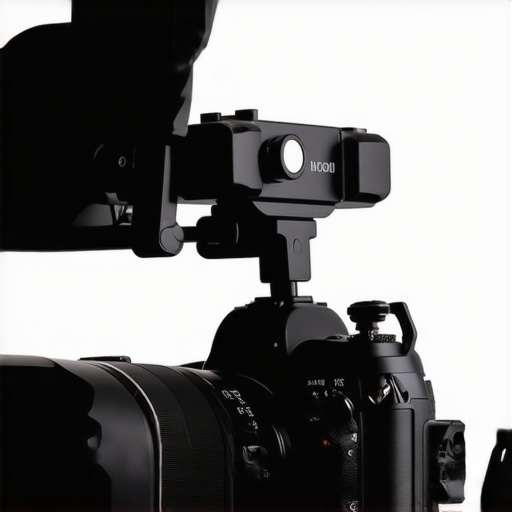
Ever had that sinking feeling while filming, where your gear just doesn’t cooperate? I remember the first time I tried to switch between lenses mid-shoot, only to realize I had the wrong adapter. The frustration was real, and I felt like I was wasting time and risking my shot. That lightbulb moment made me realize how crucial the right cine lenses and adapters are for seamless filmmaking, especially in 2025 where technology evolves faster than ever.
Why Your Filmmaking Needs the Right Cine Lenses & Adapters Now
Choosing the ideal lenses and adapters isn’t just about getting a crisp shot; it’s about creating a smooth, worry-free workflow. If you’ve ever faced compatibility issues or struggled with lens performance, you know how disruptive it can be. The good news? There are practical solutions that can make your setup more adaptable and reliable. Today, I promise we’ll explore how to select the best cine lenses and adapters that align with your creative vision and technical needs, ensuring your projects are seamless from start to finish.
Is It Really Worth Investing in the Right Cine Lenses & Adapters?
Early in my journey, I made the mistake of buying generic adapters without checking compatibility. That oversight cost me valuable shooting time and quality. Now, I always recommend understanding your gear thoroughly—something you can learn more about in understanding lens mount compatibility. If you’re serious about elevating your filmmaking game in 2025, investing in the right equipment isn’t optional; it’s essential. Ready to make smarter choices? Let’s dive into how to pick the perfect cine lenses and adapters for your needs, avoiding the pitfalls I once fell into.
Start with Compatibility Checks
Before investing in any cine lenses or adapters, verify their compatibility with your camera system. Think of it like fitting a key into a lock; if they don’t match, nothing turns. Use resources like understanding lens mount compatibility to ensure your gear will work together smoothly. I once bought a lens adapter without checking the mount details, which led to a week of frustration until I realized it was incompatible. Always double-check specs to save time and avoid headaches.
Choose the Right Lens Mounts
Lens mounts are the backbone of your setup, dictating what lenses you can use and how easily you can switch between them. For example, Sony’s E-mount offers flexibility for mirrorless shooters, while PL mounts are industry staples for cinema cameras. When I upgraded my kit, I selected a versatile adapter that supported multiple mounts, which made my workflow more adaptable. To get it right, explore options like how to choose the right lens mount adapters. This step ensures you’re not limited by your hardware choices.
Invest in High-Quality Adapters
Adapters are like the bridge connecting your lenses and camera body. A flimsy or poorly made adapter can introduce issues like misfocus or light leaks. I recommend opting for premium adapters that provide secure locking mechanisms and minimal optical compromises. For instance, I recently upgraded to a cine-grade adapter, which improved my image sharpness and stability. To discover the best options, check out best cine lens adapters for 2025. Remember, a good adapter is an investment in reliability and image quality.
Mastering the Art of Lens Selection
Choosing the right lenses involves understanding your project’s needs. For narrative films, prime lenses like those highlighted in top cine prime lenses for 2025 deliver sharp images with beautiful bokeh. For dynamic shoots, zoom lenses such as those in top cine zoom lenses for 2025 provide flexibility. I once started a project with only primes, but adding a versatile zoom saved me time and allowed for more creative shots. Study your genre and choose lenses that complement your storytelling style.
Optimize Your Setup with Proper Techniques
Once your gear is selected, fine-tune your setup for optimal performance. Use lens support systems, matte boxes, and follow focus units to keep your shots stable and professional. Also, consider using lens mount tips to maximize focus accuracy and minimize optical issues. I once faced focus drift during a crucial shot, which I corrected by adjusting my follow focus, saving the scene. Small adjustments like these can make a big difference on set.
Stay Updated with Industry Innovations
The world of cine lenses and adapters is constantly evolving. Keep an eye on new releases and technological advancements by exploring resources such as prime and zoom lens tips for 2025. This knowledge helps you leverage innovations like faster autofocus, improved coatings, and lighter materials, which can significantly enhance your filmmaking process. Regularly updating your gear and techniques ensures you stay competitive and creative in 2025’s fast-paced industry.
Many filmmakers fall into the trap of assuming that selecting the most popular or expensive cine lenses automatically guarantees the best results. However, this misconception overlooks the nuanced factors that truly impact your filmmaking quality. One of the most overlooked aspects is understanding the hidden nuances of lens compatibility and optical performance, which can make or break your shot. For instance, a common mistake is ignoring the impact of lens coatings on flare and contrast. Advanced coatings can significantly reduce lens flare and improve color rendition, especially in challenging lighting conditions, as noted by industry expert CineGear. Failing to consider these details can lead to washed-out images or unwanted artifacts, even with high-end gear.
Another misconception is that all adapters are created equal. In reality, low-quality adapters often introduce optical misalignments, focus inconsistencies, or light leaks that degrade image quality. The “oops” factor here is investing in cheap adapters without researching their build quality or locking mechanisms. A poorly secured adapter can cause focus drift or even damage your camera mount over time. This is why I emphasize the importance of choosing high-quality adapters, as discussed in best cine lens adapters for 2025. Remember, an adapter is not just a connector but a critical component that influences your entire image chain.
What Advanced Filmmakers Should Know About Lens Mounts and Future Compatibility
One often overlooked nuance is the evolving landscape of lens mounts and how they affect future-proofing your equipment investments. Many assume that their current mount will remain compatible as technology advances, but this is a risky assumption. For example, newer mounts like RF or L-mount offer advantages in terms of size and speed, but may limit backward compatibility with older lenses. Conversely, some older mounts may not support newer lens coatings or electronic communication, which are essential for features like autofocus or metadata transfer. Experts recommend thoroughly researching your gear’s compatibility with upcoming models and considering modular solutions. As detailed in understanding lens mount compatibility, staying ahead of these nuances ensures your investments remain viable for years to come. Have you ever fallen into this trap? Let me know in the comments.
By paying attention to these hidden details—optical coatings, adapter quality, and future compatibility—you can avoid costly mistakes and elevate your filmmaking craft. Remember, the devil is in the details, and mastering these nuances will set you apart as a seasoned professional in 2025. For more in-depth tips and expert advice, don’t hesitate to reach out.
Maintaining your cinematic gear is just as crucial as selecting the right lenses and adapters. Over the years, I’ve learned that consistent upkeep and reliable tools ensure your workflow remains smooth, especially when shooting on tight schedules or demanding locations. Today, I’ll share the specific tools I rely on and the best practices to keep your equipment in top shape for years to come.
Invest in a Quality Lens Cleaning Kit
Nothing hampers image quality more than smudged lenses or sensor dust. I personally swear by a comprehensive lens cleaning kit that includes an optical blower, microfiber cloths, and lens cleaning solutions. Regularly cleaning your lenses prevents dust buildup and keeps your images crisp. Remember, always use a blower before wiping and never touch the glass with your fingers. Proper cleaning extends the lifespan of your lenses and maintains their optical performance.
Use a Durable Storage System
Data management is vital in filmmaking. I recommend a rugged, portable SSD like the Samsung T7 series, which offers fast read/write speeds and withstands rough handling. Backing up footage immediately after each shoot prevents data loss. Additionally, invest in multiple storage drives and organize your files systematically, so you can locate footage quickly during editing. This practice saves time and prevents frustration when deadlines are tight.
Choose a Reliable Power Solution
Power issues can halt production altogether. I rely on high-capacity V-mount batteries from brands like IDX or Bebob, which provide long-lasting power for cameras, monitors, and accessories. Always carry extra batteries and a portable charger or power station. This ensures your gear stays powered through long shooting days, especially in remote locations where power outlets are scarce.
Implement Regular Firmware Updates
Camera systems and lenses often receive firmware updates that fix bugs and improve performance. I make it a habit to check manufacturer websites every few months for updates, ensuring my gear benefits from the latest enhancements. Staying current reduces unexpected issues during shoots and optimizes your equipment’s capabilities, like autofocus speed and image stabilization. Visit this resource for more on maintaining compatibility and performance.
Maintain Your Camera Rig with Proper Tools
Invest in a good set of tools like Allen wrenches, lens spanners, and screwdrivers designed for camera hardware. I keep a dedicated toolkit to tighten screws, replace mounts, or make quick adjustments on set. These small tools prevent damage and ensure your rig stays stable during complex shots. Regularly inspect your gear for loose screws or wear and replace parts as needed to avoid malfunctions during critical scenes.
Plan for Long-Term Upkeep
In the future, I predict a rise in smart maintenance tools integrated with IoT technology—think sensors embedded in equipment that notify you of wear or the need for calibration. For now, adopting routine checks and using high-quality tools will safeguard your investment. Remember, consistent maintenance not only prolongs the life of your gear but also guarantees consistently stunning visuals when it counts.
Ready to take your maintenance routine to the next level? Start by investing in a reliable cleaning kit and a sturdy storage system today. Your future self will thank you when your gear performs flawlessly on set, every time.
The Hardest Lesson I Learned About Cine Gear
One of the toughest lessons I faced was realizing that not all lenses are created equal, especially when it comes to optical coatings. I once assumed that a high-end lens would perform flawlessly in all conditions, but I overlooked how coatings can reduce flare and enhance contrast. This oversight cost me a shot in bright sunlight, reminding me that tiny details matter more than I initially thought.
My Essential Toolkit for Cinematic Filmmaking
Over the years, I’ve curated a set of must-have tools that keep my gear in top shape and ready for any shoot. My favorite is a high-quality lens cleaning kit because pristine optics are non-negotiable. I also rely on a rugged SSD for quick data transfer and a reliable power station to keep everything running smoothly. These tools may seem simple, but they’re vital for professional results.
Your Turn to Make Waves with Cine Lenses
Now it’s your move. Whether you’re just starting out or upgrading your kit, understanding the nuances of lens compatibility, coatings, and adapters will elevate your filmmaking. Don’t wait to master these details—your future projects depend on it. Dive into the world of cine lenses and adapters with confidence, and watch your creative potential soar. Have you ever struggled with lens compatibility? Share your story below and let’s learn together.


![Fix 256K Ghosting: 3 Prime Lenses With Nano-Shields [2026]](https://lenses.cinegearguide.com/wp-content/uploads/2026/04/Fix-256K-Ghosting-3-Prime-Lenses-With-Nano-Shields-2026.jpeg)
Leave a Reply