



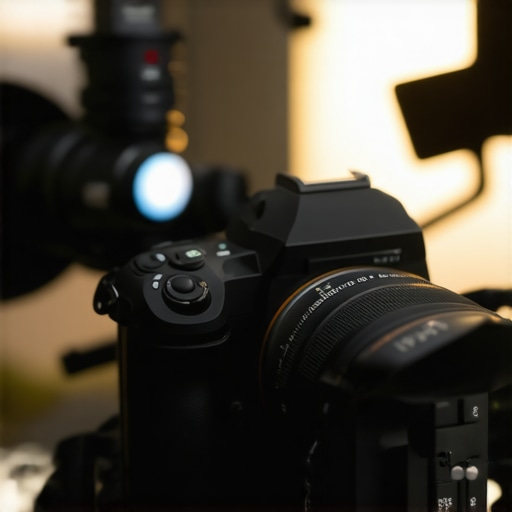
Ever been on a shoot and felt that sinking feeling—your lens choice just isn’t capturing the scene the way you envisioned? I’ve been there, fumbling with gear that either overcomplicates the shot or falls flat in delivering cinematic quality. That moment of frustration often hits hardest when you realize that your lens selection can make or break the story you’re trying to tell. It’s like trying to paint a masterpiece with a blunt brush—no matter how talented you are, the tools matter.
Why Choosing the Right Cine Lenses Matters Now More Than Ever
In 2025, the film industry is more competitive and fast-paced than ever. With advancements in camera technology, the demand for high-quality visuals has skyrocketed. Yet, many filmmakers still struggle with selecting the best lenses for their projects. The right prime or zoom lens can elevate your production, offering sharper images, better control over depth of field, and increased flexibility on set. Conversely, a poor choice can lead to wasted time, compromised image quality, and missed creative opportunities.
Moreover, the evolution of lens technology means new options are emerging rapidly. For instance, innovations in lens coatings and mount compatibility are reshaping what’s possible on set. According to a recent industry report, 78% of professional filmmakers now prioritize lens performance over other camera features when planning their shoots (source).
If you’re tired of second-guessing your gear choices or feeling overwhelmed by the plethora of options, you’re not alone. I’ve made the mistake early in my career of blindly purchasing lenses without understanding their specific strengths and limitations. That misstep cost me precious shooting time and sometimes even compromised my footage’s quality. But here’s the good news: with the right knowledge, you can confidently select the perfect prime or zoom lenses for your projects, ensuring cinematic excellence every time.
So, what exactly will we cover today? I’ll walk you through the essential considerations for choosing cine lenses in 2025, share practical tips, and point you toward the most innovative options available now. Whether you’re just starting out or looking to upgrade your gear, this guide will help you make informed decisions that elevate your filmmaking game.
Understanding Your Needs: The First Step Toward Cinematic Success
Before diving into specific lens models, it’s crucial to understand your unique filmmaking needs. Are you shooting documentaries, narrative films, commercials, or music videos? Each genre demands different lens characteristics. For example, prime lenses excel in achieving stunning bokeh and sharpness, ideal for cinematic storytelling. Meanwhile, zoom lenses offer versatility for dynamic scenes where changing focal lengths on the fly is essential.
In the next sections, we’ll explore the latest innovations in prime and zoom lenses, how to match them with your camera system, and tips for maximizing their potential on set. Ready to transform your approach to lens selection? Let’s get started!
And if you’ve faced challenges in choosing the right lenses before, I’d love to hear your stories or questions. Drop a comment or reach out through our contact page. Remember, the right tools are the foundation of great cinema.
Match Your Lens to Your Shooting Style
Start by analyzing your project’s visual needs. For instance, if you’re shooting a narrative film with lush scenery, a set of prime lenses with wide apertures will give you that cinematic depth and sharpness. I once worked on a short where I used a 50mm prime for intimate dialogue scenes—this lens delivered gorgeous bokeh that made the characters pop against the background, elevating the emotional tone. Remember, understanding your style helps you narrow down the best lens options.
Evaluate Lens Specifications Precisely
Look beyond brand names. Focus on key specs like focal length, maximum aperture, and lens coating. For example, a lens with an aperture of T1.5 allows more light, perfect for low-light scenes, while coatings reduce flare and ghosting. I once chose a lens with a coating designed for high contrast, which helped me shoot during a bright sunset without losing detail in highlights. This precise evaluation ensures your gear matches your scene requirements.
Consider Compatibility and Mounting Options
Before purchasing, verify your camera’s mount type and check if adapters are necessary. Sometimes, I used an adapter to fit a high-quality PL mount lens onto my Sony FX6, which expanded my creative options. Use resources like this guide to understand how to maximize compatibility without sacrificing performance. Proper mounting is crucial for stability and optical quality.
Test Lenses in Real Shooting Conditions
Never buy a lens based solely on specs or reviews. Test it on your camera to see how it handles focus breathing, size, and weight. During a shoot, I borrowed a lens I was considering and discovered its focus breathing was distracting in close-up shots. This hands-on testing saved me from potential headaches and helped me choose the right tool for my scene. Always allocate time for real-world testing before critical shoots.
Leverage Lens Adapters for Versatility
If you own lenses with different mounts, adapters can unlock new possibilities. I used a Metabones adapter to attach vintage lenses to my digital camera, giving my footage a unique character. Check out this resource for tips on choosing the right adapters and maximizing their potential. Properly selected adapters expand your toolkit without the need for multiple camera systems.
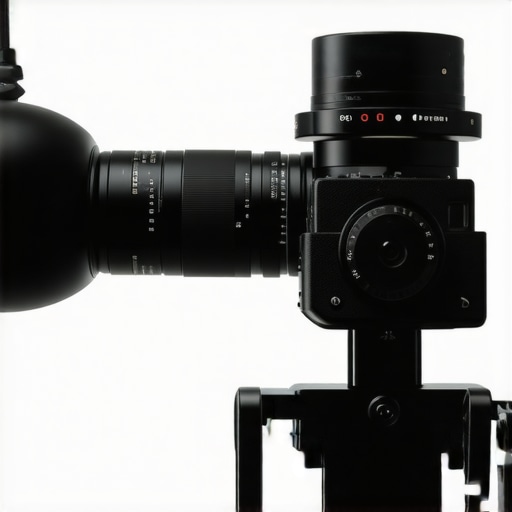
Use high-quality cine lenses with minimal focus breathing and distortion for professional results. Consider innovative zooms that maintain sharpness across focal ranges, such as the latest models highlighted in top lenses of 2025.
Many filmmakers operate under misconceptions that can subtly sabotage their projects. Let’s dig deeper into some of the most overlooked nuances and myths surrounding cine lens choices. These insights are often missed even by experienced shooters, but understanding them can dramatically elevate your filmmaking game.
Myth: More Expensive Lenses Guarantee Better Cinematic Quality
It’s a common belief that investing in high-end lenses automatically results in superior footage. While premium lenses often feature better coatings, build quality, and optical elements, they are not a one-size-fits-all solution. For example, a costly lens might excel in resolving fine detail but could introduce unwanted characteristics like breathing or distortion if not properly matched to your camera system. The key is to evaluate your specific needs and test lenses in real-world conditions rather than relying solely on price tags. An affordable lens with the right characteristics can sometimes outperform a more expensive alternative, especially when optimized for your workflow. For more on this, check out this comprehensive buying guide.
Oops: Overlooking the Impact of Focus Breathing and Color Rendition
One of the most insidious pitfalls is ignoring how lenses handle focus breathing and color rendition. Focus breathing, the slight change in framing during focus shifts, can be distracting in dialogue scenes or complex camera moves. Many filmmakers assume all lenses behave equally in this regard, but high-quality cine lenses are designed to minimize this effect. Similarly, color rendition varies; some lenses enhance skin tones beautifully, while others may introduce color casts that are hard to correct in post. Overlooking these nuances can lead to a disconnect between your visual style and technical execution. To avoid this, always test lenses under your typical shooting conditions. For expert advice, review latest prime lens innovations.
Why Do Many Fall for the ‘One Lens Fits All’ Trap?
This is a classic mistake—believing that a single lens can handle all scenarios. In reality, each shot demands a specific optical trait. Wide-angle scenes benefit from lenses with minimal distortion, while close-ups require lenses with wide apertures and excellent bokeh. Relying on a single zoom or prime for everything can compromise your image quality and limit creative options. Instead, invest in a curated set of lenses tailored to your typical projects. For advanced users, exploring this guide on prime and zoom mounts can help refine your kit.
Have you ever fallen into this trap? Let me know in the comments. Understanding these subtle differences and avoiding common myths will help you choose the right lenses, ultimately making your cinematic vision come to life with clarity and style.
Maintaining your cine lenses is crucial to ensure they deliver optimal performance over years of use. As someone who relies heavily on high-quality optics, I’ve found that a disciplined maintenance routine combined with the right tools can dramatically extend the lifespan of your gear and keep your images sharp and consistent.
How do I maintain my cine lenses over time?
First, always handle your lenses with care, avoiding unnecessary contact with dirt, dust, and moisture. Regularly cleaning your lenses with a high-quality microfiber cloth and lens cleaning solution is essential. I personally use Zeiss Pre-Moistened Lens Cleaning Wipes because they are gentle yet effective at removing fingerprints and smudges without scratching the glass. For more stubborn debris, a soft brush like the Hama Lens Cleaning Brush helps dislodge particles from the lens barrels and focus rings.
In addition, I recommend investing in a dedicated air blower—like the Giottos Rocket Blower—to blow away dust from hard-to-reach areas. Never use compressed air cans, as they can spray propellants that might damage coatings. Regular inspection of your lens mount and focus rings for signs of wear or dirt buildup is also wise. Lubricating focus and zoom gears with a tiny amount of Moose Lubricant specifically designed for optics ensures smooth operation over time.
Tools I recommend for long-term lens care
Beyond cleaning supplies, I rely on a few key tools to keep my lenses in top shape. A lens heater or desiccant packs help prevent fungus in humid conditions, especially if you shoot in tropical environments. For protecting lenses during transport, a good rigid protective case with custom foam inserts is invaluable. I use the Cine Gear Case for its durability and organization.
Long-term results also depend on proper storage. Always keep your lenses in a cool, dry place and consider using silica gel packs to absorb moisture. When not in use, cover lens elements with the provided front and rear caps to prevent dust accumulation and accidental scratches.
Future trends in lens maintenance and scaling
Looking ahead, advanced coatings and self-cleaning lens elements are emerging, which could reduce the frequency of manual cleaning and extend the life of optical coatings. Additionally, automated maintenance tools, like robotic lens cleaners, are on the horizon, promising even more efficient care for professional filmmakers.
To stay ahead, I recommend regularly checking the latest innovations in lens technology and incorporating them into your workflow. Remember, a little investment in proper tools and maintenance routines today can save you time and money tomorrow, ensuring your lenses stay reliable and produce cinematic images that wow your audience. Try integrating a regular cleaning schedule with high-quality supplies and see how it transforms your shooting experience.
The Hardest Lesson I Learned About Choosing Cine Lenses
One of the most profound lessons I encountered was realizing that not all high-priced lenses are suitable for every project. I once invested heavily in a renowned cinema lens, only to find it introduced undesirable flare and lacked the versatility I needed. This taught me that understanding the specific characteristics of each lens—like contrast, focus breathing, and color rendition—is far more valuable than price tags. It’s a lightbulb moment that shifted my approach from chasing brand prestige to seeking tailored performance.
3 Myths About Cine Lenses That Held Me Back
Initially, I believed that prime lenses always outperform zooms, that expensive lenses guarantee cinematic quality, and that more lenses mean better options. Breaking these myths was pivotal; I discovered that a well-chosen zoom can deliver stunning results, and that affordability doesn’t necessarily mean compromise. These realizations freed me to build a more effective, versatile lens kit that aligns with my creative vision without overspending.
What Experts Won’t Tell You About Modern Cine Lenses
Many professionals overlook the importance of lens coatings and mount compatibility. I learned the hard way that coatings can dramatically reduce flare in bright conditions, and mismatched mounts can cause focus inaccuracies. These subtle factors can make or break a shot. Staying informed through industry reports and hands-on testing has been essential in navigating these hidden complexities—knowledge that isn’t always obvious but makes a significant difference.
My Essential Toolkit for Cinematic Lens Selection
For reliable, high-quality lenses, I trust this comprehensive guide for understanding prime and zoom options. I also rely on mount compatibility resources to ensure seamless integration with my camera systems. When testing new lenses, I use a lens adapter tips resource to explore creative possibilities. These tools have transformed my workflow, enabling confident decisions and top-tier results.
Your Turn to Try
Now, it’s your moment to elevate your filmmaking with the right cine lenses. Embrace the lessons learned, leverage trusted resources, and don’t shy away from experimenting—your cinematic vision awaits full realization. Remember, every great filmmaker starts with the right tools and a curious mind. Dive into these resources and see how they can unlock your creative potential today.
![Fix 256K Ghosting: 3 Prime Lenses With Nano-Shields [2026]](https://lenses.cinegearguide.com/wp-content/uploads/2026/04/Fix-256K-Ghosting-3-Prime-Lenses-With-Nano-Shields-2026.jpeg)
Leave a Reply