



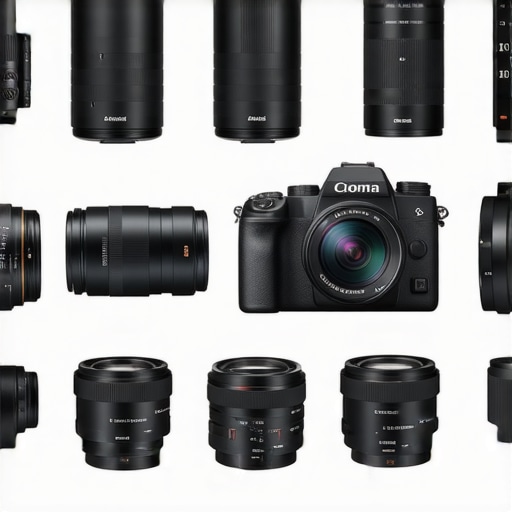
My Personal Journey into the World of Prime Lenses and Lens Mounts
As an avid filmmaker, I vividly remember the first time I held a prime lens in my hands. The clarity, the depth of field, and the way it transformed my footage were eye-opening. I was working on a small indie project, and choosing the right lens felt daunting, but it became a turning point in how I approached cinematography. Over the years, my experience has taught me that selecting the best prime lens and lens mount isn’t just about technical specs—it’s about understanding your creative needs and the technical nuances that can elevate your storytelling.
Understanding the Magic Behind Prime Lenses
Prime lenses have a charm that zooms can’t replicate. Their fixed focal length often results in sharper images and better low-light performance. When I first explored prime lenses, I was surprised at how much more I could control my composition and focus. They allow for a more cinematic look, which is why I now prefer using them for most of my projects. Choosing the right prime lens involves considering factors like aperture size, focal length, and image stabilization. For instance, a 50mm f/1.4 lens became my go-to for interviews because of its beautiful background blur and versatility.
Deciphering Lens Mounts: Compatibility and Future-Proofing
One of the most overlooked aspects when selecting lenses is understanding lens mounts. Different cameras and lenses use various mounts—like Canon RF, Sony E-mount, or Micro Four Thirds—and compatibility can be tricky. I learned this the hard way when I bought a lens that didn’t fit my camera. To avoid this, I always check the lens mount compatibility and whether I might need an adapter. A helpful resource I found is the [Understanding Lens Mount Compatibility](https://lenses.cinegearguide.com/understanding-lens-mount-compatibility-to-enhance-your-filming-experience), which clarified many doubts I had. It’s crucial to choose a lens mount that aligns with your camera system and future upgrades.
What Makes a Prime Lens Ideal for Cinema?
When I seek a prime lens for cinema projects, I look for several key features: a wide aperture for low-light scenarios, excellent optical quality, and a smooth focus ring for precise control. The cinematic look also depends heavily on the lens’s character—some lenses produce a softer image, while others are ultra-sharp. I experimented with different brands and found that some, like Zeiss or Sigma, offer a beautiful rendering that elevates my footage. For a detailed comparison, I often refer to [mastering cine lenses](https://lenses.cinegearguide.com/mastering-cine-lenses-the-ultimate-guide-for-filmmakers-in-2025), which I highly recommend for anyone serious about cinema-quality production.
How Do I Balance Cost and Performance?
Budget constraints are real, but I’ve learned that investing in a good prime lens pays off in the quality of your footage. I started with a kit lens, but upgrading to a prime changed everything. I found that lenses like the Canon 50mm f/1.8 offered a remarkable improvement without breaking the bank. It’s about finding a balance—sometimes, a slightly older model can provide incredible results. Don’t forget to consider accessories like lens adapters; they can open up a world of options, especially when working with different mounts, as I explored in [lens adapter tips](https://lenses.cinegearguide.com/lens-adapter-tips-unlocking-hidden-opportunities-for-cine-users).
Is it better to invest in a versatile prime lens or multiple specialized lenses?
This is a question I’ve pondered many times. My experience suggests that starting with one or two versatile primes, like a 35mm and 85mm, gives a solid foundation. Over time, I added specialized lenses for specific shots, but versatility is key when working on tight deadlines or varied projects. I encourage you to experiment and see what fits your workflow best.
If you’re passionate about filmmaking, I invite you to share your experiences in the comments or explore more about the latest innovations in prime lenses and mounts on our site. Remember, the right lens can truly transform your storytelling—so choose wisely!
Unlocking the Nuances of Prime Lens Selection for Cinematography
Choosing the right prime lens is an art that balances optical quality, aperture size, focal length, and the intended cinematic look. As I’ve delved deeper into the craft, I’ve realized that understanding the subtle differences—such as the softness of a lens or its color rendition—can profoundly influence the mood of a scene. For instance, a 35mm lens with a wide aperture can beautifully isolate a subject from the background, creating that iconic cinematic depth. It’s essential to test various lenses under different lighting conditions and consider how their character complements your storytelling style.
Decoding Lens Mount Compatibility: The Key to Future-Proof Filmmaking
In my experience, selecting a lens with the right mount isn’t just about current compatibility but also about strategic future-proofing. For example, an upgrade to a mirrorless camera might limit or expand your lens options based on mount compatibility. To mitigate such issues, I recommend exploring the insights provided by Understanding Lens Mount Compatibility. This resource clarifies how adapters can extend your lens choices and unlock new creative possibilities without sacrificing image quality. Keep in mind, however, that adapters may introduce slight variations in focus or aperture control, which is worth testing before critical shoots.
Why Does the Choice of Prime Lens Matter for Cinematic Storytelling?
The character of a prime lens can subtly influence how your audience perceives a scene. For example, some lenses produce a softer, more romantic image, while others deliver crisp, high-contrast visuals perfect for gritty realism. This decision should align with your narrative intent. When I want a dreamy, ethereal look, I gravitate toward lenses with subtle optical imperfections that add charm, such as slight chromatic aberrations or unique bokeh patterns. Conversely, for sharp, documentary-style footage, ultra-sharp lenses from brands like Zeiss or Sigma are my go-to options. For a comprehensive understanding of how to leverage these characteristics, I recommend reviewing Mastering Cine Lenses.
How Do Cost Considerations Influence Lens Choices Without Compromising Quality?
Balancing budget and performance is a nuanced task. I’ve found that a moderately priced prime lens can often rival more expensive counterparts in certain shooting scenarios. For example, the Canon 50mm f/1.8 offers exceptional image quality for its price point, making it accessible for emerging filmmakers. Additionally, exploring used or refurbished lenses can yield significant savings while maintaining professional standards. Remember, investing in quality lens adapters can multiply your options, allowing you to work with different mounts seamlessly. For more insights on maximizing your gear investment, visit lens adapter tips.
Is it more advantageous to develop a versatile lens kit or specialize with dedicated lenses for specific scenarios?
This question often comes up in my workflow discussions. My experience suggests that starting with a versatile prime set—such as a 35mm and 85mm—provides a flexible foundation for most projects. Over time, adding specialized lenses like macro or tilt-shift can enhance specific creative effects. The key is to evaluate your typical shooting environments and narrative needs. Experimenting with combination setups can reveal what best complements your style, whether it’s a single all-around lens or a curated collection for particular shots. For detailed strategies, consider exploring zoom lenses and adapters guide.
Embracing the Evolution of Prime Lenses and Their Artistic Potential
Over the years, I’ve come to appreciate how prime lenses are not just tools but storytellers themselves. Their optical characteristics—such as unique bokeh, color rendition, and subtle imperfections—can evoke specific emotions or atmospheres. For instance, I once used a vintage 50mm prime with a slight softness that added a nostalgic, romantic quality to a scene, illustrating how the choice of a lens can directly influence narrative tone. Exploring innovations like new glass elements and coatings has opened doors to achieving cinematic looks that were once only possible with high-budget setups. To stay ahead, I regularly review latest prime lens innovations and experiment with emerging models that promise to elevate visual storytelling.
The Art of Compatibility: Navigating Lens Mounts with Strategic Foresight
Understanding lens mounts is akin to learning a language—it’s fundamental yet profoundly impactful. My journey involved trial and error, especially when I expanded my camera system to include multiple brands. The ability to adapt lenses across mounts using high-quality lens adapters transformed my workflow, enabling me to leverage the best optics regardless of native compatibility. However, I discovered that not all adapters are created equal; some can introduce focus shifts or affect aperture control. I now prioritize researching adapters that maintain optical integrity, as highlighted in expert reviews. Future-proofing my kit by choosing versatile mounts and understanding upcoming camera system upgrades has saved me countless headaches and opened up creative possibilities I hadn’t initially anticipated.
Deepening My Cinematic Palette with Specialized Prime Lenses
While versatility is vital, I have found that specialized prime lenses—such as macro, tilt-shift, or anamorphic—bring a distinct flavor to my projects. For example, incorporating a macro lens allowed me to capture intricate textures that added depth to a documentary segment, while an anamorphic lens created the iconic wide, cinematic aspect ratio for a narrative feature. The challenge lies in balancing these specialized tools within a limited budget. I often seek out used or refurbished options from trusted sources, ensuring high quality without overspending. Moreover, understanding the optical trade-offs—like flare characteristics or distortion—has helped me select lenses that complement my storytelling style. For those interested, I recommend exploring comprehensive guides on cine zooms and adapters to broaden your creative toolkit.
How Do I Balance Creative Vision with Technical Constraints?
This question often arises during my shoots, especially when working under tight deadlines or budget limitations. My approach is to prioritize lenses that provide the maximum artistic impact within the technical bounds of my gear. For instance, I might choose a prime with a wide aperture for low-light scenes, but I also consider its weight and size to ensure mobility. Sometimes, I combine a versatile zoom lens with a couple of high-quality primes to cover a range of scenarios without compromising image quality. The key is to test and understand the optical nuances of each lens—like how they render skin tones or handle flare. Developing a personal ‘lens language’ helps me make quick, confident decisions that align with my vision. I encourage fellow filmmakers to experiment with different combinations and share their insights in the comments—your experiences can inspire others to refine their craft further.
Are there Hidden Costs or Pitfalls in Choosing Prime Lenses and Mounts?
Absolutely. I’ve learned that seemingly small details—like the quality of lens adapters or the durability of a lens—can significantly impact a project. Cheaper adapters may introduce focus inconsistencies or degrade image sharpness, which can be disastrous during critical shots. Similarly, investing in well-built lenses with robust focusing mechanisms minimizes wear and tear over years of use. Additionally, the cost of maintaining or upgrading mounts and adapters should be factored into your budget. I once faced a situation where an incompatible mount required an expensive upgrade, delaying my project. Staying informed through resources like comprehensive mount compatibility guides has helped me avoid such pitfalls. Remember, the right choice in gear not only enhances image quality but also ensures reliability, ultimately saving you time and money in the long run.
Inviting Your Insights and Experiences
Having shared my journey and insights, I’d love to hear about your experiences with prime lenses and lens mounts. What challenges have you faced, and how have you overcome them? Are there particular lenses or mounts that transformed your workflow or storytelling? Feel free to leave a comment or reach out through our contact page. Your stories not only enrich our community but also inspire others to push their creative boundaries. Remember, mastering these tools is an ongoing journey—each project teaches us something new about the art and science of cinematography. Keep experimenting, keep learning, and let your lens choices tell compelling stories that resonate beyond the frame.
Refining Optical Character: The Subtle Art of Lens Coatings and Their Impact
One aspect that profoundly influences the cinematic quality of a prime lens is its optical coating. Having experimented extensively, I have found that modern multilayer coatings can significantly reduce flare and ghosting, especially in challenging lighting conditions. For instance, lenses with advanced anti-reflective coatings, as discussed in Mastering Cine Lenses, provide a cleaner image with richer contrast, which is crucial for maintaining the integrity of your visual storytelling. I often choose lenses with specialized coatings when shooting in environments prone to direct light sources—such as outdoor scenes during sunset or interiors with strong backlighting—where subtle optical improvements can prevent compromise in image fidelity.
Strategic Lens Mount Upgrades: Extending Creative Horizons
Upgrading or expanding your lens mount arsenal can open new creative avenues, especially when integrated with high-quality adapters. I recently invested in a premium Metabones Smart Adapter to utilize Canon RF lenses on my Sony A7S III, which allowed me to leverage the optical excellence of RF glass while maintaining my existing camera system. This strategic move, detailed in Understanding Lens Mount Compatibility, exemplifies how foresight in mount choices can future-proof your kit. Ensuring that your adapters support electronic communication for autofocus, aperture control, and metadata transfer is vital for seamless operation and maintaining the highest image quality. Such investments demand careful research but pay dividends in workflow flexibility and creative potential.
Balancing the Technical with the Artistic: Customizing Your Prime Lens Arsenal
In my journey, I have learned that a curated selection of prime lenses tailored to specific narrative styles can elevate storytelling. For example, I prefer using vintage primes with unique optical imperfections—such as slight softness or distinctive color shifts—to evoke nostalgia or intimacy. Conversely, ultra-sharp modern lenses are indispensable for documentary realism or commercial shoots. To refine my choices, I regularly review latest prime lens innovations and test new models that promise enhanced optical properties. My approach is not just about achieving technical perfection but about understanding how the character of each lens influences the emotional tone of a scene. By intentionally selecting lenses with specific optical traits, I shape the viewer’s perception and deepen the narrative impact.
Advanced Considerations in Lens Compatibility and Workflow Integration
In complex productions, managing multiple lens mounts and adapters becomes a logistical puzzle. I have developed a systematic workflow that involves pre-qualifying lenses and adapters to ensure consistent focus and aperture performance across different mounts. For example, I maintain a detailed compatibility matrix that tracks the focus calibration and potential optical shifts introduced by each adapter, as recommended in lens adapter tips. This proactive approach minimizes surprises during shoots and maintains optical integrity, especially when switching between different camera systems or integrating vintage lenses. Moreover, it enables me to maximize the creative use of legacy optics, enriching my visual palette without incurring prohibitive costs. It’s a testament to how technical precision and strategic foresight underpin professional cinematography.
Engage and Share Your Expertise
If you’ve navigated similar challenges or have insights into leveraging advanced prime lenses and mounts, I invite you to share your experiences. How do you balance optical quality with workflow efficiency? Have specific lens choices transformed your storytelling? Your stories and tips can inspire fellow filmmakers to push their creative boundaries. Visit our contact page or leave a comment below—your insights are invaluable in this ongoing journey of mastering the art and science of cinematography. Remember, each lens choice is an opportunity to craft a more compelling visual narrative—so continue exploring, experimenting, and sharing your discoveries with our vibrant community.
Things I Wish I Knew Earlier (or You Might Find Surprising)
Understanding Lens Character Matters
Early in my journey, I underestimated how much a lens’s optical character—like its bokeh or color rendition—can influence the mood of a scene. Learning to select lenses that match the emotional tone I wanted was a game-changer. For instance, using vintage primes with slight imperfections added nostalgic charm that modern ultra-sharp lenses couldn’t replicate.
The Power of Compatibility
Initially, I thought choosing a lens was just about focal length and aperture, but compatibility with my camera mount was a surprise hurdle. Discovering the importance of understanding lens mount compatibility through dedicated resources saved me time and prevented costly mistakes when upgrading or expanding my kit.
Adapters Are Both a Blessing and a Challenge
Adapters opened up a world of legacy lenses, but I soon learned that not all adapters are created equal. Some introduce focus shifts or reduce image quality. Testing and investing in quality adapters, as recommended in expert guides, became essential for maintaining professional standards.
Optical Coatings Make a Difference
Modern lens coatings can dramatically reduce flare and ghosting, especially in challenging lighting conditions. I found that opting for lenses with advanced anti-reflective coatings helped me achieve cleaner, more contrast-rich images, reinforcing the importance of optical quality in my choices.
Specialized Lenses Elevate Storytelling
While versatile primes are foundational, incorporating specialized lenses like macro or anamorphic added unique visual elements to my projects. These tools, often found used, allow for creative storytelling that standard lenses can’t deliver, broadening my cinematic palette.
Continuous Learning Is Key
The world of prime lenses and mounts is constantly evolving. Keeping up with the latest innovations, such as new glass or coatings, through trusted sources helps me stay ahead and refine my craft with fresh ideas and tools.
Resources I’ve Come to Trust Over Time
- Mastering Cine Lenses: This comprehensive guide has deepened my understanding of optical qualities and practical considerations, making it my go-to resource for selecting cinematic lenses.
- Understanding Lens Mount Compatibility: A vital resource that clarifies how to future-proof my kit with compatible mounts and adapters, preventing costly upgrades and ensuring seamless workflow.
- Ultimate Guide to Cine Zooms and Adapters: For expanding my creative options without breaking the bank, this guide offers invaluable insights into versatile zoom lenses and strategic use of adapters.
Parting Thoughts from My Perspective
Choosing the right prime lens and understanding lens mounts is a nuanced art that significantly impacts your storytelling. From the optical qualities that evoke emotion to the technical compatibility that ensures smooth workflow, each decision shapes your cinematic voice. I’ve learned that continuous experimentation, staying informed through trusted resources, and investing thoughtfully in gear are the keys to unlocking your creative potential. If this resonates with you, I’d love to hear your own experiences and insights—sharing our journeys helps us all grow as filmmakers. Feel free to drop your thoughts in the comments or explore more about prime lens innovations and mount strategies on our site. Remember, your lens choices are more than just technical decisions—they’re an extension of your storytelling vision.
![Fix 256K Ghosting: 3 Prime Lenses With Nano-Shields [2026]](https://lenses.cinegearguide.com/wp-content/uploads/2026/04/Fix-256K-Ghosting-3-Prime-Lenses-With-Nano-Shields-2026.jpeg)
Leave a Reply