


My Journey into the World of Prime Lenses and Lens Adapters
When I first started venturing into professional filmmaking, I felt overwhelmed by the sheer variety of lenses and accessories available. I remember spending countless nights researching, watching reviews, and testing different gear. One thing that truly transformed my filmmaking was understanding the power of prime lenses combined with the right lens adapters. It’s like discovering a secret door to cinematic excellence that many overlook.
Why Prime Lenses Still Reign Supreme in 2025
Prime lenses have been my go-to for achieving sharp, high-quality images with beautiful bokeh. Even with the rise of zoom lenses, I found that prime lenses offer unmatched clarity and maximum aperture flexibility. This year, I explored some of the latest innovations in prime lens design, such as wider apertures for low-light shooting and improved optical coatings that reduce flare. According to Cinegear Guide, these advancements are game-changers for filmmakers aiming for that perfect cinematic look.
How Do Lens Adapters Open New Creative Possibilities?
Early in my career, I struggled with compatibility issues—trying to fit vintage lenses onto modern cameras. That’s where lens adapters came into play, transforming my workflow. They allow me to use prime lenses from different mounts, expanding my creative palette without breaking the bank. For instance, I recently used a vintage C-mount lens on my Sony camera, achieving a unique character I couldn’t replicate with modern glass. If you’re curious about optimizing your setup, I recommend checking out Cinegear’s tips on lens adapters—it’s packed with practical advice.
What Should Filmmakers Consider When Choosing Prime Lenses & Adapters?
Choosing the right prime lens and adapter depends on your project needs. I always ask myself: What’s the narrative style? Low-light capability? Depth of field? For my recent project, I prioritized fast primes like the 50mm f/1.2 for intimate scenes. I also paid attention to lens mount compatibility—making sure my adapters matched my camera and lens mounts perfectly. It’s crucial to do thorough research, as recommended by this guide on choosing the perfect prime lens and mount.
Ever wondered how to seamlessly blend vintage and modern lenses for a cinematic look?
Experimentation is key. I suggest trying different combinations, watching how they interact with light, and understanding their unique characteristics. It’s a creative process that can yield unexpected results and elevate your storytelling.
If you’re passionate about filmmaking and want to share your experiences or ask questions, I invite you to comment below. Let’s learn from each other and push the boundaries of cinematic storytelling together!
Mastering the Art of Lens Compatibility: How to Maximize Your Gear’s Potential
One of the most overlooked aspects of cinematic filmmaking is understanding lens mount compatibility and how it influences your creative options. With the rapid evolution of lens technology, many filmmakers find themselves limited by their equipment, but the right lens adapters can turn these limitations into opportunities. For example, using an EF-to-Mount adapter, filmmakers can access a broader range of lenses, from vintage glass to modern cine primes, unlocking a wealth of visual styles. For a comprehensive understanding of how to enhance your setup, I recommend exploring Cinegear’s guide on lens adapters.
The Nuanced Role of Prime Lenses in Achieving Cinematic Excellence
Prime lenses continue to be the backbone of professional filmmaking in 2025, owing to their optical quality and low-light performance. Their fixed focal lengths force a filmmaker to be more intentional with framing and movement, fostering creative discipline. Recent innovations, such as wider apertures like f/0.95 and improved coatings, have expanded their utility even further. These advancements allow for shooting in challenging lighting conditions without sacrificing image quality. As Cinegear Guide highlights, these features are instrumental in creating that iconic shallow depth of field and cinematic bokeh that define modern film aesthetics.
How Can Creative Experimentation with Vintage and Modern Lenses Elevate Your Storytelling?
Blending vintage lenses with modern camera systems offers a unique aesthetic that can set your project apart. Vintage lenses often introduce subtle imperfections—such as chromatic aberration or unique flare—that lend character and emotional depth to your images. Experimenting with lens adapters to pair classic glass with the latest digital sensors is an exciting frontier. For instance, using a vintage Cooke lens with a high-resolution digital camera, via a reliable lens mount adapter, can produce a look that’s both nostalgic and crisp. This approach requires attention to detail, including understanding the optical quirks and how they interact with lighting conditions. If you’re interested in exploring this further, I suggest reading this guide on lens mount compatibility.
Practical Tips for Optimizing Your Prime Lens and Adapter Selection
Choosing the right prime lenses and adapters involves a nuanced assessment of your project’s narrative needs, budget, and gear compatibility. I always recommend starting with a core set of fast primes—like 35mm, 50mm, and 85mm—since they cover most focal lengths needed for cinematic storytelling. When selecting adapters, consider factors such as optical quality, build durability, and ease of use. Modern lens adapters now incorporate built-in optical elements to preserve image quality across different mounts, which is a game-changer. For in-depth advice, check out this expert guide on prime lens and mount selection. Additionally, experimenting with different combinations can reveal unexpected creative possibilities, especially when paired with lens filters or variable ND filters.
What Are the Practical Considerations When Using Lens Adapters for Dynamic Film Projects?
When working on fast-paced or large-scale productions, the stability and reliability of your lens adapters become critical. High-quality adapters with precise mounting mechanisms minimize optical misalignment, which can cause focus issues or image degradation. Moreover, lightweight, compact adapters help maintain camera balance, especially when working with handheld or gimbal setups. Considering factors like flange distance and flange focal depth ensures your lenses perform optimally, maintaining focus accuracy and optical integrity. For further insights, I recommend reviewing this article on top cine lenses and adapters. Practical knowledge of these elements helps you avoid costly mistakes and keeps your creative flow uninterrupted.
If you’ve experimented with combining vintage lenses, modern primes, and adapters, share your experiences below! Your insights could inspire others to push the boundaries of cinematic storytelling. Want to learn more about the latest lens innovations and how they can elevate your filmmaking? Check out this ultimate guide to cine prime lenses and mounts.
The Hidden Nuances of Lens Compatibility That Can Elevate Your Film Projects
In my journey through cinematic filmmaking, I’ve realized that understanding the subtle intricacies of lens compatibility can be the secret weapon to unlocking extraordinary visuals. It’s not just about matching mounts; it’s about grasping flange distances, optical quirks, and how different sensor sizes interact with various glass. For example, I once experimented with a vintage Zeiss lens on a modern cinema camera using an adapter I initially thought was simple. The result? A beautifully flawed image with unique flares and a character that modern lenses often lack. This experience taught me that deep comprehension of lens-mount relationships isn’t just technical—it’s a creative tool that can dramatically influence your storytelling.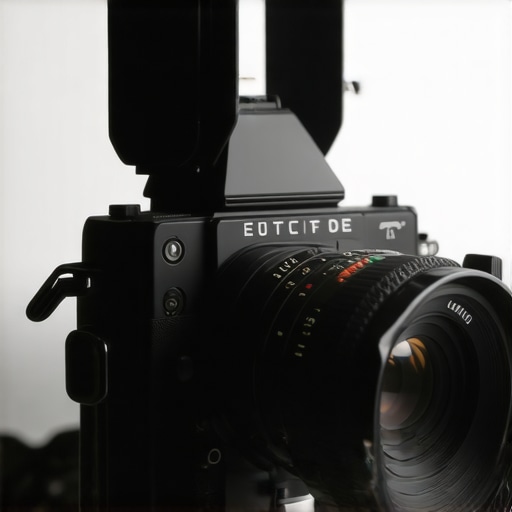
Why Do Prime Lenses Continue to Dominate in the Age of Dynamic Filmmaking?
I’ve always been fascinated by the enduring popularity of prime lenses, especially as zooms become more versatile. The reason? Prime lenses force filmmakers to think more intentionally about framing, which enhances storytelling. Plus, advances like f/0.95 apertures and improved coatings—highlighted in the latest prime lens innovations article—allow us to shoot in near darkness with stunning clarity and depth of field. These tools push the boundaries of creative expression, enabling us to craft images that resonate deeply. Personally, I find that working with primes challenges me to be more deliberate, fostering a disciplined approach that ultimately results in more impactful storytelling.
Have you noticed how your projects evolve when you choose quality primes over zooms? Share your experiences below—I’d love to hear how prime lenses have influenced your cinematic vision.
How Can Lens Adapters Be the Bridge to Vintage and Modern Aesthetics?
For me, lens adapters are like magic portals. They bridge the gap between eras—allowing vintage lenses to meet modern digital sensors—and unlock a treasure trove of aesthetic possibilities. I recall using a vintage Cooke lens on a recent shoot, which brought a nostalgic warmth and character that contemporary lenses couldn’t replicate. The key is in understanding the optical quirks and how to harness them creatively. I always advise experimenting with different combinations—sometimes, the quirkiest pairings yield the most compelling visuals. For a comprehensive approach, check out Cinegear’s tips on lens adapters. This resource helped me refine my technique, ensuring that I maximize both image quality and creative potential.
What vintage lenses have you integrated into your digital projects? Share your stories—I’m eager to learn about your discoveries and how they’ve enriched your storytelling.
What Are the Key Factors When Selecting Prime Lenses and Adapters for Your Unique Projects?
Choosing the right gear is always a balancing act of technical knowledge and artistic vision. I ask myself: What’s the narrative tone? Do I need fast apertures for low light? Will the lens’s character complement the story? Recently, I focused on a project where I prioritized lenses with a wide f/1.2 aperture for intimate, emotionally charged scenes. Compatibility was crucial, so I meticulously matched adapters to ensure focus accuracy and optical fidelity. The guide on choosing prime lenses and mounts became an invaluable resource. My advice? Start with a core set—like 35mm, 50mm, and 85mm—and expand based on your project’s needs. Remember, the right combination can turn limitations into creative opportunities.
How do you approach selecting your prime lenses? Share your decision-making process—I believe our collective insights can inspire innovative workflows.
Can Creative Experimentation with Vintage and Modern Lenses Lead to New Cinematic Languages?
Absolutely. Blending vintage optics with modern digital technology isn’t just a nostalgic exercise; it’s a way to forge a new visual language. Vintage lenses often introduce subtle imperfections—like chromatic aberration and flare—that add emotional depth and character. When I paired a classic Cooke lens with a high-res digital sensor through a well-chosen adapter, the images gained a textured, cinematic quality that felt both timeless and fresh. It’s about understanding how optical quirks interact with lighting and composition. For those interested, I recommend exploring lens mount compatibility insights. This knowledge allows you to experiment confidently, pushing the boundaries of traditional aesthetics and creating a truly unique cinematic voice.
What’s your experience with blending different eras of lenses? Let’s exchange ideas—your experiments could inspire someone else to discover their signature look.
Exploring the Nuances of Lens Compatibility: Beyond the Basics
Understanding the intricate details of lens compatibility is fundamental for filmmakers aiming to push their creative boundaries. It’s not merely about matching mounts; it involves a deep comprehension of flange distances, optical quirks, and sensor interactions. For instance, when I incorporated a vintage Zeiss lens with a modern digital sensor, the resulting images revealed unique flare patterns and character-driven imperfections that modern lenses often lack. This experience underscored the importance of mastering lens-mount relationships as a sophisticated tool for storytelling. To navigate these complexities, I recommend reviewing this detailed guide on lens mount compatibility.
Why Prime Lenses Retain Their Dominance in the Age of Versatility
Prime lenses continue to be the backbone of cinematic excellence in 2025 due to their unparalleled optical quality and creative discipline they impose. Their fixed focal lengths compel filmmakers to be more intentional with composition, fostering a more deliberate storytelling approach. Recent technological advances, such as apertures reaching f/0.95 and enhanced optical coatings, have expanded their utility in low-light scenarios while maintaining sharpness and aesthetic appeal. As highlighted in this authoritative article on prime lens innovations, these features enable us to craft images with breathtaking depth of field and cinematic character. I’ve personally found that working with prime lenses elevates my visual storytelling, encouraging more thoughtful framing and movement.
How Do Vintage Lenses and Modern Digital Sensors Converge to Create Unique Visual Languages?
The fusion of vintage optics with contemporary digital sensors is a fertile ground for innovation. Vintage lenses often introduce subtle imperfections—such as chromatic aberration, flare, or unique bokeh—that imbue images with emotional depth. When paired with modern sensors through carefully selected adapters, these lenses can produce a textured, cinematic aesthetic that balances nostalgia with clarity. I remember experimenting with a classic Cooke lens, which added warmth and character to my footage, resulting in a distinctive look that resonated deeply with viewers. The key is understanding the optical quirks and leveraging them intentionally. For comprehensive insights, I recommend exploring this resource on lens adapter techniques. Your willingness to experiment with these combinations can lead to a signature visual style that sets your work apart.
What Are the Critical Factors When Selecting Prime Lenses and Adapters for Specialized Projects?
Choosing the optimal prime lenses and adapters hinges on a meticulous assessment of your project’s narrative demands, budget constraints, and technical compatibility. For emotionally charged scenes, I often opt for fast primes like the 50mm f/1.2 to achieve shallow depth of field and rich bokeh. Ensuring precise compatibility between lenses and adapters is crucial; even minor mismatches can compromise focus accuracy or optical quality. To aid in this process, I turn to this expert guide on prime lens selection. Starting with a core set of versatile focal lengths—such as 35mm, 50mm, and 85mm—provides a solid foundation. From there, expanding based on project-specific needs allows for creative flexibility and technical precision. I encourage you to share your own selection strategies or challenges; our collective insights can help refine these crucial choices.
Can Artistic Experimentation with Vintage and Modern Lenses Foster New Cinematic Languages?
Absolutely. The deliberate blending of vintage optics with modern digital technology can forge innovative visual vocabularies. Vintage lenses often introduce subtle imperfections—like chromatic aberrations, unique flares, or character-driven distortions—that evoke emotional resonance. When I paired a classic Cooke lens with a high-resolution sensor via a dedicated adapter, the resulting imagery had a textured, timeless quality that felt both nostalgic and fresh. Embracing these imperfections as creative tools allows me to craft distinctive narratives that stand out. For a more nuanced understanding, I recommend exploring this comprehensive guide. Your willingness to experiment can lead to the discovery of new cinematic languages, enriching your storytelling palette and inspiring viewers in unprecedented ways.
Engage with Advanced Lens Techniques
If you’re eager to push your technical and creative boundaries further, I invite you to share your experiences or questions about integrating vintage lenses, modern primes, and adapters. Our community thrives on shared knowledge, and your insights might spark innovative approaches for others. For those seeking to deepen their understanding of cutting-edge lens technology and its application, I recommend exploring this ultimate guide. Together, we can continue to explore the art and science of cinematic storytelling, elevating our craft to new heights.
Things I Wish I Knew Earlier (or You Might Find Surprising)
The Power of Simplicity
Early in my filmmaking journey, I underestimated how much a single prime lens could elevate my visuals. Focusing on a few well-chosen primes taught me to master composition and storytelling without the distraction of zooms. This realization made me more deliberate in my craft and profoundly improved my work.
Vintage Lenses Are Gold
Discovering vintage lenses via adapters was a game-changer. The unique character, imperfections, and flare they introduce add emotional depth often missing from modern optics. I remember experimenting with a vintage Cooke lens, which brought a nostalgic warmth that resonated deeply with audiences.
Adapters Are Not Just Connectors
Initially, I saw lens adapters as mere tools for compatibility. Over time, I realized they are creative instruments, opening doors to a vast array of aesthetics. Properly selecting and understanding adapters can transform your visual storytelling, turning limitations into opportunities.
Choosing the Right Gear Is Personal
Every project has unique needs. I learned that investing in a versatile set of fast primes and reliable adapters tailored to my camera system made my workflow smoother and more inspired. There’s no one-size-fits-all—trust your artistic vision and technical needs.
Experimentation Is the Heart of Innovation
Blending vintage and modern lenses, using different adapters, and playing with light and focus—these are my favorite ways to discover new cinematic languages. Don’t be afraid to try unexpected combinations; some of my best shots came from happy accidents.
Resources I’ve Come to Trust Over Time
- Cinegear Guide: An invaluable resource for understanding lens and adapter choices, I’ve found their articles comprehensive and insightful, guiding my technical decisions.
- Filmmaker’s Academy: Offering practical advice and community insights, it’s a great place to learn about the latest in lens technology and filmmaking techniques.
- Reddit’s r/Filmmakers: A vibrant community sharing real-world experiences, tips, and recommendations that resonate with my own journey and challenges.
Parting Thoughts from My Perspective
If there’s one thing I’ve learned, it’s that understanding the nuances of prime lenses and lens adapters can truly elevate your filmmaking. These tools, when used thoughtfully, become extensions of your artistic vision, enabling you to craft images with depth, character, and emotion. Don’t hesitate to experiment, learn from others, and trust your instincts—every shot is a step towards your unique cinematic voice. If this resonated with you, I’d love to hear your thoughts or experiences. Feel free to share your journey or ask questions in the comments, and let’s continue pushing the boundaries of visual storytelling together.


![Fix 256K Ghosting: 3 Prime Lenses With Nano-Shields [2026]](https://lenses.cinegearguide.com/wp-content/uploads/2026/04/Fix-256K-Ghosting-3-Prime-Lenses-With-Nano-Shields-2026.jpeg)
Leave a Reply