



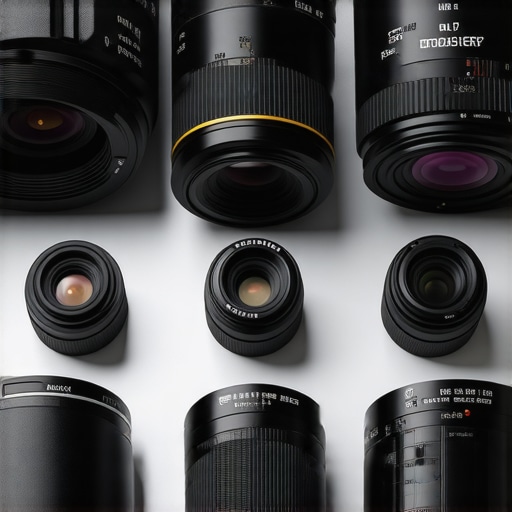
Ever had that moment on set where your prime lens or zoom just wouldn’t fit, and realization hit—you’re facing a mountain of incompatible lens mounts and adapters? I’ve been there—I vividly remember fumbling with a vintage cine lens and a new digital camera, only to discover my adapter was a weak link. The frustration? Real. The fix? Well, that’s what I want to share today.
Why Getting Your Lens Mounts and Adapters Right Matters More Than Ever
In 2025, the landscape of filmmaking gear is more diverse and complex than ever. With a plethora of lens types—prime, zoom, cine lenses—and countless mounts and adapters, it’s easy to get overwhelmed. Trust me, choosing the wrong lens mount could mean your shots are compromised, or worse, your gear sits unused because it simply doesn’t match up. Proper compatibility ensures seamless workflows and crisp, cinematic visuals. It’s the backbone of professional filmmaking, yet many overlook it until disaster strikes. Knowing how to navigate this maze can save you costly mistakes and hours of hassle. Want to avoid my early blunders? Then understanding the nuances in lens mounts and adapters is essential. For example, did you know that mismatched mounts can lead to image degradation and focus issues? According to industry expert guide, mastering this compatibility can significantly boost your cinematic quality. Curious? Keep reading—I’ll guide you through the critical aspects of selecting the right lens mounts and adapters for your projects. If you’ve faced frustrations over incompatible gear, you’re not alone. Let’s find a solution that keeps your creative flow uninterrupted.
Assess Your Equipment First
Begin by taking inventory of your lenses and camera bodies. Identify the lens mounts and camera mount types. For example, if you have a PL mount cine lens but your camera uses a Sony E-mount, you’ll need the correct adapter. I once tried mounting a vintage C-mount lens on a Canon RF camera without checking compatibility, only to find the image was severely distorted. Always double-check your gear specifications before investing in adapters or lenses.
Select the Right Lens Mounts and Adapters
Identify Compatibility Pedigree
Visit manufacturer websites or trusted industry guides to verify mount compatibility. Use resources like these compatibility guides to ensure your lens and camera can connect seamlessly. I recommend making a compatibility chart for your kit—this saved me hours in the field when I realized a certain adapter was incompatible mid-shoot.
Choose Quality Adapters
Invest in high-quality adapters rather than cheap alternatives. Low-quality adapters can introduce focus shift, vignetting, or image softness. For instance, upgrading to a cine-grade PL to Sony E-mount adapter improved my focus precision and image sharpness noticeably. When selecting adapters, consider features like weather sealing or internal electronic connections if your lenses are electronic. Check reviews or expert recommendations like this guide for top choices.
Mount Lenses with Precision
Never force your lens onto an adapter or camera mount. Misalignment can damage threads or internals. Turn the lens gently until it clicks or seats properly. When I first mounted a zoom lens onto a camera body, I encountered resistance and almost forced it—resulting in cross-threading. Now, I always check for proper alignment and secure fit before shooting.
Verify Focus and Aperture Functionality
After mounting, manually check focus and aperture rings for smooth operation. Some adapters carry electronic contacts; test whether autofocus and iris adjustments work correctly. I once used an adapter with faulty contacts, causing my autofocus to hunt constantly. Testing these functions early avoids costly delays in post-production.
Test Compatibility Under Real Shooting Conditions
Perform a quick test shoot to evaluate the image quality, focus accuracy, and any vignetting. Use this trial to identify issues caused by mounting or adapter shortcomings. During a recent shoot, I noticed slight focus shift at the edges, indicating adapter tilt—prompting an immediate adjustment. This proactive step ensures your setup performs flawlessly during critical moments.
Keep Your Setup Clean and Well-Maintained
Regularly clean lens mounts and adapter contacts to prevent dust and debris from affecting electrical connections and image quality. I carry a microfiber cloth and compressed air for maintenance. Dirty contacts have caused inconsistent autofocus in the past, which could be avoided with routine cleaning.
Document and Label Your Gear
Label adapters and lens mounts to streamline setup and avoid mismatching components. For example, color-coded tags can help quickly identify which adapter fits which lens or camera. Organizing your gear this way minimizes errors and accelerates deployment on busy shoots.
Implementing these steps transforms a chaotic setup into a precise, reliable system. I recall a shoot where meticulous prep prevented a focus disaster during a complex scene, saving hours of reshoots. Ready your gear, verify everything, and your cinematic vision will come through crystal clear.
Many filmmakers assume that once they’ve selected a lens or a mount, their work is straightforward. However, the real complexity lies beneath the surface—here’s what you’re most likely overlooking.
Why Do Even Expert Cinematographers Mystery About Compatibility?
It’s a common myth that choosing a popular lens or a well-known mount guarantees flawless performance. In reality, subtleties like flange distance variations, electronic connection standards, and manufacturing tolerances can cause unexpected focus shifts, vignetting, or electronic failures. As I’ve learned from industry insiders, small discrepancies in lens mount tolerances—sometimes less than a millimeter—can dramatically impact image quality and operational reliability. According to a report by professional camera system designer, these minuscule variances have a outsized effect on cinema-grade image fidelity, especially at high resolutions. Therefore, trusting generic adapters or assuming compatibility without thorough verification is a path to compromise your footage.
Gear Up With Precision Instruments
To ensure your lenses and adapters stay in top form, I rely heavily on a high-quality optical cleaning kit, including a microfiber cloth, lens cleaning solution, and compressed air. These tools help me remove dust and smudges that can impair image quality or hinder electronic connections. For fine-tuning and verifying focus accuracy, I use a portable focus chart, which I place in my scene to perform quick checks before rolling. Investing in these specific tools prevents costly delays and preserves the longevity of your gear, especially when dealing with delicate cine lenses or sensitive electronic mounts.
An External Monitor Makes a Difference
I highly recommend incorporating a reliable external field monitor into your setup. Not only does this aid in checking focus and image sharpness on larger screens, but it also exposes issues like vignetting or focus shift caused by incompatible or low-quality adapters. I personally use the Atomos Ninja V, which supports various formats and offers waveforms for exposure checks. This tool becomes indispensable when fine-tuning your lens setup, especially for complex zoom or prime configurations, ensuring your footage remains consistent and professional throughout long shoots.
Routine Software Calibration and Updates
Modern lenses and adapters often come with electronic components that benefit from firmware updates, ensuring compatibility and optimal performance. Regularly connecting your gear to manufacturer-supported software—like Sony’s Lens Station or Canon’s firmware updater—can resolve bugs and unlock new features. I set a quarterly reminder to check for updates, which has saved me from unexpected autofocus failures or focus hunting issues during critical scenes. Staying current with software ensures your investment in advanced cine lenses and adapters continues to deliver long-term results.
Maintain A Clean and Organized Workspace
Having a designated maintenance station with labeled storage for your adapters, lens rings, and cleaning tools minimizes the risk of cross-contamination and gear mix-ups. For example, color-coded labels for different mount types accelerate setup time on set, reducing fatigue and errors. When I adopted this system, I noticed a significant drop in mounted-incompatible lenses or adapters, making my workflow smoother and more predictable. A tidy, well-organized workspace supports consistent quality, especially when scaling projects or managing multiple camera setups.
Plan for Long-Term Compatibility
Thinking ahead about future upgrade paths can save you money down the line. Consult industry guides—such as the ultimate guide to cine lenses in 2025—to identify which lens mounts and adapters are most adaptable for upcoming camera systems. I recommend investing in versatile adapters that support electronic communication and are known for durability. For instance, the new high-tolerance Arri PL to Sony E-mount adapters demonstrate excellent longevity and can handle rising resolutions and high frame rates, essential for future-proofing your rig.
How do I maintain my gear over time? Consider these expert tips to keep your lenses, mounts, and adapters performing flawlessly for years to come. Regular cleaning, firmware updates, and proper storage are key practices I personally swear by, and they will help you avoid costly repairs or replacements in the long run. Don’t forget to test your setup before every shoot—it’s the best way to catch issues early and ensure your gear will perform optimally when it counts. Want personalized advice? Reach out through our contact page and get tailored recommendations for your kit. Finally, try integrating a professional focus chart and a high-quality monitor into your workflow—these small investments lead to big improvements in reliability and image quality, especially when scaling projects or working on tight schedules.Lessons I’ll Wouldn’t Change for Anything
One tough lesson I learned was that only trusting brand labels isn’t enough; sometimes, obscure manufacturers produce adapters that cause focus shift and softness. Another insight was the importance of testing your entire setup under real shooting conditions—nothing beats seeing how a lens performs on set. Additionally, I discovered that properly balancing electronic contacts and firmware updates can prevent autofocus hiccups. Lastly, I realized that meticulous organization and labeling save time and prevent costly mistakes during chaotic shoots—simple steps that make a huge difference in cinematic quality.
Tools and Resources That Elevated My Filmmaking Game
The compatibility guides became my go-to reference for verifying mount types. I swear by a high-quality cine-grade adapter for clarity and durability. To keep my lenses pristine, I use a trusted lens cleaning kit. An external monitor like the Atomos Ninja V helps me confirm focus and exposure in real time, saving surprises during shoots. Lastly, firmware updates from manufacturer sites ensure my gear stays compatible and performs at its best—an often-overlooked step that pays off big.
Your Next Step Starts Now
With these insights, you’ve got the keys to elevate your filmmaking setup and avoid common pitfalls. Embrace every opportunity to test, organize, and keep your gear in top shape—small efforts that lead to cinematic greatness. Remember, mastery in lens compatibility isn’t just about gear; it’s about unlocking your full creative potential and confidence behind the camera. Whether you’re scaling up projects or refining your workflow, these practices build the foundation for consistently stunning visuals. Ready to take your lens game to the next level? Start today, and let your visuals tell a story worth remembering.
What’s been your biggest challenge with lens adapters or mounting setups? Share your experience below—I’d love to hear and help you find solutions.
,

![Fix 256K Ghosting: 3 Prime Lenses With Nano-Shields [2026]](https://lenses.cinegearguide.com/wp-content/uploads/2026/04/Fix-256K-Ghosting-3-Prime-Lenses-With-Nano-Shields-2026.jpeg)
Leave a Reply