



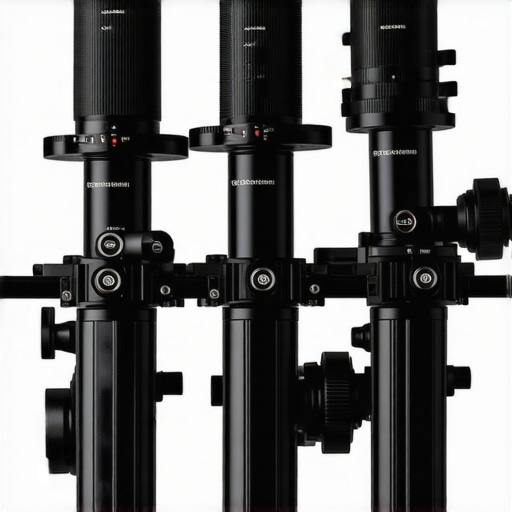
My Journey into the World of Cine Prime Lenses and Lens Mounts
I’ll never forget the first time I held a cine prime lens in my hands. It was during a small indie project, and I was eager to understand how these lenses could transform my storytelling. As a filmmaker, I quickly realized that choosing the right lens mount and prime lens could make or break the visual narrative. This personal experience sparked my deep dive into the intricacies of cine prime lenses and lens mounts, which I now consider essential knowledge for any aspiring filmmaker.
Why Are Cine Prime Lenses So Popular Among Filmmakers?
Cine prime lenses are renowned for their exceptional image quality, consistent focus gearing, and beautiful optical characteristics that produce stunning cinematic visuals. Unlike zoom lenses, prime lenses encourage a filmmaker to move physically to frame a shot, fostering a more intentional and creative approach. I found that their wide apertures, often f/1.4 or wider, allowed me to achieve mesmerizing depth of field and excellent low-light performance. For detailed insights, I often refer to this comprehensive guide.
Understanding Lens Mounts: The Foundation of Compatibility
One of the first hurdles I encountered was understanding lens mounts. Different cameras use different mounts like PL, EF, E-mount, or RF. Ensuring compatibility between your lens and camera body is crucial. I learned that using lens adapters can expand your options, but they might introduce issues like flange distance or autofocus limitations. To navigate this complex landscape, I recommend reading this detailed article that demystifies mount compatibility and adapter compatibility tips.
My Favorite Cine Prime Lenses and Why
Over the years, I’ve experimented with various prime lenses, from vintage glass to the latest models. My go-to lenses include the classic Zeiss Compact Prime series and the newer Sigma Cine lenses, which offer a beautiful balance of affordability and quality. The key is to choose lenses that suit your project’s aesthetic goals and your camera system. If you’re interested in exploring the top options for 2025, I highly suggest checking out this curated list.
How Do I Match Prime Lenses with My Camera System?
Matching lenses with your camera system involves more than just compatibility. It’s about understanding the sensor size, the mount, and the lens’s optical characteristics. For example, a full-frame sensor demands lenses that cover the entire sensor area, while Super 35 sensors require different considerations. I often use online tools and consult with fellow filmmakers to ensure perfect matches. If you’re unsure, I recommend reading this insightful guide on choosing the right adapters and mounts.
What are the latest innovations in cine prime lenses that could elevate my filmmaking?
Innovation in cine prime lenses is ongoing, with manufacturers introducing lenses with better coatings, improved optical designs, and more compact sizes. For instance, recent models now offer minimal distortion and enhanced flare control, which are invaluable in cinematic scenes. I always stay updated through industry reviews and manufacturer releases, like the recent advancements highlighted in this article.
If you’ve had experiences with different lenses or mounting systems, I’d love to hear your stories. Feel free to share your insights or questions in the comments below. Remember, choosing the right cine prime lenses and lens mounts is a journey—one that continually evolves with your skills and projects. Happy filming!
What Are the Breakthroughs in Cine Prime Lens Design for Filmmakers?
The evolution of cine prime lenses continues to impress with innovations that cater to the demanding needs of filmmakers. Recent advancements include lenses with improved optical coatings that reduce flare and ghosting, ensuring clearer images even in challenging lighting conditions. Manufacturers are also focusing on making lenses more compact and lightweight without compromising optical quality, which is crucial for handheld and gimbal shots. For example, the latest Zeiss Supreme Prime lenses incorporate minimal distortion and high contrast, making them versatile tools for cinematic storytelling. Staying abreast of these technological strides can significantly elevate your production quality.
How can understanding lens coatings and optical designs influence your choice of cine prime lenses?
Optical coatings and design intricacies directly impact image clarity, contrast, and flare control. Modern coatings, such as multi-layer anti-reflective surfaces, help in minimizing unwanted reflections, thereby enhancing the contrast and color fidelity of your footage. Optical design improvements, like aspheric elements, contribute to sharper images and reduced optical aberrations. Knowing these details allows filmmakers to select lenses that best suit their creative vision and shooting conditions. For a comprehensive overview of current innovations, I recommend exploring this article.
Why Is Lens Mount Compatibility More Critical Than Ever in 2025?
With the proliferation of camera systems—each with unique mounts like PL, EF, RF, and E-mount—the importance of understanding mount compatibility cannot be overstated. As camera technology advances, so do the demands for adaptable lens solutions. Using high-quality lens adapters can unlock a broader range of optical options, but they also introduce challenges like flange distance variations and potential autofocus issues. Ensuring compatibility and optimal performance involves not just matching mounts but also considering factors like flange focal distance and electronic communication. For instance, this guide offers in-depth insights into navigating these complexities effectively.
Are you leveraging the latest lens mount adapters to enhance your cinematic toolkit?
Advanced lens adapters now feature electronic contacts that facilitate autofocus, iris control, and metadata transfer, bridging the gap between vintage lenses and modern digital cameras. These innovations allow filmmakers to harness the unique character of vintage glass while maintaining modern functionalities. When choosing adapters, consider factors like build quality, optical stability, and compatibility with your camera system. Exploring top-rated options like those listed in this resource can help you make informed decisions that expand your creative possibilities.
How Do You Future-Proof Your Lens and Mount Choices in a Rapidly Evolving Industry?
The key lies in selecting versatile lenses and adaptable mounts that can evolve alongside emerging camera technologies. Investing in high-quality, industry-standard mounts and reliable adapters ensures your gear remains relevant. Additionally, keeping an eye on industry trends—such as the move toward full-frame sensors and higher dynamic range—helps in choosing lenses that meet future demands. Engaging with professional communities and staying informed through expert resources, like the ones referenced throughout this article, will keep your toolkit aligned with industry standards.
If you’ve discovered innovative lens solutions or mounting techniques that have transformed your workflow, I encourage you to share your experiences. Your insights could inspire others to push their cinematic boundaries. Don’t forget to explore more about the latest advancements in this comprehensive guide. Happy filming and continuous learning!
Reflections on the Evolution of Cine Prime Lenses and Their Impact on Artistic Vision
Looking back at my journey with cine prime lenses, I realize how each new model and technological advancement has subtly reshaped my approach to storytelling. The precision and optical qualities of recent lenses, such as the Zeiss Supreme Prime series, have pushed me to think more about light manipulation and narrative mood. These lenses aren’t just tools; they become collaborators in my creative process, guiding my visual language in ways I hadn’t imagined before. Exploring the latest innovations, like improved coatings that reduce flare and ghosting, has opened up new possibilities in challenging lighting scenarios, allowing me to craft more cinematic, emotionally resonant images.
The Nuances of Lens Mount Compatibility: Beyond the Basics
Initially, I thought compatibility was just about matching mounts like EF to PL. However, over time, I’ve come to appreciate the deeper complexities involved—such as flange focal distance, electronic communication, and optical stability. For example, when I started experimenting with vintage lenses via high-quality adapters, I discovered that even minor variations could affect autofocus performance or image stability. This realization prompted me to delve into detailed resources, such as this comprehensive guide, which has been invaluable in making informed decisions. Adapting to new camera systems often involves a balancing act—leveraging adapters that preserve optical quality while maintaining seamless functionality. It’s a nuanced dance between technology and artistry, and mastering it has profoundly enhanced my flexibility on set.
How Do I Select the Right Mount and Adapter for Future-Proofing My Kit?
In my view, future-proofing is about versatility and understanding emerging trends. For instance, as manufacturers move toward full-frame sensors, choosing lenses and mounts that can accommodate this shift ensures longevity. I’ve found that investing in high-quality, adaptable mounts—like RF or PL—combined with reliable adapters, extends the lifespan of my gear. Additionally, staying updated with current innovations, such as electronic contacts in adapters that facilitate autofocus and iris control, has been crucial. For those curious about expanding their toolkit, I recommend exploring this article on recent lens innovations, which highlights how these technological strides can elevate your filmmaking capabilities.
Personal Insights on Balancing Optical Quality and Practicality
One of the more subtle challenges I faced was finding a balance between optical excellence and practical considerations like size, weight, and cost. High-end lenses like Zeiss or Cooke offer unparalleled optical performance but can be hefty and expensive. Conversely, newer Sigma Cine lenses strike a commendable balance, providing excellent optical qualities in a more manageable form factor. My personal strategy has been to prioritize lenses that align with the aesthetic demands of my projects while remaining adaptable across different camera mounts, often utilizing top-tier adapters. This approach has allowed me to maintain artistic integrity without sacrificing mobility or budget constraints. If you’re contemplating your own lens choices, I encourage you to explore this curated list of versatile prime lenses for 2025.
Engaging with the Community: Sharing Experiences and Gaining Insights
Throughout my career, I’ve found that engaging with fellow filmmakers—whether through online forums, workshops, or casual conversations—has been instrumental in deepening my understanding of lens and mount choices. Everyone’s experience is a unique story, often revealing subtle nuances that technical specs alone can’t convey. I invite you to share your own journeys, challenges, and breakthroughs in the comments or through direct messages. Your insights could inspire others to explore new configurations or techniques. Remember, the landscape of cine lenses and mounts is constantly evolving, and staying connected with a community of passionate creators can be your most valuable resource. For more tailored advice, don’t hesitate to reach out via contact page.
Refining Your Craft with Next-Generation Lens Coatings and Optical Technologies
As I delve deeper into the realm of cine prime lenses, I am continually captivated by how innovative coatings and optical designs elevate cinematic quality. Modern multi-layer anti-reflective coatings, such as those implemented in the latest Zeiss Supreme Prime lenses, significantly mitigate flare and ghosting, even in tricky lighting conditions. These advancements not only improve contrast and color fidelity but also enable more creative control over light rendering, allowing me to craft scenes with nuanced atmospheres. Understanding these technological nuances helps me select lenses that align perfectly with my artistic vision, especially when shooting in environments with challenging lighting or mixed sources.
How Cutting-Edge Optical Design Shapes Cinematic Storytelling
Recent developments in optical engineering, including the integration of aspheric elements and proprietary glass formulations, are transforming the way we approach image quality. These innovations enable sharper images across the frame while reducing aberrations, which is crucial for high-resolution digital cinema cameras. For instance, the new Sigma Cine lenses incorporate such design principles, resulting in images that are both crisp and characterful. This level of optical precision empowers me to realize complex visual narratives without sacrificing image integrity, even in tight shooting schedules or constrained locations. For detailed insights, I often reference industry analyses like this authoritative article.
Why Is Mastering Lens Mount Compatibility Critical in the Age of Versatile Filmmaking?
In an era where filmmakers often juggle multiple camera platforms, mastering lens mount compatibility is more crucial than ever. The proliferation of mounts such as RF, E-mount, PL, and EF demands a nuanced understanding of their distinct flange focal distances and electronic communication protocols. I have found that leveraging high-quality adapters with electronic contacts can unlock seamless autofocus and iris control across systems, thus safeguarding my investment in versatile lenses. However, I am also cautious about potential challenges like optical misalignment or loss of metadata transfer, which can compromise workflow. To navigate these complexities, I regularly consult resources like this comprehensive guide.
What Are the Latest Innovations in Lens Mount Adapters That Expand Creative Horizons?
Advancements in lens mount adapters are revolutionizing how I approach vintage lenses and hybrid setups. Modern adapters now feature integrated electronic contacts, enabling functionalities like autofocus, electronic iris, and metadata transmission—features once exclusive to native mounts. This technological leap allows me to incorporate vintage glass with distinctive character while maintaining the convenience of modern digital workflows. When selecting adapters, I prioritize build quality and compatibility, often exploring options like those detailed in this insightful resource. Such tools have expanded my creative palette, making it possible to craft unique visuals that blend old-world charm with contemporary precision.
How Can Embracing Industry Trends Future-Proof Your Lens and Mount Arsenal?
To stay ahead in the fast-evolving cinematic landscape, I focus on building a modular and adaptable toolkit. Investing in high-quality mounts like RF and PL, along with reliable, feature-rich adapters, ensures my gear remains compatible with emerging camera technologies and sensor formats. Keeping abreast of trends such as increased sensor sizes and higher dynamic ranges guides my choices, enabling me to adapt without costly upgrades. I actively follow updates from leading manufacturers and industry analyses, including this insightful article, which highlights innovations that can safeguard my investments and expand my creative horizons.
Personal Reflections on the Intersection of Optical Excellence and Practical Adaptability
Balancing optical excellence with practical considerations remains a delicate dance. While premium lenses like Cooke and Zeiss offer unrivaled optical fidelity, their weight and cost can be limiting. Conversely, newer offerings from Sigma and Viltrox deliver impressive optical performance in more manageable packages. My approach involves prioritizing lenses that deliver the artistic quality I seek while remaining adaptable through high-quality mounts and adapters. This strategy allows me to navigate diverse shooting conditions efficiently, ensuring my artistic vision is never compromised by technical limitations. Exploring this curated list has been instrumental in guiding my selections.
Invitation to Share and Grow Within Our Filmmaking Community
Throughout my journey, engaging with fellow filmmakers has been invaluable. Sharing experiences about innovative lens setups, mount solutions, and optical techniques often reveals hidden opportunities. I encourage you to join the conversation—whether through comments, forums, or direct outreach—so we can learn from each other’s journeys. Your insights might inspire someone to explore new configurations or develop unique creative approaches. For more personalized advice or to discuss your project specifics, visit this contact page. Let’s continue pushing the boundaries of cinematic storytelling together, harnessing the latest technological advancements and collective wisdom.
Things I Wish I Knew Earlier (or You Might Find Surprising)
The Hidden Impact of Lens Coatings
Early in my journey, I underestimated how much optical coatings could influence image quality. Discovering that modern multi-layer anti-reflective coatings can significantly reduce flare and ghosting was a game-changer, enabling me to shoot in challenging lighting conditions with confidence.
The Power of Flange Focal Distance
Understanding flange focal distance was a revelation. It affects compatibility and optical performance when using adapters. I realized that matching the right adapter with a lens’s flange distance can make or break your workflow, especially when mixing vintage and modern lenses.
The Versatility of Electronic Lens Adapters
Initially, I thought adapters were just mechanical tools. Now, I see them as gateways to expanding creative horizons, with electronic contacts enabling autofocus and iris control. This evolution has allowed me to incorporate vintage glass into digital setups seamlessly.
The Importance of Building a Modular Toolkit
Investing in versatile mounts like RF or PL, along with reliable adapters, has future-proofed my gear. It’s fascinating how the industry trends toward larger sensors and higher dynamic ranges make adaptable systems essential for longevity.
Balancing Optical Quality and Practicality
Striking a balance between top-tier lenses and manageable gear is an ongoing challenge. I’ve found that newer Sigma Cine lenses offer excellent optical performance without the heft and cost of traditional brands, allowing for more agile shooting without sacrificing quality.
Community Insights are Invaluable
Sharing experiences with fellow filmmakers has been instrumental. Whether discussing new lens innovations or adapter techniques, the collective wisdom helps navigate the rapidly evolving landscape. I encourage everyone to contribute their stories and learn from others’ journeys.
Resources I’ve Come to Trust Over Time
- Mastering Cine Lenses Guide: This comprehensive resource deepened my understanding of lens optical design and practical usage. It’s a must-read for any serious filmmaker.
- Understanding Lens Mount Compatibility: An invaluable article that clarified complex compatibility issues, saving me time and frustration when working with diverse camera systems.
- Lens Adapter Tips and Tricks: A trusted source for exploring the latest in adapter technology, helping me expand my creative toolkit effectively.
- Industry Reviews and Innovations: Following reputable review sites kept me updated on the latest innovations in cine prime lenses, ensuring my gear stays current.
Parting Thoughts from My Perspective
Exploring cine prime lenses and lens mounts has been a rewarding journey of continuous learning and adaptation. The key takeaway is that understanding the nuances—like optical coatings, flange focal distances, and adapter technology—can drastically elevate your filmmaking. Embracing industry trends and community insights helps future-proof your toolkit, ensuring you can tackle evolving cinematic challenges with confidence. If this resonates with you, I’d love to hear your thoughts or experiences—sharing our stories enriches the creative process. Feel free to drop a comment or reach out through the contact page. Happy filming, and keep pushing your artistic boundaries!
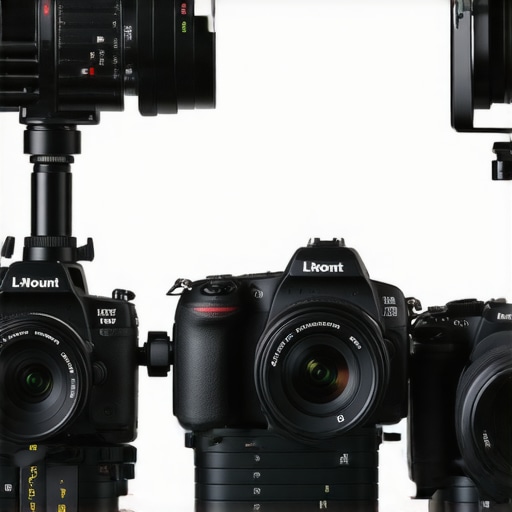
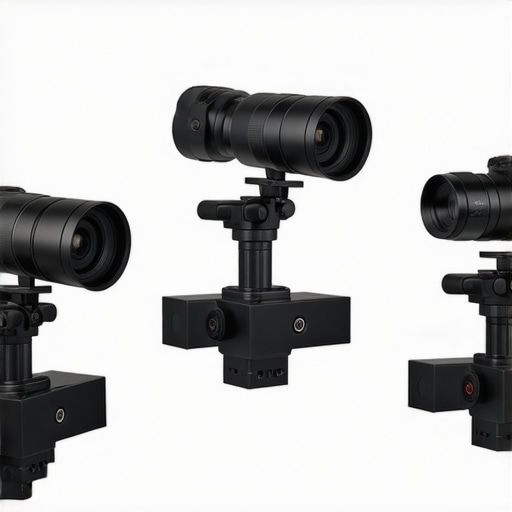
![Fix 256K Ghosting: 3 Prime Lenses With Nano-Shields [2026]](https://lenses.cinegearguide.com/wp-content/uploads/2026/04/Fix-256K-Ghosting-3-Prime-Lenses-With-Nano-Shields-2026.jpeg)
Leave a Reply