


Ever set out for a shoot, only to realize halfway through that your lens choices just aren’t cutting it? I’ve been there—frustrated, scrambling for solutions, and questioning whether my gear was enough. The lightbulb moment came when I finally understood that the right lenses, combined with smart adapters and a solid grasp of their quirks, could transform my footage from decent to cinematic gold. That’s why I’m so passionate about sharing what I’ve learned—because choosing the correct cine lenses isn’t just a technical detail; it’s the heart of storytelling.
Why Your Lens Choice Could Make or Break Your Film in 2025
In my early days as a filmmaker, I often thought that good storytelling could overcome technical limitations. Spoiler: it can’t. The truth is, the right lens can elevate your visuals, add emotional depth, and help you tell your story with clarity and style. But with so many options—prime, zoom, adapters—the decision can feel overwhelming. I remember spending hours researching, only to end up with a mismatched setup that hindered my creativity rather than enhanced it. That mistake taught me a valuable lesson: understanding the nuances of cine lenses is essential for cinematic success.
Today, I want to guide you through the process of choosing the best lenses for your needs, sharing tips that save time, money, and frustration. Whether you’re shooting on a tight budget or working with high-end gear, I’ll help you decode the complexities of lens mounts, focal lengths, and adapter compatibility. Because trust me, knowing how to optimize your lens setup is the secret weapon for filmmakers aiming to produce professional-quality work in 2025.
Is It Really Worth Investing in Prime and Zoom Lenses Right Now?
When I first started, I hesitated to invest heavily in prime and zoom lenses, fearing they might be more than I needed. But I learned the hard way that skimping on quality and versatility limits your creative options. A good prime lens can deliver stunning sharpness and beautiful bokeh, while a versatile zoom allows you to adapt on the fly. Plus, with advancements in lens technology in 2025, the gap between budget and premium optics is narrower than ever. If you’re curious about how to choose the best lenses for your projects, I recommend exploring our ultimate guide to prime and zoom lenses for a comprehensive overview.
And don’t forget—mistakes early on can be costly. I once bought a lens mount adapter without verifying compatibility, which caused delays and compromised image quality. To avoid this, I always check lens mount compatibility before making a purchase.
Ready to dive deeper? In the next sections, I’ll share practical tips on selecting prime lenses, zoom options, and how to leverage adapters effectively. Let’s ensure your gear works for you, not against you—because the right setup is the foundation of cinematic storytelling in 2025.
Choose Your Prime Lenses with Precision
Start by identifying your primary shooting needs. If your project demands sharp, cinematic images with a beautiful bokeh, prioritize prime lenses. I recall a shoot where I needed a 50mm for intimate close-ups; I chose a high-quality prime, which instantly elevated the image quality and gave my scenes a professional look. To ensure compatibility, always verify your lens mount before purchase. Check our lens mount compatibility guide for detailed tips.
Leverage Zoom Lenses for Flexibility
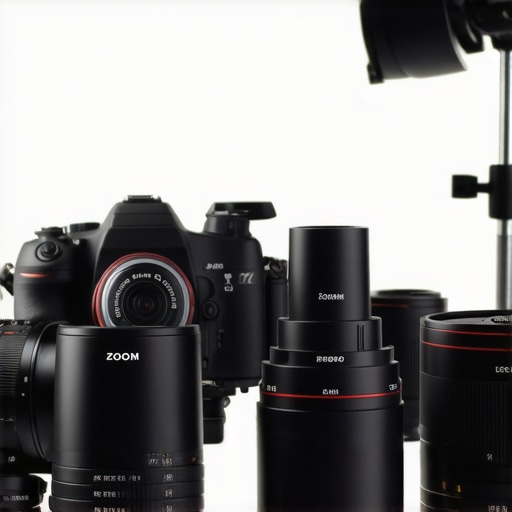
Zoom lenses are your versatile companions on dynamic projects. Instead of changing lenses mid-shoot, a good zoom can adapt to various framing needs. For example, I once shot a documentary where I switched from wide to close-up shots within seconds—saving time and maintaining continuity. When selecting zooms, consider the focal length range and aperture. A fast zoom with a wide aperture (like f/2.8) will give you better low-light performance and creative control. Explore our best zoom lens options for cinematic work.
Optimize Adapter Compatibility for Seamless Shooting
Adapters unlock the potential of your existing lenses across different mounts. But mismatched adapters can cause focus issues or image degradation. I learned this the hard way when I used an incompatible adapter during a shoot, resulting in blurry footage. To prevent this, always verify your adapter’s compatibility. Use our adapter selection tips to find the perfect match. Look for adapters with minimal optical elements to preserve image quality and ensure smooth focus pulling.
Master the Art of Mounts and Their Nuances
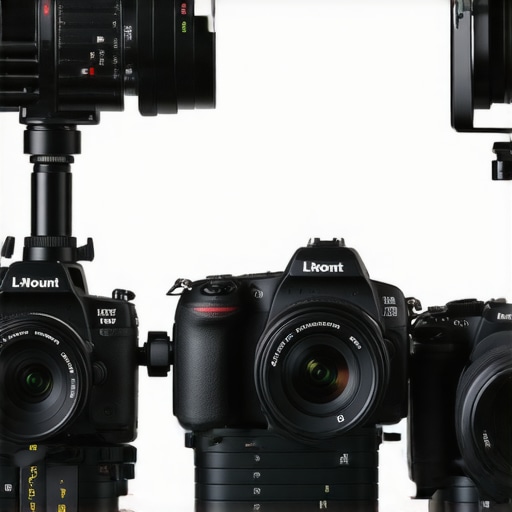
Different mounts—PL, EF, MFT, and more—each have unique quirks. I once upgraded my camera body and needed a new mount adapter. After researching, I found that some mounts have built-in electronic contacts to maintain autofocus and aperture control. For detailed insights, check our mount compatibility guide. Remember, a solid mount adapter is the backbone of stable, high-quality footage, so invest time in choosing the right one.
Test Before You Commit
Always test your lens and adapter setup before the shoot. I once spent hours troubleshooting a focus pull because I didn’t test my gear properly. A quick test run helped me catch focus shifts and adjust settings in advance. Use your camera’s live view or external monitor to check for issues. This practice ensures your gear setup supports your creative vision without surprises on the day of filming.
By understanding your lens options, leveraging zoom capabilities, and mastering adapter compatibility, you streamline your workflow and elevate your cinematic storytelling. Keep experimenting with different setups, and don’t shy away from seeking expert advice on gear choices. Your perfect lens and adapter combo is out there—waiting to bring your vision to life in 2025.
One of the most pervasive misconceptions in cinematic optics is that more expensive lenses automatically guarantee superior image quality. While high-end lenses do often deliver excellent results, there’s a common myth that budget options are inherently inferior. In reality, many affordable cine lenses utilize innovative optical designs that achieve comparable sharpness, contrast, and character when used correctly. For instance, recent advancements in lens manufacturing have allowed budget-friendly options to incorporate aspherical elements and specialized coatings, narrowing the gap with premium optics. To distinguish genuine quality from marketing hype, it’s crucial to evaluate lenses based on real-world performance, not just price tags. For a deeper dive into the latest innovations in prime lenses, check out our prime lens innovations.
Another widespread misconception is that adapters always degrade image quality and introduce focus issues. This is only partly true. The key lies in selecting high-quality adapters designed for your specific lens and mount combination. When used properly, adapters can unlock a wealth of creative possibilities without sacrificing sharpness or focus control. The real trap many fall into is neglecting to verify compatibility or opting for cheap, poorly manufactured adapters. Such choices can lead to focus shifts, vignetting, or even damage to your gear. To avoid these pitfalls, always consult our lens adapter tips and thoroughly test your setup before critical shoots.
Is It Better to Stick to Native Mounts or Embrace Adapters for Cinematic Work?
This is a question I get asked frequently, especially as technology evolves rapidly. While native mounts often offer optimal performance with seamless electronic communication, they can limit your lens options and flexibility. Conversely, adapters expand your arsenal by allowing you to use lenses from other mounts, but only if you choose the right ones. The secret is balancing quality and compatibility. Investing in high-quality adapters that support electronic connections ensures you don’t lose autofocus, aperture control, or image fidelity. Remember, the most advanced adapters now incorporate features like minimal optical elements and precise focus calibration, helping you achieve cinematic results without compromise. For expert guidance on this, review our lens adapter selection.
Finally, a critical nuance often overlooked is the importance of understanding your lens’s optical character. Many filmmakers assume all lenses are interchangeable without considering how a lens’s unique design influences image aesthetics—like distortions, flare, or bokeh. These characteristics can dramatically impact your storytelling, especially in narrative-driven projects. Experimenting with different lenses and understanding their quirks can provide you with a signature look that elevates your work. For a comprehensive overview, I recommend reading our mastering cine lenses guide.
Have you ever fallen into this trap? Let me know in the comments and share your experiences with lens myths or advanced mistakes you’ve learned to avoid!
How do I maintain my cine lenses and gear over time?
Preserving the quality and performance of your filmmaking equipment requires more than just careful handling—it demands a strategic approach to maintenance and the right tools. I’ve found that investing in high-quality cleaning kits, protective storage solutions, and regular calibration can dramatically extend the lifespan of your lenses, adapters, and other cine gear. For instance, I personally use a lens cleaning solution with microfiber cloths designed specifically for optical surfaces, which prevents scratches and removes dust without leaving residue. Additionally, keeping your gear in padded, climate-controlled cases minimizes exposure to humidity and temperature fluctuations that can cause fogging or warping.
One of the most overlooked aspects of long-term gear health is regular calibration. Modern cine lenses, especially those with electronic components, benefit from periodic focus and aperture calibration to maintain accuracy. I recommend scheduling quarterly checkups with a professional service or using calibration tools like the lens calibration kits. This proactive approach ensures your focus pulls remain smooth and your images stay sharp, avoiding costly repairs or replacements later on.
Tools I recommend for optimal gear upkeep
For cleaning, I swear by the LensPen Micro. Its retractable brush and carbon cleaning tip make quick work of smudges and dust without risking damage. When it comes to storage, I rely on Pelican cases with foam inserts—these are rugged, waterproof, and customizable, which allows me to secure my lenses and accessories safely during transit or downtime. To keep track of maintenance schedules and calibration needs, I use a digital logbook app tailored for equipment management, which sends reminders before any service is due.
Another game-changer is using an air blower to remove dust from hard-to-reach areas and a microfiber cloth for wiping lenses and filters. For professional calibration, I prefer sending my lenses to certified technicians who use the latest optical testing equipment—this ensures precision and reliability.
The future of gear maintenance in filmmaking
Looking ahead, I believe the trend will shift toward smart, connected tools that automatically monitor and report the health of your equipment. Imagine sensors embedded within cases that track humidity, temperature, and usage, alerting you via your smartphone when maintenance is needed. Additionally, AI-driven calibration software could streamline focus and aperture adjustments, saving time and reducing errors. As these innovations become more affordable and accessible, maintaining your gear will become more efficient and less of a chore.
Start incorporating one advanced maintenance tip today—like setting up a regular calibration schedule or investing in a high-quality cleaning kit—and see how it extends the life of your tools. Remember, your gear is an investment, and proper care ensures it continues to serve your creative vision for years to come.
Lessons I Wish I Learned About Cine Lenses Early On
- Choose quality, not just brand names. I once bought an expensive lens without testing it thoroughly, only to find it didn’t match my shooting style. Now, I test every lens in real-world conditions before making a purchase.
- Master the quirks of adapters. Mismatched adapters can cause focus shifts and image degradation. Learning to select high-quality adapters that support electronic controls has saved me countless headaches.
- Understand your lens’s character. Each lens has a personality—distortions, flare, bokeh—that can become your signature style when used intentionally, not avoided.
- Test your gear before the shoot. I once experienced focus issues mid-shoot because I skipped a quick test. Now, I always do a setup check to ensure everything works seamlessly.
- Invest in regular maintenance. Proper cleaning and calibration extend your gear’s lifespan and keep your images sharp. Using tools like microfiber cloths and calibration kits has been a game-changer.
Resources That Elevated My Filmmaking
- Understanding lens mount compatibility. This guide helped me avoid costly mistakes when mixing lenses and mounts: learn more here.
- Mastering cine lenses in 2025. My go-to resource for latest tips and gear reviews: check it out.
- Innovations in prime lenses. To stay ahead, I follow updates on new optical designs: see the latest.
- Choosing the perfect zoom lens. For versatile projects, this guide helped me pick the right zooms: find out how.
Your Next Step in Cinematic Mastery
Embrace the knowledge that mastering cine lenses is an ongoing journey—each project teaches something new. With the right tools, understanding, and a bit of experimentation, you can elevate your filmmaking to professional heights in 2025. Don’t wait—start refining your lens setup today and watch your storytelling flourish. What’s the biggest challenge you’ve faced with lens choices? Share your experience below and let’s learn together!


![Fix 256K Ghosting: 3 Prime Lenses With Nano-Shields [2026]](https://lenses.cinegearguide.com/wp-content/uploads/2026/04/Fix-256K-Ghosting-3-Prime-Lenses-With-Nano-Shields-2026.jpeg)
Leave a Reply