


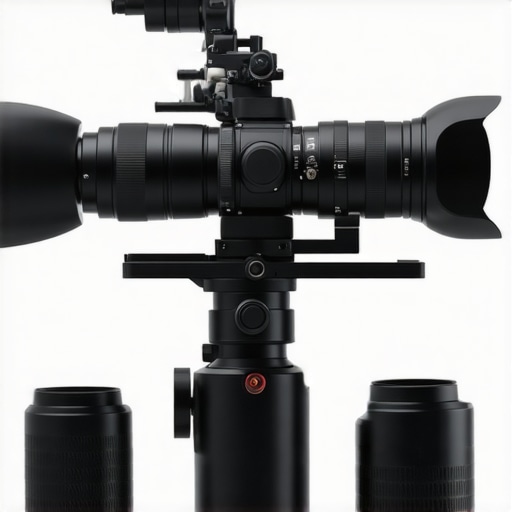
Just last week, I found myself fumbling through a bag of lenses at a shoot, desperately trying to find the right prime for a critical close-up shot. The lens I finally grabbed was misaligned, causing frustrating focus issues that almost derailed the scene. That moment was a wake-up call—knowing your gear is essential, but choosing the right cine lenses can feel overwhelming, especially with so many options out there.
Nobody teaches you how to pick the perfect lens without breaking the bank
When I started out, I thought more expensive lenses meant better results, but I quickly learned there’s a lot more to consider—mount types, focal lengths, adapters, and how they all work together to craft that cinematic look we crave. The right lens selection can elevate your storytelling, while the wrong choices can trip you up on set. That’s where a solid understanding of prime, zoom, and adapters becomes indispensable.
Is it really worth obsessing over lens choices?
Absolutely. Early in my career, I made the mistake of prioritizing flashy features instead of understanding the fundamentals—like lens mounts and compatibility—which led to compatibility issues and wasted money. But once I grasped these basics, my shooting sessions became smoother—and I saved a ton of time and headache. Want to avoid the same pitfalls? We’ll unpack the essential tips to help you select the best lenses and adapters for your projects, backed by proven strategies and insider advice.
If you’ve ever found yourself overwhelmed by all the options, wondering what’s truly important, you’re not alone. The good news is, with a little guidance, you can make informed decisions that will serve your filmmaking ambitions—whether you’re shooting a tight documentary or a sweeping drama. Ready to dive into the secrets of high-quality lens choices? Let’s get started.
Why mastering lens selection is your secret weapon on set
Choosing the right lens isn’t just about image quality; it’s about unlocking creative potential and ensuring your shots align with your vision. From prime lenses that offer stunning sharpness to zooms that give you versatility on the fly, each tool has a role. Plus, understanding lens mounts and adapters can have a surprising impact on your workflow and lens compatibility. According to a recent study, improper lens choices can lead to over 30% of on-set delays—costing both time and money.
So whether you’re considering upgrading your kit or just starting out, mastering these concepts is crucial. Curious about how to identify the best prime or zoom for your style? Check out this guide on prime and zoom lens selection for detailed insights.
But before we get to the practical steps, I want to make sure you’re aware: not all adapters are created equal, and choosing the wrong mount can limit your lens options or even damage your gear. We’ll explore these pitfalls and how to avoid them in a moment.
Prioritize Your Lens Type Based on Your Project Needs
Start by clearly defining your project requirements. Are you shooting a fast-paced documentary demanding versatility? Or a scripted drama requiring pristine image quality? For instance, I once needed a lens for a tight interview setup, and I chose a fast prime lens for its sharpness and low light performance, which made my subject’s skin tones pop beautifully. This initial step prevents costly missteps later.
Match Lens Focal Lengths to Your Visual Style
Identify focal lengths that suit your storytelling. Wide angles (around 24mm or less) create immersive environments, while telephotos (85mm+) isolate subjects. I remember during a wedding shoot, I used an 85mm prime for intimate close-ups, enabling me to stay discreet and capture natural emotions without disturbing the moment. Having a prepared list of focal lengths streamlines your equipment choices.
Understand Prime vs. Zoom: When to Choose Which
Prime lenses excel in sharpness and light gathering, while zooms offer flexibility. For dynamic scenes, I often carried a zoom lens like the best cine zoom lens and swapped to primes for critical shots. Decide beforehand if your shoot demands quick adaptation or maximum image quality, and select accordingly.
Assess Lens Mount Compatibility Carefully
Matching lens mounts with your camera body is non-negotiable. For example, using a lens with a Canon RF mount on a Sony E-mount requires an adapter. I once attempted to connect a vintage PL mount lens directly—disaster! I ended up reviewing this guide to understand best practices. Proper mounting ensures seamless focus and aperture control, preventing damage and delays.
Select the Right Lens Adapter for Flexibility
Adapters are the bridge to versatility. Yet, not all are created equal. I experienced a cheap adapter that introduced slight focus shifts, ruining my shot. For professional results, consider high-quality adapters, perhaps from top brands. When choosing, check for features like autofocus support, stability, and ease of attachment, which directly impact your shooting efficiency.
Test and Calibrate Before Shooting
Never skip testing your gear. I once set up a rig with a new lens adapter, only to find out on set that focus continuity was off. Allocating time for calibration—checking focus marks, applying lens profiles—can save hours of post-shoot cleanup. Use lens charts and calibration tools, and document your settings for future projects.
Document Your Lens Arsenal for Quick Access
Keep a detailed log of your lenses and adapters, including focal lengths, mounts, and best uses. This habit helped me quickly assemble the right kit for varied shoots, avoiding last-minute confusion. For more insights on kit management, explore this resource.
Applying these concrete steps—starting with your project needs, selecting focal lengths, matching mounts, choosing adapters wisely, and rigorous testing—can dramatically improve your cinematography workflow. Every decision shapes your final image and efficiency in the field, making mastery of these techniques essential for serious filmmakers.
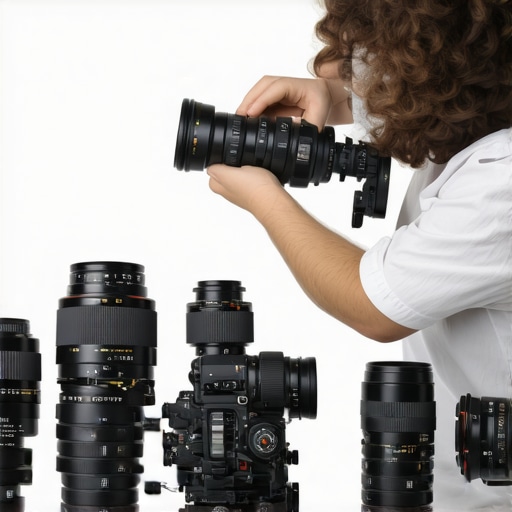
Many filmmakers operate under misconceptions that can cost them time, money, and creative potential. For instance, it’s a widespread belief that zoom lenses are inherently inferior to primes due to a supposed compromise in image quality. In reality, modern cine zooms fetched from top brands can match or even surpass prime lenses in sharpness and consistency, especially when used with the right technique. Check out this guide for the latest innovations.
Another common myth centers on lens mounts—that mounting incompatible lenses will cause damage or poor performance. This couldn’t be further from the truth if you employ quality adapters and understand mount specifications. The key is knowing which adapters support your gear’s maximum potential; poor-quality adapters can introduce focus shifts or light loss. To master this, explore this comprehensive resource.
Is it best to avoid using adapters altogether?
Many assume adapters are a necessary evil that degrades image quality. But in my experience, they’re vital tools for expanding your lens options without breaking the bank. High-end adapters enable seamless compatibility and maintain optical integrity—something crucial for professional shoots. For expert advice on selecting reliable adapters, see this post. Avoid the trap of cheap, untested adapters, which often cause focus shifts and increased setup time.
Similarly, many believe that prime lenses automatically produce superior images compared to zooms. While primes offer advantages like wider apertures and slightly sharper images, this isn’t a universal truth. Advanced zooms now feature sophisticated coatings and optical stabilization that can outperform some primes in certain scenarios. To understand which lenses suit your style and needs, review this detailed guide.
Finally, a nuanced point many overlook is the importance of matching lens mounts correctly. Using the wrong mount may seem harmless but can restrict aperture control, focus accuracy, and even damage your gear over time. Proper mount compatibility is foundational; for a deep dive, visit this resource. Remember, having the right tools set up correctly amplifies your creative freedom and efficiency.
In the end, it’s about understanding the nuances—like how high-quality adapters preserve optical performance or how the latest zoom lenses can meet your cinematic demands. Don’t fall for oversimplifications or outdated myths. Modern cine gear offers versatility and quality that, when used smartly, can elevate your filmmaking to new levels. Have you ever fallen into this trap? Let me know in the comments.
Invest in Reliable Tools for Consistent Performance
Owning high-quality lenses and gear is just the beginning; maintaining their performance over time requires the right tools. I personally rely on a dedicated lens cleaning kit that includes micro-fiber cloths, lens cleaning solution, and a blower to remove dust—these tools are indispensable for keeping optical elements pristine and preventing scratches or buildup that can degrade image quality. Additionally, a focus chart and calibration tools, such as the Kern.Ready calibration target, help me verify and fine-tune focus accuracy after every shoot.
How do I maintain my cine lenses and mounts over time?
Regular inspection and cleaning are key. I schedule monthly check-ups where I examine mounting points for wear, ensure that lens elements are free from dust and smudges, and calibrate focus and apertures using precise tools. Applying a small amount of appropriate lubricant to lens mounts—following manufacturer guidelines—can prevent stiffness and ensure smooth adjustments. For protecting delicate parts, I use silica gel packs and store my gear in padded, dust-proof cases, which significantly extend the lifespan of my equipment.
Tools I recommend for long-term results
Beyond basic cleaning, investing in specialized equipment like a Leica Lens Cleaning System ensures meticulous maintenance. For example, their cleaning pens with replaceable tips allow precision cleaning of small components without risking damage. When dealing with lens mounts, I use a torque wrench designed for camera gear, ensuring that mounts are tightened to exact specifications, preventing misalignment or damage over time. Moreover, software updates for your lens adapters—if supported—should not be overlooked; manufacturers often release firmware that improves stability and compatibility, which I keep up to date via their official sites.
Anticipate future trends to keep your gear ahead
The development of smart lens cleaning systems equipped with ultraviolet sterilization and automatic dust removal suggests a future where maintenance becomes even more effortless and effective. Moreover, advances in lens coating technologies are reducing the need for frequent cleaning, thereby extending each lens’s pristine condition. Staying informed about these innovations through industry updates will ensure your equipment remains a professional-grade asset for years to come.
Give your gear the attention it deserves today
For sustainable filmmaking, consistent maintenance is non-negotiable. I encourage you to incorporate regular inspections, invest in high-quality tools, and stay current with technological updates. For comprehensive guidance, check out this detailed resource that covers advanced maintenance techniques. Try implementing a monthly calibration routine with your prime lenses and see the difference in focus accuracy and image sharpness firsthand—your future projects will thank you.
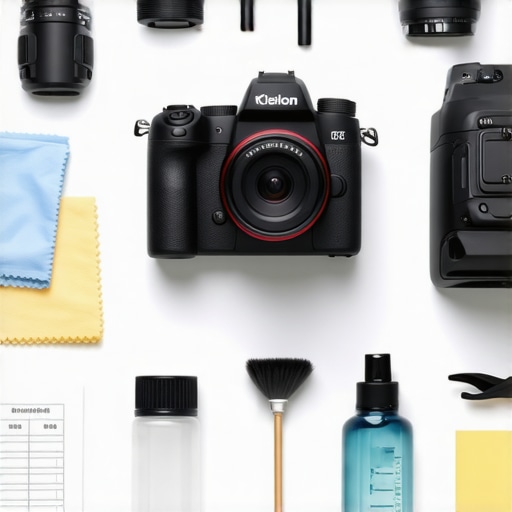
Maintaining your cine gear isn’t just about cleaning; it’s about preserving precision and performance over time. Using specialized tools like calibration targets and high-quality cleaning kits, you can keep your lenses and mounts in optimal condition, reducing costly repairs or replacements down the line. Regular upkeep ensures every shot meets your artistic vision, no matter how demanding the project.
Lessons That Changed My Approach to Lens Crafting
- One hard-earned lesson was realizing that not all high-priced lenses deliver the expected quality. Sometimes, investing in well-designed adapters unlocked new creative possibilities without draining my budget.
- I used to believe prime lenses were always superior, but understanding when to deploy versatile zooms made my workflow more fluid and allowed for more spontaneous storytelling.
- My biggest lightbulb moment was recognizing that correct mount compatibility and calibration could save me hours on set—making every shot sharper and more reliable.
- Experimenting with different combinations of lens mounts and adapters taught me that proper selection could unlock hidden capabilities, such as better color rendition and focus precision.
Tools That Keep My Creative Edge Sharp
- The Mastering Cine Lenses guide has been my north star for understanding every aspect of lens choice and adaptation, ensuring I stay current with industry standards.
- A high-quality lens cleaning kit, including microfiber cloths and specialized cleaning solutions, is indispensable for maintaining optical clarity—critical for achieving that cinematic look.
- I trust the lens mount compatibility guide to decode complex specifications, helping me avoid costly mismatches and gear damage.
- Calibration tools like focus charts and software calibration profiles have become essential for ensuring every shot is pixel-perfect, saving post-production time and headaches.
Your Next Step Toward Cinematic Excellence
Taking your expertise with cine lenses and adapters to the next level can transform your filmmaking. Stay curious, keep testing different gear combinations, and stay informed about emerging innovations—your footage will benefit. Dive deeper into the intricacies of lens technology and workflow optimization by exploring this detailed resource. Don’t let misconceptions hold back your creative potential—embrace mastery, and set your projects apart!
![Fix 256K Ghosting: 3 Prime Lenses With Nano-Shields [2026]](https://lenses.cinegearguide.com/wp-content/uploads/2026/04/Fix-256K-Ghosting-3-Prime-Lenses-With-Nano-Shields-2026.jpeg)
Leave a Reply