


Ever found yourself in the middle of a shoot, struggling to get that perfect shot, only to realize your lens choice isn’t quite right? I’ve been there. One moment of frustration, a missed shot, and suddenly I understood the importance of having a solid grasp of prime, zoom, and adapter lenses. It wasn’t just about having good gear; it was about knowing how to use it to tell my story visually. That lightbulb moment transformed my filmmaking approach, and I want to share that clarity with you.
Why Choosing the Right Lens Can Make or Break Your Film
Picking the perfect lens isn’t just a technical decision—it’s a creative one. The lens you choose influences mood, focus, and even pacing. Early in my career, I made the mistake of assuming all lenses are interchangeable. I bought a high-end zoom, thinking it would solve everything. Turns out, I was sacrificing cinematic quality for convenience. I learned that prime lenses, with their sharpness and beautiful bokeh, could make a scene pop. Meanwhile, zoom lenses give flexibility when you need to adapt quickly on set. Understanding when and how to use each can elevate your storytelling game immensely.
Is Investing in Prime and Zoom Lenses Really Worth It?
Honestly, I used to worry about the cost. It felt overwhelming. But the truth is, selecting the right lenses is about strategic investment. I also made the mistake of ignoring lens mount compatibility early on, which caused delays and frustration. The good news? There are simple ways to get it right, like consulting guides on lens mount compatibility. This knowledge helps you avoid costly mistakes and ensures seamless setup. As a fellow filmmaker, I can tell you: when you choose wisely, your footage will look more professional, and you’ll feel more confident behind the camera.
So, if you’ve ever faced the dilemma of whether to go prime or zoom, or felt overwhelmed by adapter options, don’t worry. We’ll walk through the ins and outs of essential lenses, how to choose them, and how to maximize their potential for cinematic storytelling. Are you ready to upgrade your lens game? Let’s dive in!
Choose Your Lenses Like a Pro
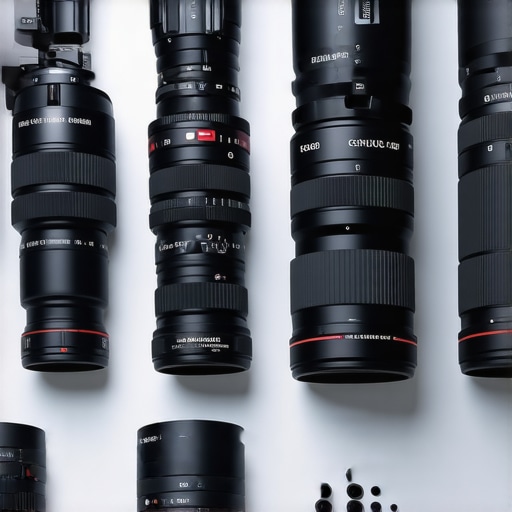
Start by sorting your lens collection into two main categories: prime and zoom. Think of prime lenses as your sharp, focused arrows—fixed focal length, but exceptional clarity and bokeh. Zoom lenses are like your versatile Swiss Army knives—adjustable focal lengths offering quick framing changes. I remember a shoot where I only brought a 50mm prime and a 24-70mm zoom. During a fast-paced documentary scene, I switched between the zoom and prime quickly, capturing moments seamlessly without missing a beat.
Prioritize Your Shooting Style
If your project demands cinematic depth and exquisite background blur, lean toward prime lenses. For dynamic scenes where flexibility is key, zooms will save you time. For example, in a recent music video shoot, I used a 85mm prime for intimate shots and a 24-105mm zoom for wide, energetic crowd scenes. Matching your lens choice to your shot composition is critical. Check out this guide to select the best zoom lens for your needs.
Invest Wisely in Your Lens Arsenal
Before purchasing, verify lens mount compatibility to avoid delays. Imagine buying a beautiful lens only to find it doesn’t fit your camera—disappointing, right? Use resources like mount compatibility guides to ensure seamless integration. When I upgraded my setup, I consulted these guides and avoided costly mistakes. Remember, quality lenses are a long-term investment that pays off with stellar image quality.
Enhance Your Setup with Adapters
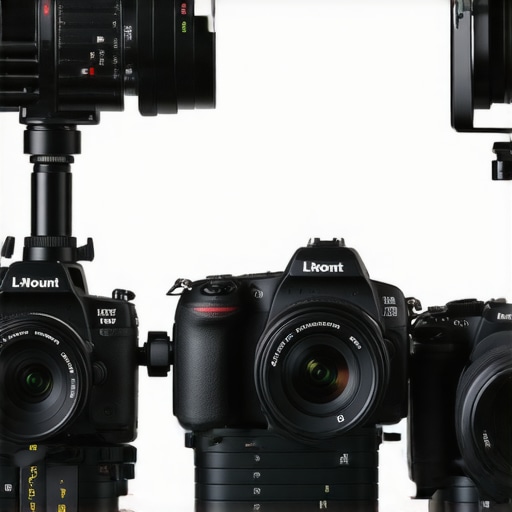
Adapters unlock a universe of lens options, especially if you’re mixing brands or mount types. Think of adapters as the bridge that connects your camera to a new world of lenses. Recently, I used a Metabones adapter to attach a vintage cinema lens to my mirrorless camera. The result was stunning, with a unique character that elevated my scene. For tips on choosing the right adapter, visit this resource.
Test and Refine Your Lens Choices
Once you have your lenses, test them in real shoot conditions. I once set up a test scene with a variety of primes and zooms to compare their sharpness, bokeh, and color rendition. This hands-on approach revealed subtle differences that informed future purchases. Keep notes on each lens’s strengths and weaknesses, and don’t hesitate to experiment with different combinations. When I mastered my lens lineup, my confidence behind the camera skyrocketed, and my footage improved noticeably.
Remember, mastering prime, zoom, and adapter lenses is an ongoing process. Stay curious, keep testing, and refine your gear choices to tell your stories more powerfully.
Many filmmakers operate under assumptions about prime, zoom, and adapter lenses that can hinder their creative growth. Let’s dig deeper into some of the most persistent misconceptions and reveal the hidden nuances that can make or break your cinematic results.
Why Size and Price Don’t Always Signal Quality
It’s a common belief that bigger, more expensive lenses automatically deliver better images. While high-end lenses do offer superior optical performance, many filmmakers overlook the fact that a well-chosen budget prime or vintage lens can produce stunning results. For example, a vintage cinema lens, when paired with a quality lens adapter, can add character and depth that modern digital lenses sometimes lack. Relying solely on price as a quality indicator is a trap that can limit your creative options.
Misunderstanding the Limits of Zoom Lenses
Many believe zoom lenses are inherently inferior to primes, but this isn’t always true. The misconception is that zooms sacrifice sharpness and cinematic quality. In reality, modern cine zooms are engineered to match prime lenses in optical quality, provided you select the right model. For instance, some top cine zoom lenses offer exceptional sharpness and beautiful bokeh across focal lengths. The real trick is understanding their optimal use — zooms excel in dynamic scenes where flexibility beats the need for a multitude of primes.
Beware of Overusing Adapters Without Testing
Adapters open up a world of lens options, but many fall into the trap of assuming they’re plug-and-play. The truth is, poor-quality adapters or improper usage can introduce focus shifts, vignetting, or even worse, image softness. The key is to test your adapters thoroughly in real shooting conditions. For example, I once used a high-quality lens adapter to attach vintage lenses, and I discovered subtle focus shifts that I had to compensate for. Avoid this common mistake by consulting guides on lens mount compatibility and testing your setup before critical shoots.
How Do You Get the Most Out of Your Prime and Zoom Lenses?
Mastering your lenses involves more than just understanding their specs. It’s about knowing when to push their limits and how to leverage their unique qualities. For instance, a prime lens with a wide aperture isn’t just for shallow depth of field; it can also be used to optimize low-light shots creatively. Conversely, a versatile zoom can allow you to adapt quickly to changing scenes without changing lenses, saving time and maintaining continuity. Remember, the real secret lies in testing different combinations and understanding how each lens interacts with your camera sensor and lighting setup. For advanced tips, check out this comprehensive guide.
Have you ever fallen into this trap? Let me know in the comments. The more you understand these nuances, the more confident you’ll become in choosing and using your lenses effectively to tell compelling stories.
Keeping your filmmaking gear in top shape is crucial for consistent, professional results. Over time, lenses and accessories can accumulate dust, oils, and wear that impact image quality. I’ve found that a dedicated maintenance routine and the right tools make all the difference in ensuring longevity and peak performance of my equipment.
How do I maintain my cine lenses over time?
Regular cleaning is the foundation of lens maintenance. I recommend using a high-quality lens cleaning kit, which typically includes a blower, microfiber cloths, and cleaning solution. I personally prefer the Zeiss Lens Cleaning Kit because it’s gentle yet effective, preventing scratches and smudges. When cleaning, start with a blower to remove loose dust, then gently wipe with a microfiber cloth dampened with a suitable cleaning solution. Avoid using household cleaners or rough materials that can damage coatings.
Additionally, storing your lenses properly is essential. Use padded cases and keep them in a dry, temperature-controlled environment. Silica gel packs help absorb moisture, preventing fungus growth—a common issue in humid climates. Before each shoot, inspect your lenses for scratches, dust, or fungus, and address issues promptly.
Tools I recommend for reliable lens care
Beyond cleaning supplies, I rely on a few specific tools to keep my gear in prime condition. A lens calibration tool is invaluable for fine-tuning focus accuracy, especially after extensive use or lens repairs. For maintaining lens mounts and adapters, I keep a set of precision screwdrivers designed for camera gear, which helps tighten or replace mounting rings without damaging delicate parts.
To prevent focus shifts when using adapters, I use specialized lens lubricants sparingly on moving parts, which maintains smooth operation and longevity. I also recommend a sensor cleaning kit for your camera body, as dust on the sensor can ruin shots and is often caused by lens or filter dust migrating inside the camera body.
Future of maintenance and tools in filmmaking
As technology advances, I predict an increase in smart, self-cleaning lenses and more sophisticated calibration systems. Automated sensors could alert you to dust or fungus before it affects image quality. Meanwhile, digital tools are improving calibration precision, saving time and reducing manual errors. Today, it’s essential to stay updated with the latest equipment innovations and maintain a proactive approach to gear care.
Why not try integrating a monthly lens cleaning routine using high-quality tools? It’s a small step that ensures your investment in prime, zoom, and adapter lenses continues to deliver stunning cinematic results shot after shot.
The Hardest Lesson I Learned About Choosing the Right Lenses
One of the toughest lessons I faced was realizing that not all lenses are created equal, and that investing in quality primes and cine zooms can dramatically elevate your film’s visual impact. I used to believe that budget lenses were enough, but I learned the hard way that understanding the nuances—like lens coatings, optical design, and mount compatibility—can make or break your shot. This realization pushed me to study professional gear and test different setups until I truly grasped what each lens could do for my storytelling.
My Essential Toolkit for Cinematic Lenses
Over the years, I’ve come to rely on a few key tools and resources that help me select and maintain my lenses. The Lenses Cine Gear Guide is my go-to for understanding lens mount compatibility and adapter options. I trust it because it offers detailed, real-world insights that save me time and money. Additionally, I use a high-quality lens calibration tool to keep my focus sharp and consistent. These tools, combined with my regular cleaning routine, ensure my gear performs at its best every shoot.
Your Turn to Elevate Your Film Craft
Don’t wait until it’s too late to master your lens choices and maintenance. The future of filmmaking depends on your ability to select the right tools and optimize them for storytelling. Start testing new lenses, explore adapters, and refine your setup—your cinematic vision will thank you. Remember, every great shot begins with a well-chosen lens and a confident filmmaker behind the camera. Are you ready to take your lens game to the next level?
What’s been your biggest challenge with choosing or maintaining lenses? Share your story below—I’d love to hear how you’re pushing your filmmaking boundaries!
![Fix 256K Ghosting: 3 Prime Lenses With Nano-Shields [2026]](https://lenses.cinegearguide.com/wp-content/uploads/2026/04/Fix-256K-Ghosting-3-Prime-Lenses-With-Nano-Shields-2026.jpeg)
Leave a Reply