


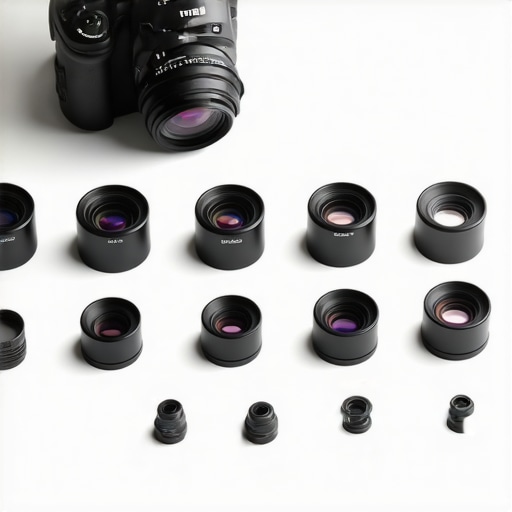
Ever found yourself tangled in a mess of incompatible lenses at the worst moment? I remember a shoot where I brought what I thought was the perfect lens setup, only to realize mid-filming that my lens wouldn’t fit my camera body. Frustration crept in, and I missed a crucial shot. That lightbulb moment made me realize how vital it is to understand lens mounts and adapters—yet I had no clue where to start. If you’ve ever felt overwhelmed just trying to figure out which lens mount suits your gear, you’re not alone. The good news is, with a bit of guidance, you can turn this chaos into confidence.
Today, I’m going to walk you through how to choose the best lens mounts and adapters for your filmmaking setup. We’ll cover the essentials—what to look for, common pitfalls to avoid, and practical tips to make your gear more versatile and reliable. Whether you’re upgrading your kit or just starting out, understanding these fundamentals will save you time, money, and a lot of headaches. Ready to transform your approach and make smarter gear decisions? Let’s dive in.
Why Picking the Right Lens Mounts Matters More Than You Think
It’s easy to get caught up in lenses’ specs—aperture, focal length, image stabilization. But if your lens doesn’t physically fit your camera or if you’re using incompatible mounts, all those features become irrelevant. A mismatched lens mount or poor-quality adapter can lead to focus issues, image degradation, or even hardware damage. Early in my career, I made the mistake of buying a lens without checking its mount compatibility—costly mistake. I learned the hard way that understanding your camera’s mount type and how adapters work is the foundation of a reliable, flexible setup. For a deep dive into how to optimize your gear, check out this guide on lens mount and adapter optimization.
Is Investing in High-Quality Adapters Really Worth It?
One common skepticism I hear is whether high-end adapters are worth the extra bucks. Honestly, I used to think I could save money by opting for cheap adapters. But I quickly discovered that cheap adapters often introduce issues—like lens tilt, loose fittings, or even damaging your gear. Investing in quality adapters not only preserves your equipment but ensures seamless performance during critical shots. Trust me, the right adapter can unlock new creative possibilities—think of it as a bridge that lets you use a wider range of lenses without costly upgrades. For more insights, I recommend reading about adapter tips for cine users.
Prioritize Compatibility from the Start
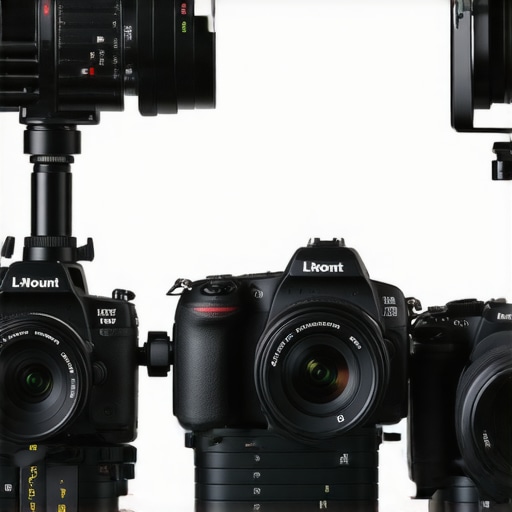
Imagine trying to fit a square peg into a round hole—this is what it feels like when you mismatch a lens mount with your camera body. To avoid this hassle, always begin by identifying your camera’s native mount type. Whether it’s Canon RF, Sony E-mount, or Micro Four Thirds, knowing your camera’s standard is the foundation for selecting compatible lenses and adapters. When I was preparing for a shoot in a remote location, I checked my camera’s mount first, then verified the lenses I already owned. It saved me hours of frustration. To get detailed insights, visit this guide on mount compatibility.
Choose Quality Adapters for Reliability
Think of adapters as bridges between different islands—if they’re shaky, your entire journey becomes risky. I once used a cheap adapter to connect a vintage lens to my modern camera, and halfway through a shot, the lens slipped, causing a focus loss. That’s when I invested in high-quality adapters from reputable brands. They ensure snug fits, maintain alignment, and protect your gear. When selecting adapters, check for features like electronic contacts for autofocus and aperture control. For the best options, explore top-rated cine lens adapters.
Match Mounts for Versatility and Future-Proofing
Switching mounts might seem daunting, but it’s key to expanding your creative toolkit. For example, I used a Metabones adapter to attach a Canon lens to my Sony camera, dramatically increasing my lens options without upgrading my entire kit. When choosing an adapter, consider the mount types you’ll need in the future. Are you planning to experiment with vintage lenses? Or do you want to upgrade your camera later? Selecting adaptable mounts now can save money and time later. For comprehensive strategies, see this article on unlocking adapter opportunities.
Test Before the Critical Shoot
Never assume an adapter or mount will work perfectly without testing. I once spent hours on a shoot only to discover that my lens didn’t focus properly because of a slight misalignment. To prevent this, always run quick tests with your gear before heading to the set. Check focus, aperture control, and stabilization. This simple step can spotlight issues early, saving you from last-minute surprises. If you need help choosing the right mounts or adapters, consult this ultimate guide.
Many filmmakers believe that choosing the right lens mount or adapter is straightforward, but in reality, there are nuanced pitfalls that can compromise image quality or even damage your gear. One of the most pervasive myths is that all adapters are created equal; in fact, cheap or poorly manufactured adapters can introduce focus shifts, vignetting, or even mechanical stress on your camera and lenses. This not only affects your image but can lead to costly repairs over time. As I learned from firsthand experience, investing in high-quality adapters from reputable brands is essential for maintaining the integrity of your equipment and ensuring your shots stay sharp and stable. To explore the best options, check out top-rated cine lens adapters.
Should I upgrade my lens mount for future-proofing?
Absolutely. Many filmmakers overlook the importance of planning for future gear upgrades. Opting for versatile mounts like Sony E-mount or Canon RF now can save you money down the line, especially when combined with adaptable adapters. This approach allows you to experiment with vintage lenses or upgrade your camera body without needing a complete overhaul of your mount system. According to industry experts, strategic mount selection enhances your flexibility and preserves your investment—making your setup adaptable to evolving technology and creative needs. For detailed strategies, see this comprehensive guide.
Another common mistake is neglecting to test your gear thoroughly before critical shoots. Even the most expensive adapters can have subtle flaws that only show up during actual filming. Always run quick tests focusing on focus accuracy, aperture control, and stabilization. This simple step can save you from embarrassing or costly surprises on set. Remember, preparation is key—so don’t skip this vital step. If you want to deepen your understanding of optimizing your lens setup, visit this detailed article.
Finally, avoid the trap of using incompatible mounts without proper adaptation. Mismatched mounts can cause focus inaccuracies or even damage your lenses. Always verify your camera’s native mount type and choose adapters that support electronic contacts if you need autofocus or aperture control. This ensures seamless integration and maintains your workflow without unnecessary delays. For expert tips, browse this resource.
Have you ever fallen into this trap? Let me know in the comments.
Maintaining your filmmaking tools is often overlooked, but it’s crucial for ensuring long-term performance and saving costs over time. Regular upkeep of lenses, camera bodies, and accessories not only prolongs their lifespan but also guarantees you get consistently sharp and reliable shots. In my experience, establishing a routine maintenance schedule has been a game-changer. It’s like servicing a car — neglect it, and you risk breakdowns when you need your gear the most.
First and foremost, always clean your lenses and sensors carefully. I swear by a combination of a high-quality blower and microfiber cloths. Using compressed air helps remove dust from the lens elements without scratching them, while microfiber cloths are gentle yet effective at wiping away smudges. For stubborn fingerprints, I use a lens cleaning solution specifically designed for optical equipment. Never use household cleaners or abrasive materials, as they can damage coatings or glass.
Next, consider investing in tools that make maintenance easier and more effective. A lens cleaning kit with precision brushes, cleaning solutions, and microfiber cloths is a must-have. For camera bodies, I rely on compressed air and soft brushes to remove dust from vents and ports. Keeping your gear in protective cases, especially during transport or long storage periods, minimizes exposure to dust and humidity.
Software updates are another crucial aspect. Manufacturers regularly release firmware updates that fix bugs, improve stability, and sometimes add new features. I recommend setting reminders to check for updates at least quarterly. This small habit ensures your camera and accessories are always operating with the latest optimizations, reducing the risk of unexpected glitches during shoots. For detailed instructions, visit the manufacturer’s support pages or contact support if you encounter issues.
Long-term storage is often underestimated. Moisture and temperature fluctuations can cause corrosion or mold. Use silica gel packs in your gear cases to absorb humidity and store your equipment in a cool, dry environment. Regularly inspecting your gear for signs of wear, such as loose screws or misaligned mounts, allows you to catch problems early before they escalate.
Looking ahead, I predict that automation and smart maintenance tools will become more prevalent. Imagine sensors embedded in your gear that alert you when lubricants need changing or when calibration is off — that’s where the industry is heading. Until then, adopting a disciplined maintenance routine is your best bet for lasting gear performance.
How do I maintain my filmmaking tools over time?
Start by creating a maintenance schedule that includes cleaning, software updates, and inspections. Use specialized tools like microfiber cloths, lens cleaning kits, and compressed air to keep optics and electronics spotless. Store your gear properly with silica gel packs and in climate-controlled environments. Regularly check for firmware updates and manufacturer recalls to ensure everything runs smoothly. Remember, a little effort now saves money and headaches later. For more tips on optimizing your cinematic setup, explore this guide on lens adapters and keep your gear in peak condition.
The Costly Lessons That Changed My Approach to Lens Compatibility
One of the toughest lessons I learned was during a high-stakes shoot when I relied on an inexpensive adapter that caused focus issues and almost ruined my shot. That experience taught me the importance of investing in quality adapters that ensure perfect alignment and electronic communication. I discovered that cheap adapters often cut corners, leading to focus shifts or even gear damage, which can be devastating during critical moments. Now, I always prioritize reputable brands and test every piece of gear before filming to avoid surprises.
Tools and Resources That Actually Elevate Your Filmmaking Game
My go-to tools for reliable lens setup include the latest prime lens innovations for their sharpness and versatility, a high-quality cine lens adapter for expanding my lens options, and the ultimate guide to cine lenses that keeps me updated on best practices. These resources help me stay ahead, ensuring I deliver professional-quality footage every time.
Your Next Step Toward Cinematic Confidence
Don’t let compatibility issues or subpar gear hold back your creative vision. Embrace the importance of choosing the right mounts and adapters, and develop a routine for testing your setup before each shoot. Remember, mastery of your tools is just as vital as your storytelling skills. Keep experimenting, stay curious, and push your filmmaking boundaries. The future of cinematic excellence is within your reach—start today and transform your projects into captivating stories that resonate.
Have you ever faced a challenge with lens compatibility? Share your experiences below—I’d love to hear your story!
![Fix 256K Ghosting: 3 Prime Lenses With Nano-Shields [2026]](https://lenses.cinegearguide.com/wp-content/uploads/2026/04/Fix-256K-Ghosting-3-Prime-Lenses-With-Nano-Shields-2026.jpeg)
Leave a Reply