



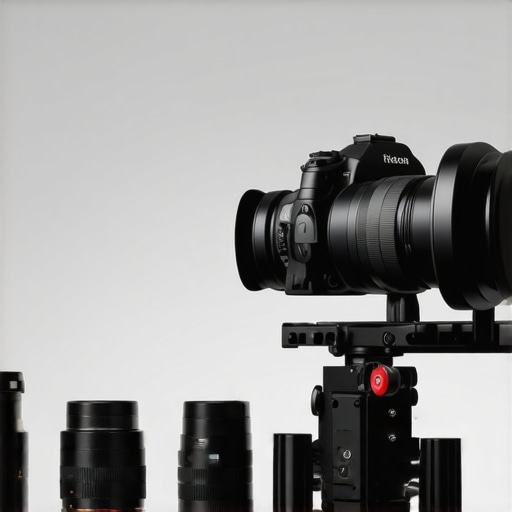
Ever spent hours fiddling with your camera, only to realize later that your lens choice was the bottleneck in capturing that perfect shot? I’ve been there. I vividly remember a shoot where I thought I was ready, only to find that my lenses didn’t quite match the scene’s needs. That lightbulb moment hit hard — I needed to understand how to pick the right prime and zoom lenses for cinematic storytelling.
Why Picking the Right Lenses Can Make or Break Your Film
Choosing lenses isn’t just about zoom or sharpness; it’s about the story you want to tell. Your lens choice influences the mood, focus, and emotional impact of every frame. In my early days, I made the mistake of assuming that more expensive lenses automatically meant better results. Spoiler: that’s not always true. The real secret lies in matching the lens to your scene and your vision. And trust me, understanding your options can save you countless hours and headaches on set. Want to avoid my rookie mistakes? Today, I’ll walk you through how to make informed decisions that elevate your cinematic projects.
Is It Worth Investing in Prime or Zoom Lenses? The Big Question
Many filmmakers ask, “Should I focus on prime lenses or go for versatile zooms?” My early assumption was that zooms were the lazy option — the easy way out. But that led to compromises in image quality and creative control. I learned that both have their place, and the key is knowing when and why to use each. For example, prime lenses often offer superior sharpness and wider apertures, perfect for cinematic depth of field. Zoom lenses, on the other hand, are invaluable for dynamic shoots where flexibility is critical. If you’re unsure which to prioritize, check out this guide to choosing the best zoom lens.
Early on, I also made the mistake of ignoring lens compatibility, which cost me precious time and money. It’s crucial to understand how different lens mounts and adapters work to maximize your gear’s potential. For a comprehensive understanding, I recommend exploring this guide on lens mount compatibility.
So, if you’ve ever felt overwhelmed trying to select the right lenses, you’re not alone. The good news is, with a little guidance, you can make smarter choices that serve your storytelling goals. Ready to dive into how to evaluate your options and pick the perfect lenses? Let’s get started!
Pick Your Lens Strategy
Start by defining the story you want to tell. For scenes requiring intense focus and depth, prime lenses are your best friends—they offer sharper images and wider apertures. For dynamic shoots where flexibility matters, zoom lenses shine. I once faced a shoot where I needed to switch focal lengths rapidly; using a zoom saved me hours of swapping lenses and kept my shots seamless. Check out this guide to learn more about selecting the right zoom for your project.
Assess Your Scene Needs
Before choosing, analyze the scene. Will you need a wide angle to capture landscapes or tight shots for intimacy? Will you be moving around a lot or static? This assessment helps decide whether a prime or zoom fits best. I remember a music video where I used a 50mm prime lens for intimate close-ups, but switched to a 24-70mm zoom for versatile wide-to-medium shots — the combination elevated the storytelling.
Match Lenses to Camera Mounts
Compatibility is crucial. Different cameras have different mounts—EF, PL, MFT, and more. Using the wrong mount or ignoring adapters can limit your options. I once wasted hours because my lens wasn’t compatible with my camera body, but once I explored lens mount compatibility, I found affordable adapters that unlocked my gear’s potential.
Test and Compare Your Options
Don’t buy blindly. Rent or borrow lenses to test how they perform in your typical shooting environment. Pay attention to sharpness, bokeh, and how well the lens handles movement. I once rented a cine prime set, ran some tests, and discovered that a particular 85mm lens provided stunning background blur that I couldn’t replicate with my existing gear—making that shot unforgettable.
Evaluate Aperture and Focus
Wider apertures (like f/1.4 or f/2) give cinematic depth of field and better low-light performance. Prime lenses often excel here, but some zooms now offer comparable apertures. Practice focusing accurately—smooth focus pulls are essential for professional-looking footage. I used a follow focus system with a zoom lens, practicing focus pulls that added emotional depth to my scene.
Consider Future Compatibility
Think ahead. Will your lens system integrate with future gear upgrades? Explore prime lens mounts that align with your growth plan. Also, look into adapters that broaden your options—like using vintage lenses with modern cameras through lens adapters.
Make Informed Purchases
Once you’ve tested and assessed your needs, invest wisely. Prioritize lenses that serve your primary shooting style and budget. Remember, the best lens is the one that helps tell your story effectively. For detailed insights, I recommend exploring this comprehensive guide to cine lenses.
Choosing the right prime or zoom lens isn’t about having the most expensive gear; it’s about matching your tools to your creative goals. Take your time, test thoroughly, and let your storytelling guide your choices.
Many filmmakers fall into traps when choosing or using cine lenses, often fueled by misconceptions that can hinder their creative process. Let’s bust some myths and reveal the hidden nuances that can elevate your filmmaking skills.
Why More Expensive Means Better
It’s a widespread belief that investing in high-end cine lenses guarantees cinematic perfection. In reality, while premium lenses do offer superior sharpness and build quality, they are not a magic bullet for storytelling. Sometimes, a well-chosen mid-range lens can deliver the aesthetic you desire without the hefty price tag. The key is understanding the specific characteristics of each lens and how they complement your scene. For example, a lens with a unique bokeh or color rendition might be more beneficial than simply opting for the most expensive option. Check out this guide for insights on prime lens innovations that can surprise you.
Myth: Zoom Lenses Sacrifice Quality
Many think that zoom lenses are inherently inferior to primes. This is a misconception. Modern zoom lenses designed for cinema offer incredible versatility and can match prime lenses in sharpness and contrast. The secret lies in choosing the right zoom lens for your project, especially those with high-quality glass and advanced coatings. For dynamic shoots where flexibility is essential, a good zoom can be your best friend. To find the best options, explore this comprehensive guide.
Advanced Mistake: Overlooking Lens Compatibility and Mounts
One of the most overlooked nuances is lens compatibility. Using incompatible mounts or ignoring the benefits of adapters can limit your creative options and cause technical issues. For instance, adapting vintage lenses to modern digital cameras can unlock unique looks that are impossible with modern glass alone. However, not all adapters are created equal—poor quality adapters can introduce issues like focus shift or image degradation. To avoid these pitfalls, learn how to optimize your setup with this detailed resource.
How Do You Balance Cost, Quality, and Creative Needs?
For advanced filmmakers, choosing the right lenses involves balancing budget constraints with artistic goals. Investing in versatile lenses like those highlighted in top cine prime and zoom lenses can be a smart move, but only if you understand their specific strengths. Remember, the goal is to enhance your storytelling, not just to fill your gear bag with expensive glass. Experiment with rentals and test different options to see what truly elevates your work. And if you’re considering future upgrades, make sure your lens choices are compatible with your evolving setup, which you can explore more through this guide.
Have you ever fallen into this trap? Let me know in the comments. Remember, mastering the nuances of cine lenses can make a significant difference in your filmmaking journey.
Maintaining your cine lenses and camera equipment is essential for ensuring consistent image quality and protecting your investment over time. Proper care not only extends the lifespan of your gear but also saves you money and headaches down the line. From routine cleaning to advanced maintenance, knowing the right tools and methods is crucial for any filmmaker serious about their craft.
Invest in the Right Cleaning Tools
For me, the first step in keeping my lenses and camera gear working smoothly is using quality cleaning supplies. I always keep a set of dedicated microfiber cloths, lens cleaning solutions, and blower brushes. These tools help remove dust and smudges without scratching surfaces. I avoid using household items like tissues or paper towels, which can leave lint or cause abrasions. Regularly cleaning your lenses with proper tools preserves optical clarity and prevents build-up that can affect image quality.
Master the Art of Gentle Handling
Physically handling your equipment carefully is as important as cleaning. Always store lenses and camera bodies in padded cases, and avoid unnecessary disassembly. When changing lenses, handle them by the barrel—never the glass element—to prevent smudges or damage. Using lens caps and filters can also offer added protection from scratches and dirt. These habits might seem simple, but they can make a significant difference in the long-term health of your gear.
Schedule Regular Maintenance and Calibration
Beyond daily care, professional maintenance is vital. Every couple of years, I send my lenses and camera bodies to authorized service centers for calibration and inspection. This ensures autofocus accuracy, smooth zooming, and proper focus mechanics. For example, lens calibration can drift over time, especially with frequent use or temperature changes. Routine servicing keeps your equipment performing at its best, reducing the risk of costly repairs later. For detailed guidance, check out this comprehensive guide.
Use Protective Gear and Environment Control
Protecting your gear from environmental factors is equally important. I always keep my equipment in climate-controlled environments and avoid extreme temperatures or humidity, which can cause fogging or corrosion. Using silica gel packs in your cases can absorb excess moisture. Additionally, employing UV filters and lens caps shields your glass from scratches and dust during shoots. Investing in quality protective gear ensures your gear stays pristine and ready for action whenever you need it.
Stay Up-to-Date with Technological Trends
The future of film gear maintenance is moving toward smart solutions. Emerging technologies like sensor-based diagnostics and remote calibration are on the horizon, promising even more precise upkeep. For instance, some camera manufacturers now offer firmware updates that improve autofocus and image stabilization, which can be part of your regular maintenance routine. Staying informed about these innovations allows you to adopt proactive strategies, ensuring your gear remains state-of-the-art and reliable.
How do I maintain my cine lenses and camera equipment over time?
Developing a consistent maintenance routine is key. Regular cleaning with proper tools, careful handling, scheduled professional servicing, and environmental protection form the foundation. I recommend setting aside time every few months for a thorough check-up, especially if you’re working on demanding projects. Plus, always document your maintenance history—it helps identify recurring issues and plan upgrades. Why not try implementing a schedule for routine calibration and cleaning today? It’s a small step that can significantly enhance your filmmaking results.
What I Wish I Knew When Starting with Cine Lenses
- My biggest breakthrough was realizing that the right lens choice can dramatically alter the emotional tone of a scene. It’s not just about technical specs; it’s about how the lens serves your storytelling.
- Learning the nuances of lens mounts and compatibility saved me from costly mistakes. Exploring adapters opened up a world of vintage and specialty lenses that added unique character to my films.
- Test, compare, and rent before buying. Seeing how lenses perform in real-world scenarios gave me confidence and helped me select gear that truly elevates my work.
- Understanding that expensive isn’t always better changed my approach. Sometimes mid-range lenses with specific qualities gave me the cinematic look I was after without breaking the bank.
- Mastering focus pulls and aperture control takes practice, but it’s essential for professional results. Investing in good follow focus gear made a noticeable difference in my shots.
Gear and Resources That Changed My Filmmaking
- Choosing the right zoom lens guide — helped me select versatile lenses for dynamic scenes.
- Lens mount compatibility tips — essential for expanding my lens options without compatibility issues.
- Complete cine lens guide — a comprehensive resource that sharpened my understanding of gear choices.
- Lens adapters insights — unlocked creative possibilities with vintage and specialty lenses.
Your Turn to Elevate Your Cinematic Vision
Choosing the right cine lenses is a journey of discovery and experimentation. With the right knowledge and tools, you can unlock new levels of storytelling and visual impact. Don’t wait—start testing, learning, and refining your lens choices today. Your cinematic future depends on it!
Have you ever struggled with selecting the perfect lens for a scene? Share your experience below and let’s learn together!
![Fix 256K Ghosting: 3 Prime Lenses With Nano-Shields [2026]](https://lenses.cinegearguide.com/wp-content/uploads/2026/04/Fix-256K-Ghosting-3-Prime-Lenses-With-Nano-Shields-2026.jpeg)
Leave a Reply