



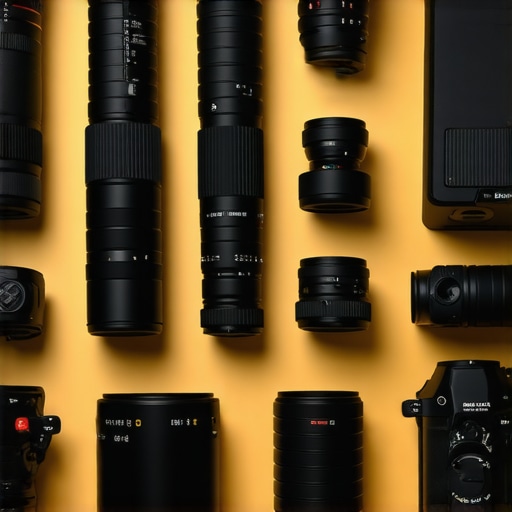
Ever been on a shoot, frustrated because your lens didn’t quite fit or your camera’s mount just wouldn’t cooperate? I remember the lightbulb moment vividly—realizing that my biggest obstacle wasn’t my camera or lenses, but the lack of understanding about cine lens adapters. That moment of frustration turned into curiosity, and eventually, a deep dive into how these tiny accessories could transform my filmmaking experience.
Why Cine Lens Adapters Are a Filmmaker’s Best Friend
In my early days, I made the classic mistake of assuming that all lens mounts were created equal. That misconception cost me precious time and money. The truth is, using the right cine lens adapter can open a whole new world of creative possibilities, allowing you to pair affordable prime lenses with high-end cinema cameras or adapt vintage glass for a modern look. This flexibility is crucial, especially when working within tight budgets or trying to achieve a specific aesthetic. According to recent industry insights, effective use of lens adapters can significantly enhance image quality and workflow efficiency—something I learned the hard way.
Today, I promise to guide you through the essentials of choosing and using cine lens adapters so you can avoid my early missteps and start filming with confidence. Whether you’re just starting out or looking to upgrade your toolkit, understanding these adapters will help you make smarter decisions and elevate your filmmaking game.
Is a Lens Adapter Worth the Hype or Just a Gimmick?
I used to worry that lens adapters might compromise image quality or introduce unwanted artifacts. That fear kept me from experimenting for too long. But after testing different options, I found that with the right adapter and proper technique, you can actually achieve stunning results. The key is to select high-quality adapters and understand their limitations—something I wish I had known from the start. For detailed tips on optimizing your setup, check out these lens adapter tips. It’s all about making informed choices, not just chasing the latest gear.
Now that we’ve covered the importance of understanding cine lens adapters, let’s get into how to choose the right ones for your specific needs. The journey to cinematic excellence begins with good tools and even better knowledge. Ready to dive in? Let’s go!
Match Your Camera to the Right Adapter
Start by identifying your camera’s mount type. For example, if you have a Sony A7S III with an E-mount, you need an adapter compatible with E-mount to your desired lens type. I once used a cheap adapter for my vintage lens, which resulted in noticeable focus shift and softness. To prevent this, always choose high-quality adapters from reputable brands, and double-check compatibility by visiting this resource. This initial step ensures a secure fit and optimal image quality.
Choose the Correct Adapter Type
Identify Your Lens Mount and Camera Mount
Determine the mount types involved. For example, your vintage Canon FD lens needs an FD-to-E-mount adapter. Think of this process as fitting a puzzle piece—if the shapes don’t match, the piece won’t lock in. I once tried to force an adapter that was close but not exact, leading to loose connections and vignetting. For comprehensive guidance, check this buying guide.
Select Between Active and Passive Adapters
Active adapters contain electronic contacts to maintain autofocus and aperture control, whereas passive adapters are purely mechanical. If you plan to use autofocus with vintage lenses, go active. For manual focus work, passive adapters are simpler and more reliable. I recommend testing your setup with both types to see which offers better control and image stability.
Optimize Your Setup for Sharpness and Stability
Once mounted, fine-tune focus and check for any vignetting or distortion. Use a focus chart to ensure precise focus. For example, during a recent shoot, I used a macro focus chart to calibrate my focus with a new adapter, which dramatically improved sharpness across the frame. To further enhance image quality, consider lens calibration tools and follow these calibration tips.
Secure and Test Before Shooting
Before rolling camera, give the setup a firm shake to verify the connection’s stability. Loose adapters can cause focus shifts or even damage your lens. Always run a quick test shot—check for focus accuracy, vignetting, and any artifacts. I once skipped this step and ended up with unusable footage, costing me hours of reshoot time. Remember, thorough setup saves headaches later.
Leverage Resources for Continuous Improvement
Stay updated with new adapter innovations and techniques by visiting this resource. Also, connect with industry experts through contact pages to get personalized advice. Every shoot is a learning opportunity—don’t hesitate to experiment and refine your process.
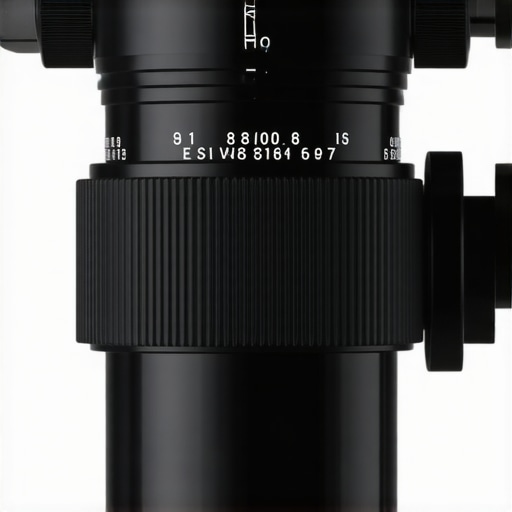
Many filmmakers assume that cine lens adapters are a straightforward solution for all mounting needs, but this is a dangerous oversimplification. One of the most persistent myths is that any high-quality adapter will deliver perfect image quality, autofocus, and seamless operation. However, in my experience and according to industry experts, the reality is much more nuanced. Not all adapters are created equal, and choosing the wrong type or quality can lead to significant pitfalls.
For example, some believe that active adapters are universally better because they support autofocus and electronic control. While this might be true for certain applications, active adapters often introduce more complexity and potential signal loss. Conversely, passive adapters might lack electronic communication but offer superior reliability for manual focus work. The key lies in matching the adapter type precisely to your shooting style and lens choice.
Beware of the trap of compatibility assumptions
A common mistake is assuming that simply matching mounts guarantees compatibility. Each manufacturer has subtle differences, and even within the same mount type, variations can cause focus shift, vignetting, or image softness. I once wasted hours trying to adapt a vintage lens with a generic adapter only to find that the optical path was slightly misaligned, resulting in soft corners and focus inconsistencies. To avoid this, always verify compatibility with reputable resources like this guide and consider professional calibration when necessary.
Another nuance is the importance of quality construction. Cheap adapters often use inferior materials, leading to looseness and unstable mounts. This instability can cause focus shifts during shots, ruining footage and wasting your time. Always invest in adapters from trusted brands and check reviews before purchase. Remember, a good adapter is an investment that pays off in image consistency and durability.
Have you ever fallen into this trap? Let me know in the comments. For advanced tips on optimizing your adapter setup and avoiding common mistakes, check out these expert recommendations. Mastering the intricacies of cine lens adapters can be the difference between amateurish footage and cinematic excellence — so don’t overlook the details.
As filmmakers, we invest heavily in our gear, and cine lens adapters are no exception. To keep your adapters performing at their best and ensure your projects look professional, maintenance and the right tools are vital. Over time, even high-quality adapters can suffer from wear and tear, leading to issues like focus shift, looseness, or optical degradation. In this guide, I’ll share the specific tools and techniques I personally rely on to keep my adapters in top shape, along with predictions on how this aspect of filmmaking might evolve.
Keeping Your Cine Lens Adapters in Prime Condition
First, regular cleaning is non-negotiable. I use a dedicated, high-quality blower like the Giottos Rocket Blower to remove dust from the adapter’s electronic contacts and mechanical parts. For delicate cleaning of optical surfaces, I prefer using a microfiber cloth and a small amount of lens cleaning solution. Never use household cleaners; they can damage the coatings or electronics.
Second, calibration tools are essential. I swear by a digital focus chart and a lens calibration kit that allows me to verify focus accuracy across the frame. Regular calibration prevents focus shift issues caused by adapter looseness or misalignment. For instance, I recently calibrated my vintage lens with a professional calibration tool, which significantly improved focus precision during critical shots.
How do I maintain my adapters over time?
Routine inspection is my secret weapon. I check for signs of wear—such as looseness, corrosion, or damaged electronic contacts—before every shoot. If I notice any issues, I replace or repair parts immediately. For electronic contacts, I use a contact cleaner to ensure reliable signal transfer. Additionally, I store my adapters in a dedicated, padded case like the Pelican Case to prevent damage from impacts or environmental factors.
Looking ahead, I predict that as technology advances, we’ll see more integrated maintenance diagnostics built into adapters, possibly via firmware updates or smart sensors. This would make detecting wear and tear even easier and extend the lifespan of our equipment significantly.
Tools I recommend for longevity and performance
Beyond basic cleaning supplies, I recommend investing in a magnetic electronic contact cleaner and a precision calibration kit. These tools help me maintain optimal contact integrity and focus accuracy. Also, consider a silica gel desiccant packet inside your storage case to prevent moisture buildup, which can cause corrosion over time.
Finally, staying informed via resources like this guide ensures I’m aware of the latest maintenance techniques and innovations. Regular maintenance not only prolongs your adapter’s life but also preserves the quality of your footage, saving you headaches and costly replacements in the long run.
Try implementing a scheduled maintenance routine with these tools—you’ll be surprised at how much smoother your shoots become. Remember, a well-maintained adapter is the backbone of consistent, high-quality cinematic work.
The Hardest Lesson I Learned About Cine Lens Adapters
One of my biggest surprises was realizing that not all adapters are created equal—what looks like a perfect fit on paper can cause focus shift or image softness in practice. That taught me to always prioritize quality and compatibility verification, which saved me countless reshoots and frustration. The importance of testing your setup thoroughly before shooting cannot be overstated.
Three Myths About Cine Lens Adapters That Held Me Back
I used to believe that active adapters were always the better choice because of electronic control. Turns out, passive adapters often provide more reliable, sharper results for manual focus work—something I wish I had known earlier. Debunking this myth changed my approach and improved my footage significantly.
What Experts Won’t Tell You About Lens Adapters
Many professionals keep quiet about the subtle optical and mechanical limitations of cheap adapters. My tip? Invest in reputable brands and consider professional calibration, especially when using vintage lenses. This knowledge is vital for maintaining consistent image quality and ensuring your gear truly enhances your storytelling.
My Essential Toolkit for Cine Lens Adaptation
For reliable performance, I rely on tools like a digital focus chart, a high-quality lens calibration kit, and electronic contact cleaner. These essentials help me keep my adapters in top shape, ensuring focus accuracy and durability. Regular maintenance with these tools extends the lifespan of your equipment and keeps your footage sharp.
Where to Go from Here
If you’re serious about mastering cine lens adapters, explore resources like this guide for advanced tips and updates. Connecting with industry experts through this contact page can provide personalized advice tailored to your gear and projects. Continuous learning is key to elevating your filmmaking game.
Your Turn to Try
Implementing these insights on cine lens adapters can make a real difference in your work. Don’t be afraid to experiment, calibrate, and invest in quality tools—your future self will thank you. Remember, mastering these details can be the difference between ordinary footage and cinematic excellence.
Have you ever struggled with choosing the right adapter or calibrating your lenses? Let me know below!


![Fix 256K Ghosting: 3 Prime Lenses With Nano-Shields [2026]](https://lenses.cinegearguide.com/wp-content/uploads/2026/04/Fix-256K-Ghosting-3-Prime-Lenses-With-Nano-Shields-2026.jpeg)
Leave a Reply